📘 Book Overview:
***
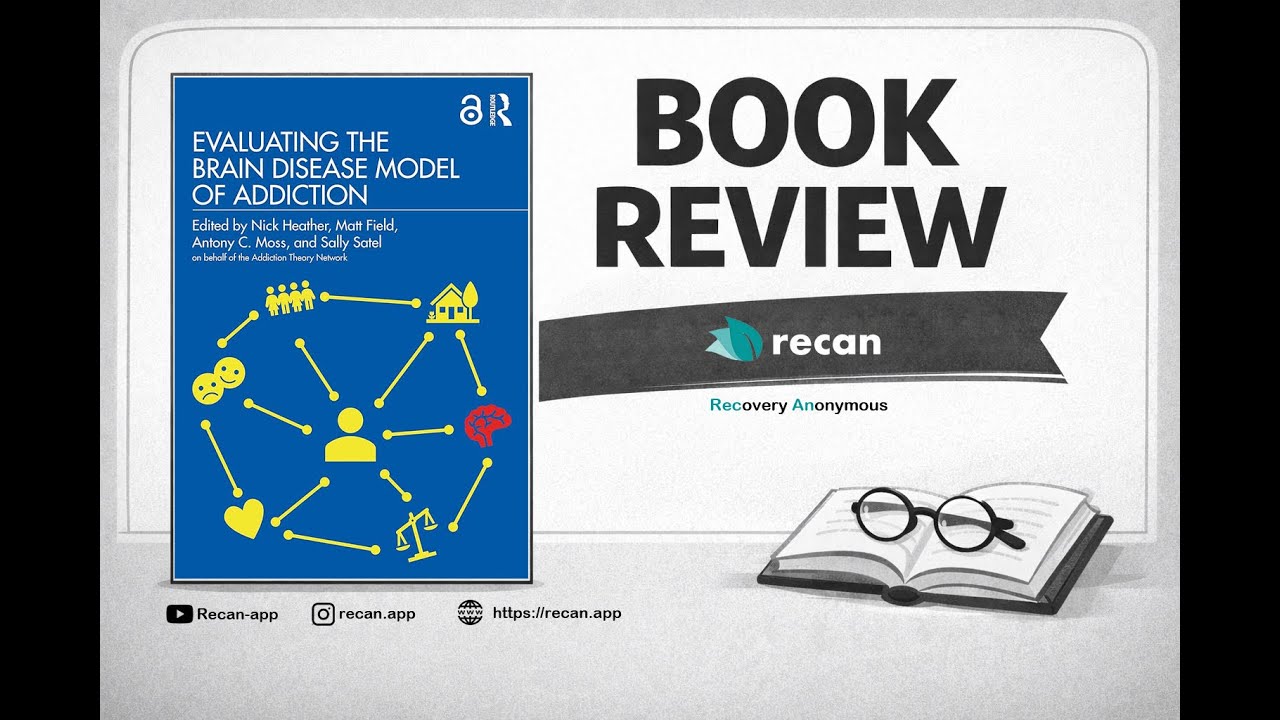
Evaluating the Brain Disease Model of Addiction
Edited By: Nick Heather, Matt Field, Antony Moss, Sally Satel
***
Is addiction really a brain disease — or is that idea holding us back from better healing?
In this video, I explore Evaluating the Brain Disease Model of Addiction, a landmark academic book edited by Nick Heather, Matt Field, Antony C. Moss, and Sally Satel. This volume brings together neuroscientists, psychologists, philosophers, sociologists, clinicians, and policy experts to examine one of the most important questions in addiction science:
Should addiction be understood as a chronic, relapsing brain disease — or as something more complex?
For decades, the Brain Disease Model of Addiction (BDMA) has dominated medicine, policy, and public understanding — defining addiction as a disorder caused by long-lasting changes in the brain that lead to compulsive drug use and relapse. The U.S. National Institute on Drug Abuse (NIDA) and major medical organizations still promote this framework.
But this book shows that the science is far more contested than most people realize.
It presents four perspectives:
For the brain disease model
Against it
Unsure about it
And Alternatives that go beyond both the disease and moral-failure models
You’ll hear voices from neuroscience, psychiatry, philosophy, sociology, and law debating:
Whether addiction really works like diseases such as Parkinson’s or Alzheimer’s
Whether calling addiction a “chronic, relapsing brain disease” helps or harms recovery
Whether the model reduces stigma — or actually increases hopelessness
And whether addiction is better understood as a disorder of learning, choice, trauma, stress, and social context
The book also includes powerful alternative perspectives — including views that addiction is shaped by trauma, social isolation, poverty, and meaning, not just brain chemistry — and argues that how we define addiction directly shapes treatment, policy, and how people see themselves.
If you’re interested in:
Addiction recovery
Trauma and mental health
Neuroscience vs lived experience
Or how language and diagnosis shape healing
this book offers one of the deepest, most honest explorations of addiction ever written.
🔖 Hashtags
#AddictionRecovery #TraumaHealing #Neuroscience
#MentalHealth #SubstanceUseDisorder
#Psychology #BookReview #Recovery #Healing

Информация по комментариям в разработке