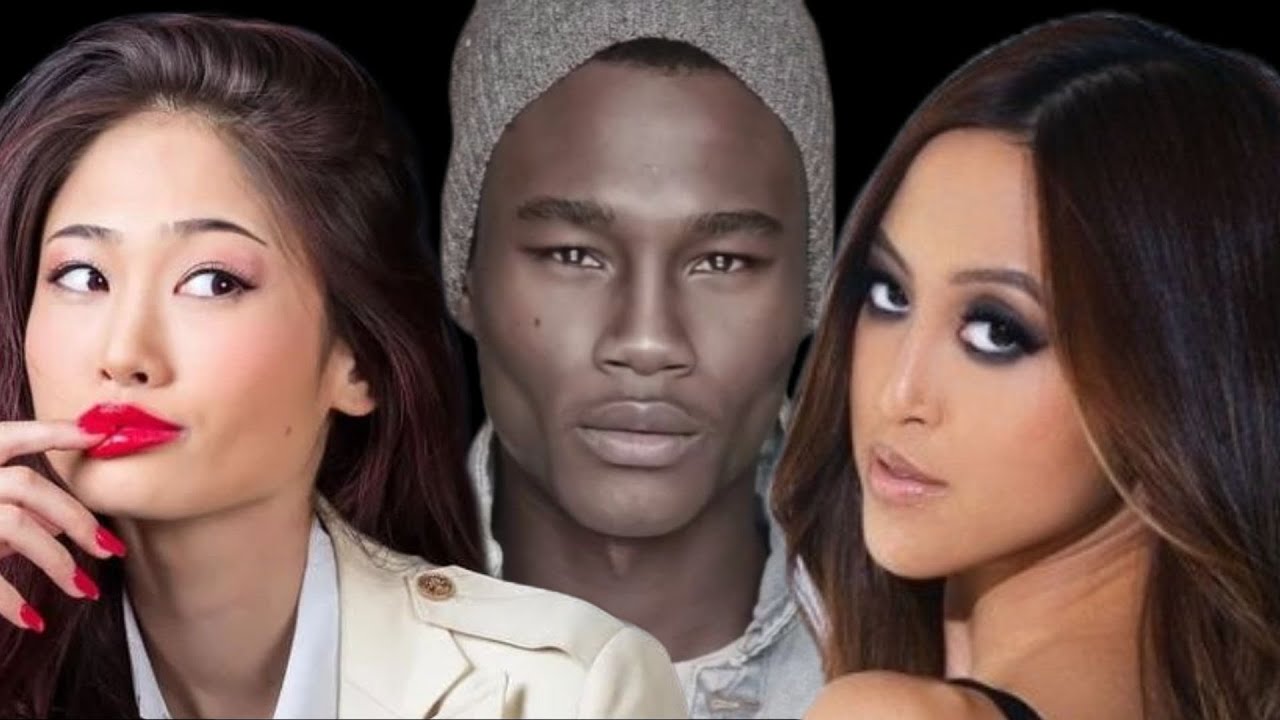
In a recent Instagram clip, @MinaPowPow (Alexia Anders lookalike), a beautiful Japanese woman, shared part of the reason(s) why she emigrated to Australia, suggesting that she faced criticism in Japan and Korea for being considered chubby and having a darker complexion.
I don't know if it was done in jest or she was milking sympathy. While it is unclear whether her intention was to entertain, provoke, or downright seek attention, her claims sparked diverse reactions from commenters.
One commenter expressed skepticism. He opined, "My guess is that you made that up and no one said that to you," implying that Mina may have fabricated the negative comments she received.
Another European man pointed out that Mina, in fact, does not possess the physical attributes she claimed to be criticized for, as she has a slim figure like a fashion model and a light skin tone.
Furthermore, an Asian man chimed in, stating that racism also exists in Australia, highlighting the pervasive issue of racial discrimination.
To crown it all, another European man said, "All Chinese-looking girls have one goal: white D."
This series of comments sheds light on the topic of Asia's obsession with "whiteness," particularly concerning individuals who are perceived as having a Chinese appearance, including Japanese, Koreans, Malaysians, Thais, Filipinos, Vietnamese and others.
The notion that fair skin and certain physical features are considered superior or more desirable is deeply ingrained in some Asian societies. This preference for "whiteness" perpetuates harmful stereotypes and contributes to self-esteem issues among those who do not conform to the established beauty standards.
The remarks made by commenters reflect the complexities surrounding race, beauty standards, and cultural perceptions. The skepticism expressed towards Mina's claims and the assertion that she does not fit the negative stereotypes demonstrate how even within discussions of discrimination, individual experiences can vary. The reference to racism in Australia serves as a reminder that these issues are not limited to a specific region or country.
Fact is, while many Asians, especially Koreans, are obsessed with 'whiteness,' a similar phenomenon can be observed among Africans and, by extension, the global black community, who often prioritize 'light skin.' Colourism in the African and Asian communities has everything to do with an underlying inferiority complex deeply rooted in historical power dynamics—European colonialism and cultural imperialism—and the adoption of European beauty standards.
Personally, I prefer stunning DARK-SKINNED women, as exemplified by individuals like Duckie Thot, Nandy Ndikumasabo, Amara La Negra, San Rechal Gandhi, and the likes. If, God-forbid, all dark-skinned women decided to bleach their skin, I would rather die or date a 'below-average-looking' Asian or European over a 'light-skinned,' black woman just to spite those who believe in bleaching beautiful melanin or put biracial women on a pedestal.
In my book, beauty is NOT in the eyes of the European colonizer, or is it conqueror?
In conclusion, Mina's Instagram clip and the subsequent comments provide a glimpse into the discourse surrounding Asia's preoccupation with 'whiteness' and the impact it has on individuals' self-perception and societal treatment. The range of opinions underlines the absence of absolute moral authority and suggests that each of us may harbor our own prejudices; we are all bigots in our own ridiculous ways.
Ultimately, to each their own.
#EurocentricBeautyStandards #ColorismInAsia #ColorismInAfrica #KoreanBeautyStandards #Whiteness

Информация по комментариям в разработке