#AlAqsaMosque #MasjidAlAqsa #Jerusalem #AlAqsa #Palestine #IsraelPalestine #IranIsrael #DonaldTrump #IranAttack #UAE #saudiarabia
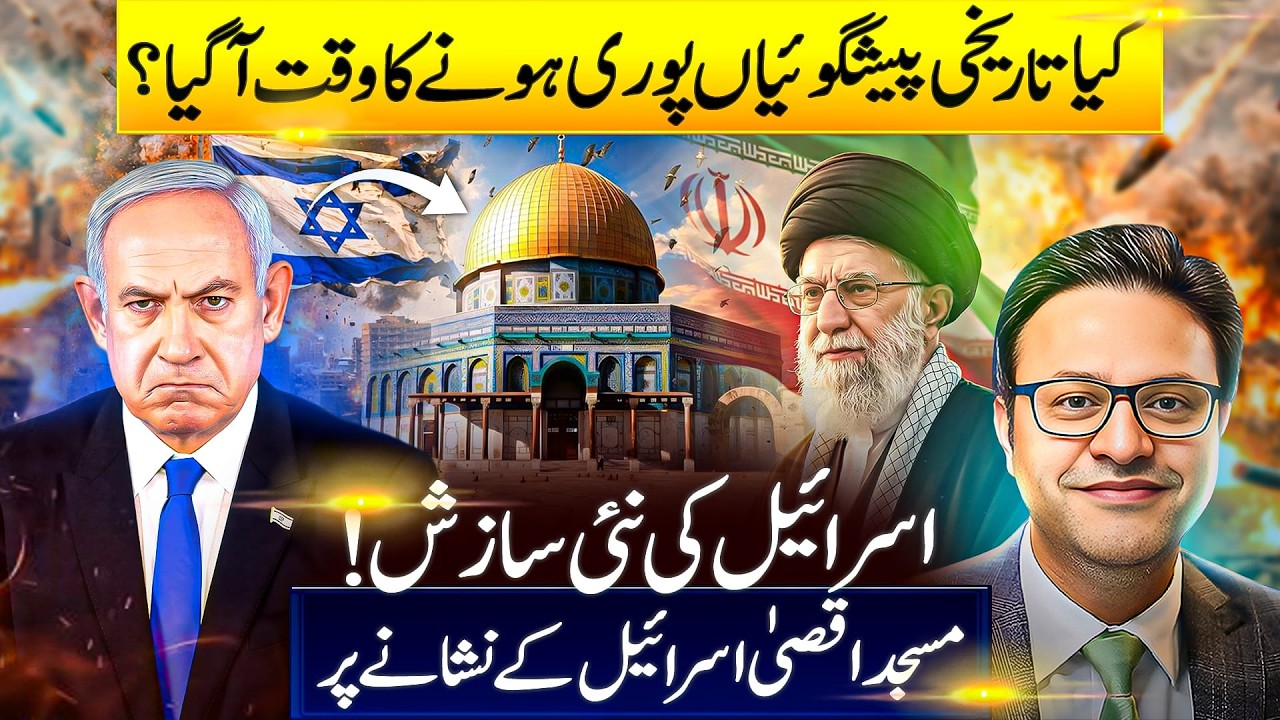
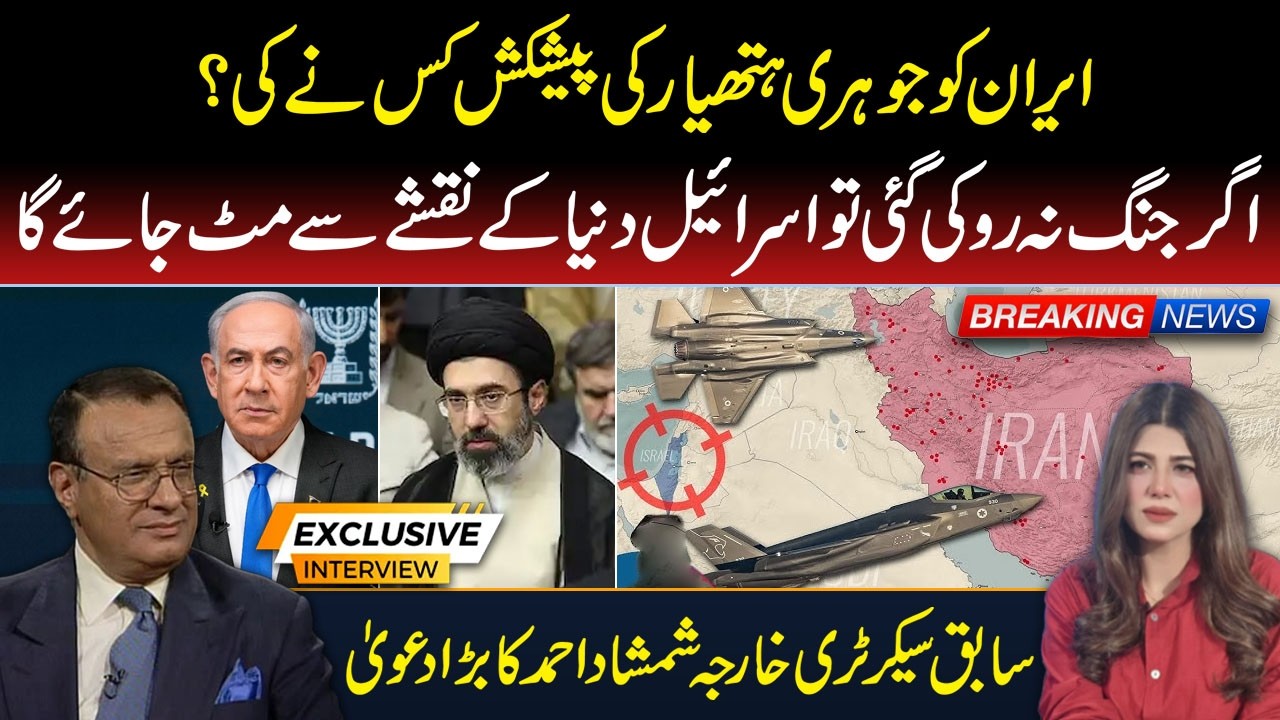
Al-Aqsa Mosque, one of the holiest sites in Islam, is once again at the center of intense geopolitical tension and alarming reports. According to claims discussed by American journalist Tucker Carlson, there are concerns that extremist elements in Israel could allegedly plan a false flag operation targeting Al‑Aqsa Mosque and then blame Iran. Such an event, if it were ever to occur, could dramatically escalate tensions across the Middle East and potentially drag multiple Muslim countries into a wider regional conflict.
Reports circulating in regional media suggest that the objective of such a controversial strategy would be twofold. First, the destruction or damage of the sacred mosque could provide justification for extremist groups who want to replace it with a Third Temple at the Temple Mount, a demand long associated with certain radical factions. Second, blaming Iran for such an attack could turn the Muslim world against Tehran and widen existing divisions within the region.
The issue becomes even more concerning in the context of recent mysterious missile incidents in the region. Missiles reportedly landed near key locations including oil facilities in Saudi Arabia, areas near Cyprus, and even near Turkey, where defense systems reportedly intercepted projectiles. In each case, accusations were made toward Iran, but Iranian officials denied involvement. Observers believe such incidents could potentially create confusion, miscalculations, and an environment where a broader conflict becomes more likely.
Iranian news agency Tasnim News Agency has also reported statements from intelligence officials warning about possible attempts to target the Al-Aqsa compound using drones or missiles to provoke international outrage against Iran. Meanwhile, Palestinian religious authorities, including the Imam of Al-Aqsa Sheikh Ikrima Sabri, have repeatedly condemned restrictions and actions around the mosque, stating that authorities often use security tensions to tighten control over the holy site.
Historical Importance of Al-Aqsa Mosque
The Al-Aqsa Mosque in Jerusalem is considered the third holiest site in Islam after Masjid al‑Haram and Al‑Masjid an‑Nabawi. The entire compound, known as Haram al-Sharif, covers around 144 acres and includes the Dome of the Rock along with several historic structures.
Islamic tradition holds that the mosque was established about forty years after the Kaaba and later rebuilt by Prophet Prophet Solomon. For the early Muslim community, Al-Aqsa also served as the first Qibla, the direction of prayer, before it was changed to Mecca.
The mosque is also deeply connected to the miraculous journey of Prophet Muhammad known as Isra and Mi'raj, where he traveled from Mecca to Jerusalem and then ascended to the heavens.
Historical Control of Jerusalem
In 638 CE, Jerusalem came under Muslim rule during the caliphate of Umar ibn al‑Khattab. Later, the mosque was expanded during the Umayyad era by Abd al‑Malik ibn Marwan and Al‑Walid I.
During the Crusades, Jerusalem was captured in 1099, and the mosque was converted into a church and military headquarters. It was later restored as a mosque in 1187 after the victory of Saladin.
Prophecies and End-Times Narratives
Islamic traditions also describe Jerusalem and the surrounding region as a central stage for major events before the end of times. Narrations mention the appearance of Imam Mahdi, the emergence of Dajjal, and the return of Jesus Christ, who according to traditions will defeat Dajjal near Lod in Palestine.













Информация по комментариям в разработке