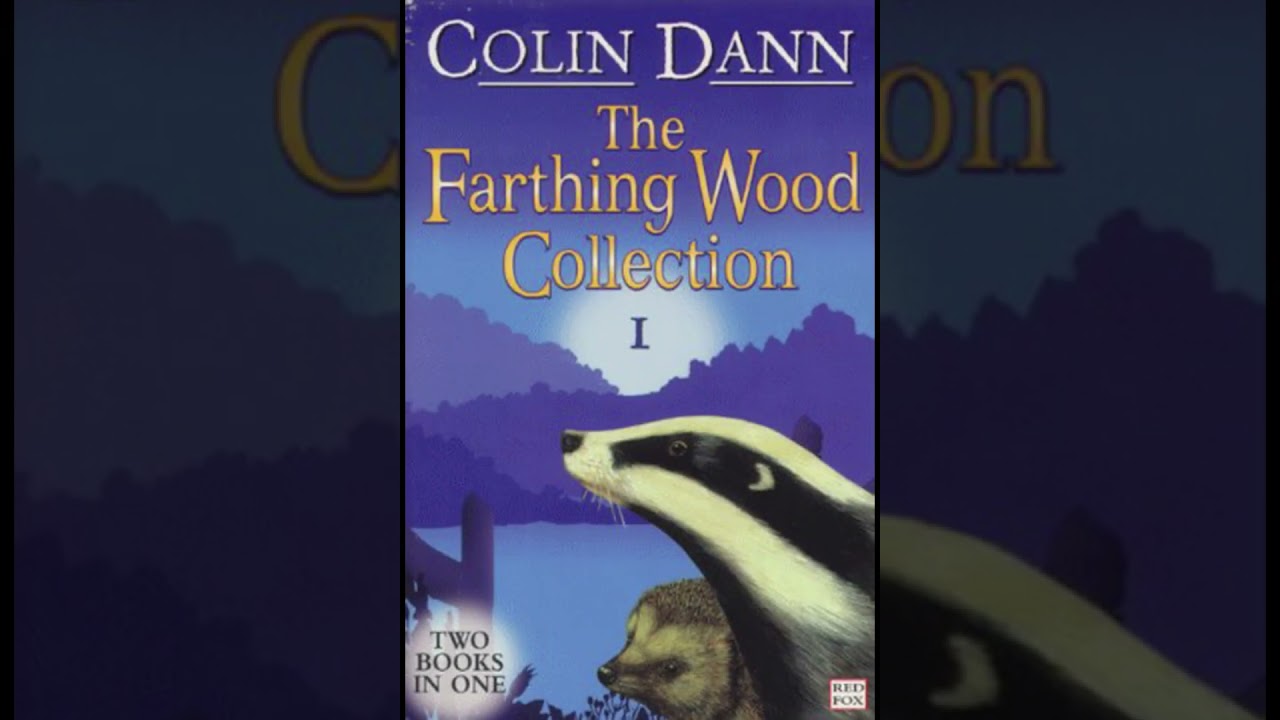
"The Animals of Farthing Wood" by Colin Dann is a poignant tale of survival, cooperation, and ecological awareness. The narrative follows a group of animals forced to leave their home in Farthing Wood due to human development and the destruction of their habitat. Their journey to the promised sanctuary of White Deer Park becomes a test of unity and resilience as they confront numerous external threats and internal conflicts. This allegorical story blends adventure with a commentary on environmental issues, showcasing how diverse individuals can overcome differences to achieve a shared goal.The central theme revolves around unity in the face of adversity. The animals, representing a variety of species with unique instincts and behaviors, band together under a solemn oath of mutual protection and solidarity. The oath, which forbids them from harming one another, creates a microcosm of an ideal society where cooperation transcends natural predatory relationships. This unity is repeatedly tested as the journey presents dangers like human traps, predators, and natural barriers, challenging the animals to uphold their agreement despite their instincts and frustrations.Leadership plays a significant role in the narrative, with Fox emerging as a natural leader. His quick thinking, courage, and ability to mediate disputes solidify his position as the group’s anchor. He is supported by Toad, whose knowledge of White Deer Park guides the group, and Badger, a wise elder whose counsel helps maintain morale. These characters embody the qualities necessary for effective leadership, demonstrating that wisdom, courage, and empathy are critical in overcoming collective challenges.The novel’s rich characterization is a highlight. Each animal is imbued with distinct traits and personalities, making them relatable and memorable. For instance, Fox’s resourcefulness contrasts with the stubborn pride of the pheasants or the naivety of the smaller creatures. These interactions add depth to the story, portraying the complexities of cooperation among diverse individuals. Moments of humor, tension, and tenderness emerge organically, enriching the narrative and drawing readers into the animals’ plight.Dann’s portrayal of the natural world is vivid and evocative, highlighting the beauty and fragility of ecosystems. The destruction of Farthing Wood is a direct critique of human encroachment on nature, serving as a sobering reminder of the consequences of deforestation and urbanization. By illustrating the animals’ loss and struggle, the novel fosters empathy for wildlife and underscores the importance of conservation. This environmental message resonates strongly, urging readers to consider their impact on the natural world and the creatures within it.The journey structure of the story also serves as a metaphor for perseverance and hope. Each obstacle the animals face reflects broader themes of survival and the pursuit of a better future. Their arrival at White Deer Park is a bittersweet victory; while they achieve safety, the losses along the way emphasize the cost of progress and the sacrifices inherent in change. This ending reinforces the story’s emotional weight, leaving readers with a sense of triumph tempered by reflection.The prose, though straightforward, is effective in conveying the story’s emotional and thematic depth. Dann’s descriptive style brings the journey to life, capturing the dangers and wonders of the natural world with clarity. Dialogue between the animals is infused with personality and often carries subtle humor or poignancy, making their struggles feel authentic. The balance of action and introspection keeps the narrative engaging, ensuring that the message never overshadows the story’s entertainment value.In "The Animals of Farthing Wood," Colin Dann weaves an unforgettable tale that speaks to the resilience of the natural world and the power of unity. The animals’ journey serves as a compelling reminder of the interconnectedness of all life and the necessity of harmony between humanity and nature. Through its vivid storytelling and universal themes, the novel remains a timeless exploration of survival, community, and environmental responsibility.

Информация по комментариям в разработке