teeth sensitivity, what causes sensitive teeth, sensitive teeth causes, home remedy for sensitive teeth, treat sensitive teeth.
In the meantime, check out my other videos on:
How to get rid of hiccups: • How I got rid of Hiccups with these 3 Ingr...
Two weeks abs challenge: • ABS IN 2 WEEKS! I tried the Chloe Ting's 2...
How to get rid of bad breath: • Bad breath: How to stop bad breath permane...
I look forward to your comments and questions. You probably already know I will respond to all comment, questions and queries. Leave a message if there is any topic you will like me to discuss further and I will discuss this in a new video or by responding to you in the comment section.
LINK UP WITH ME:
/ naijadentist
/ naija_dentist
/ naijadentist
https://www.thenaijadentist.com
ABOUT ME:
I am a dentist and public health professional who makes health and fitness videos. I delight in breaking down health complexities with simple tips. I have successful lost postpartum weight, so, I share mostly from my experience
DISCLAIMER
The information provided by Naija Dentist is for general informational purposes only. The information should NOT be used as substitute for the advice of your health care provider. The use of this information is at your own risk and Naija Dentist is NOT liable for losses, injuries or damages from any and all claims. Always consult your healthcare provider.
POSSIBLE CAUSES
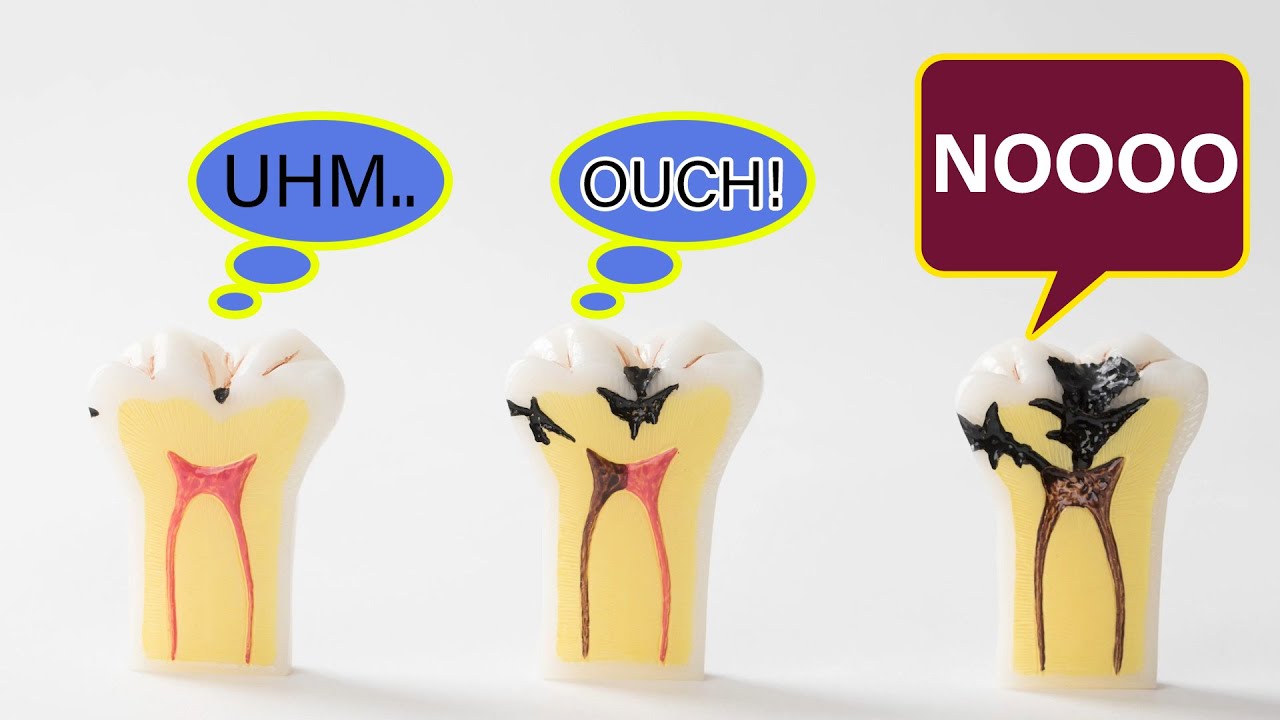
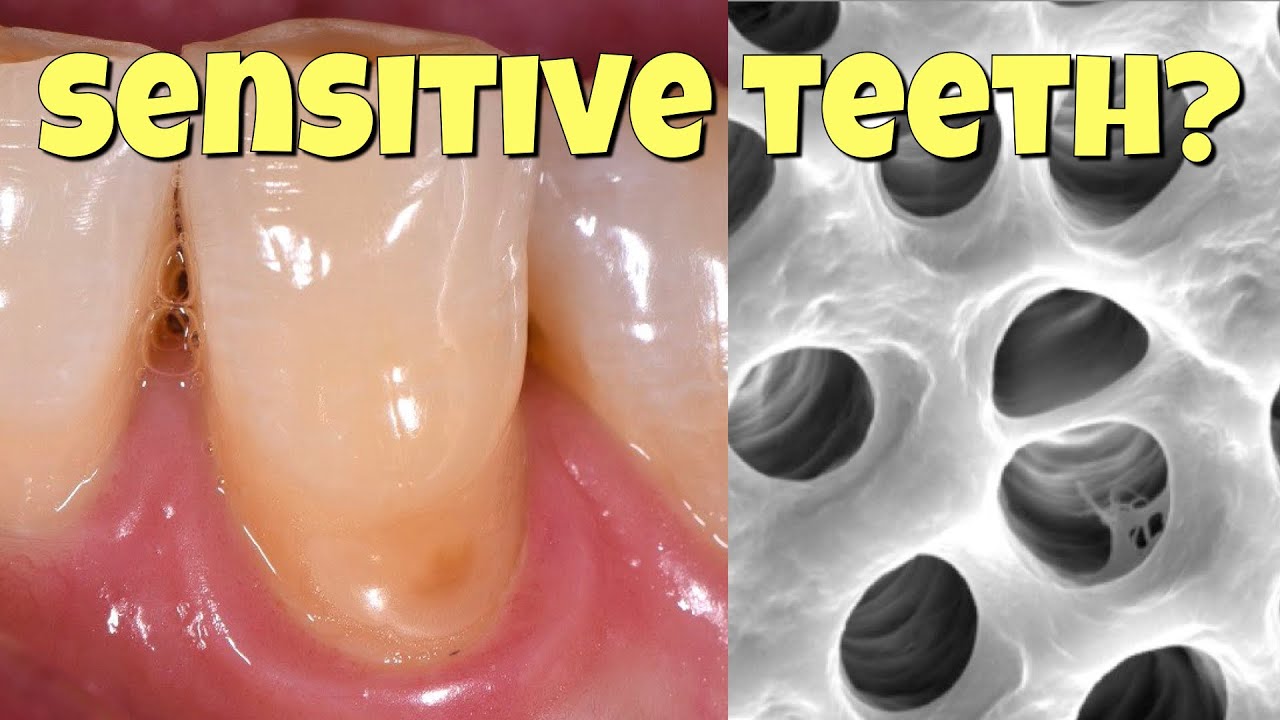
Periodontal disease, gingival recession, cracked teeth, erosion, abrasion, abfraction and tooth fracture may cause hypersensitivity. All of these conditions result in exposed dentin, which creates an environment in which stimuli cause dentinal tubular fluid movement that activates nerve fibers, causing pain. The exposed dentin may result from removal of cervical cementum during scaling and root planing, finishing and polishing of restorations, or extreme toothbrushing — especially after the ingestion of acidic food or drinks. Regurgitation by patients with bulimia produces acid exposure, and subsequent brushing can lead to loss of tooth structure.1 Pain can be localized or general in nature, and may affect a variety of tooth surfaces, either together or individually.12
As noted, patients with periodontal disease are subject to dentinal hypersensitivity.13 Studies show the incidence of hypersensitivity increases one week following periodontal surgery, and resolves by eight weeks.14,15 Younger patients demonstrate more sensitivity compared to older adults, in whom sensitivity takes longer to resolve. Scaling and root planing can also cause sensitivity for several days following treatment.
Gingival recession results in exposure of root surfaces and possible sensitivity. Buccal bone provides most of the blood supply for the buccal gingiva, and any loss of buccal bone will result in a decrease in gingiva.14 Thin or fenestrated bone, tooth anatomy, tooth position or orthodontic movement may result in recession. Excessive toothbrushing with dentifrice can also cause recession.15 The signs and symptoms of cracked teeth may vary depending on the severity. Patients usually will experience acute pain with mastication, but, upon removal of the stimulus, the pain subsides. If the pain extends to the pulp or periodontal ligament, it will persist.
Erosion is defined as a loss of enamel through chemical dissolution by acids that TREATMENT OPTIONS
Clinicians can recommend a variety of treatments for at-home use or in office application (see Table 1 for a treatment option flowchart).26 The mechanism of action is typically nerve desensitization, protein precipitation, plugging dentinal tubules, sealing dentin, or ablating dentin with a laser. The most commonly used therapies include anti-inflammatory agents, protein precipitants, tubule-occluding agents and tubule sealants. The most conservative approach should be implemented initially, with more aggressive treatments suggested if relief is not achieved.
#sensitiveteeth #teethsensitivity








Информация по комментариям в разработке