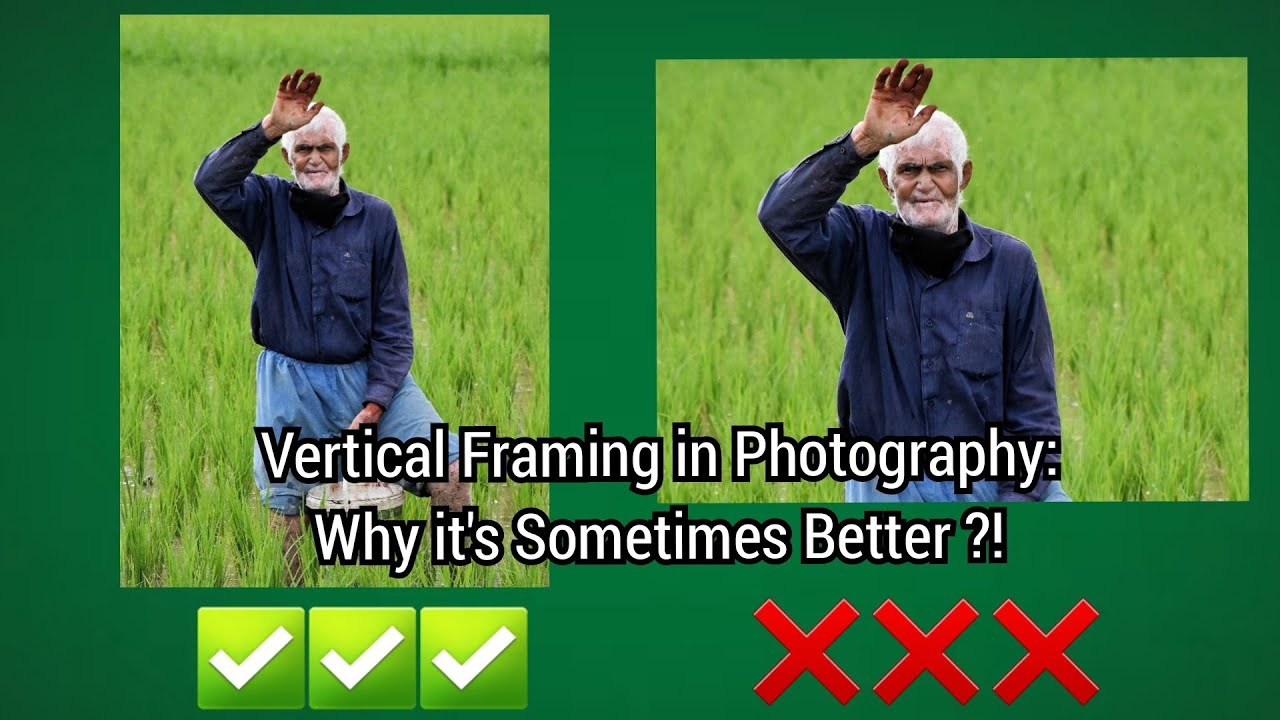
In this video, we explore the art of vertical framing in photography. We'll take a look at some of the situations where a vertical orientation can be more effective than a horizontal one, including portraits, tall subjects, long objects, depth enhancement, and natural perspective. With stunning visual examples and expert insights, you'll learn why vertical framing is such an important tool in the photographer's arsenal and how to use it to create beautiful and compelling images. Whether you're a seasoned professional or a budding amateur, this video is a must-watch for anyone interested in improving their photography skills and taking their visual storytelling to the next level. So sit back, relax, and let's dive into the wonderful world of vertical photo framing!
In photography, the choice of whether to use a vertical or horizontal framing depends on several factors such as the subject being photographed, the desired composition, and the intended use of the photo.
However, in some cases, a vertical framing can be more effective than a horizontal one. Here are some reasons why:
Better for portraits: When shooting a portrait, a vertical framing allows the photographer to capture the full height of the subject while maintaining a comfortable distance from them. This is particularly important when shooting head-to-toe shots, as it's essential to capture the entire body without having to crop out important elements such as hands or feet. Additionally, the vertical orientation conveys a sense of formality and importance, making it a great choice for formal portraits.
Creates a sense of height: When photographing tall subjects like buildings or trees, a vertical orientation can emphasize their height and make them appear more imposing. By positioning the camera vertically, the photographer can take advantage of the natural perspective of the eye to create an image that feels bigger and more grandiose. In some cases, a vertical framing can also help to capture the entire subject in the frame, which may be difficult to do with a traditional horizontal framing.
Better for long objects: When capturing long objects like bridges or trains, a vertical framing can help to showcase the full length of the subject without having to crop out important details. This is especially important when trying to convey the sheer scale of the object, which can be lost in a horizontal framing. By using a vertical orientation, the photographer can create an image that captures the full scope of the subject, from end to end.
Enhances depth: A vertical framing can enhance the sense of depth in an image by emphasizing the foreground and background. By positioning the camera vertically, the photographer can create a composition that emphasizes both the objects in the foreground and those in the background, creating a more dynamic and engaging image. This technique is often used in landscape photography, where the goal is to create a sense of depth and scale.
More natural perspective: Our eyes are naturally oriented vertically, which means that a vertical framing can feel more natural and intuitive to the viewer. When we look at something tall or upright, our eyes naturally down, rather than side-to-side. By using a vertical orientation move up and, the photographer can create an image that feels more familiar and natural to the viewer, making it easier for them to engage with and appreciate the photograph
Thank you for watching! If you're interested in learning more about photography, be sure to subscribe to my YouTube channel and follow me on Instagram for weekly tips and tutorials.
https://instagram.com/s.mohammadandy?...
#photography
#nikond7200
#nikon
#vertical
#vertical_framing
00:00 introduction
00:27 for portraits
00:57 sense of height
01:29 long objects
01:53 enhance depth
02:20 natural prespective

Информация по комментариям в разработке