Introduction
The blue wildebeest (Connochaetes taurinus), also known as the common wildebeest or brindled gnu, is a large antelope found in Africa. Recognizable by its robust build and distinctive features, the blue wildebeest plays a crucial role in the ecosystem of the African savannas.
Biological Classification
**Family**: Bovidae
**Genus**: Connochaetes
**Species**: Connochaetes taurinus
Habitat and Distribution
Blue wildebeest are native to the plains and open woodlands of southern and eastern Africa. They are predominantly found in countries such as Tanzania, Kenya, Botswana, Zambia, Zimbabwe, Mozambique, South Africa, and Namibia. These animals thrive in savannas and grasslands where there is ample grazing and water.
Physical Characteristics
Blue wildebeest are known for their distinctive appearance:
**Body**: They have a broad, muscular build with a height of about 4.5 feet (1.4 meters) at the shoulder.
**Weight**: Males can weigh up to 600 pounds (270 kilograms), while females are slightly smaller, weighing up to 500 pounds (230 kilograms).
**Coat**: Their coat is grayish-brown with a slight blue tinge, earning them the name "blue" wildebeest. They also have dark vertical stripes on their shoulders.
**Horns**: Both males and females possess curved horns that can span up to 33 inches (83 centimeters).
Behavior and Lifestyle
Blue wildebeest are social animals, typically found in large herds that can number in the thousands during migration:
**Migratory Behavior**: They are famous for their mass migrations, particularly in the Serengeti-Mara ecosystem, where over 1.5 million wildebeest travel annually in search of fresh grazing grounds and water.
**Speed**: Blue wildebeest are capable of running at speeds of up to 50 mph (80 km/h), which helps them evade predators like lions, hyenas, and crocodiles.
**Diet**: They are grazers, primarily feeding on short grasses. They also require regular access to water and can often be seen near water sources.
Breeding and Lifespan
Breeding in blue wildebeest is synchronized, with most births occurring at the beginning of the rainy season:
**Gestation**: The gestation period is approximately 8 months.
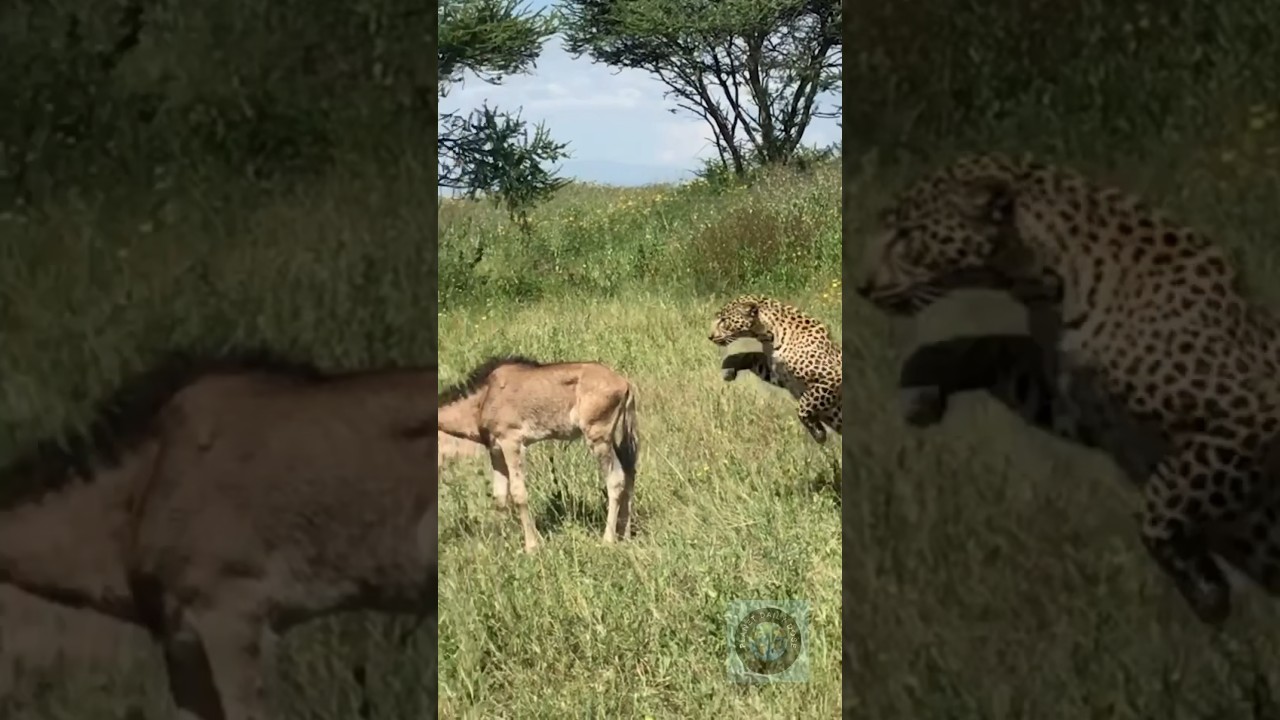
**Calving**: Females typically give birth to a single calf, which is able to stand and run within minutes of birth, an adaptation crucial for survival in predator-rich environments.
**Lifespan**: In the wild, blue wildebeest can live up to 20 years, although many do not reach this age due to predation and other natural challenges.
Special Skills and Adaptations
Blue wildebeest have several adaptations that enable their survival:
**Social Structure**: Their herding behavior provides safety in numbers, reducing individual predation risk.
**Migratory Instinct**: Their ability to undertake long migrations ensures they have access to fresh grazing and water throughout the year.
**Communication**: They use vocalizations, such as grunts and snorts, and visual signals like tail movements to communicate within the herd.
Conservation Status
Blue wildebeest are currently classified as Least Concern by the International Union for Conservation of Nature (IUCN) due to their large population and extensive range. However, habitat fragmentation, human-wildlife conflict, and poaching pose ongoing threats.
Ecological Importance
The blue wildebeest is a keystone species in its habitat. Its migratory patterns contribute to the nutrient cycling and ecological balance of the savanna ecosystems. Their movements help maintain grassland health and support a diversity of predators and scavengers.
Conclusion
The blue wildebeest is an iconic symbol of the African savanna, known for its impressive migrations and crucial ecological role. Understanding and protecting these remarkable animals is essential for preserving the dynamic ecosystems they inhabit and the natural heritage of Africa. Conservation efforts must continue to ensure the survival of blue wildebeest and the health of the savannas they call home.

Информация по комментариям в разработке