This video illustrates how interacting with pets, like cats and dogs, can foster emotional intelligence and the ability to find truth in small things, highlighting the unique "human animal bond." It contrasts the unconditional affection of pets with manipulative human interactions, showing how these relationships help people connect and understand others better through improved empathy. Ultimately, this journey with pets contributes to personal growth and deeper understanding of emotions in all relationships.
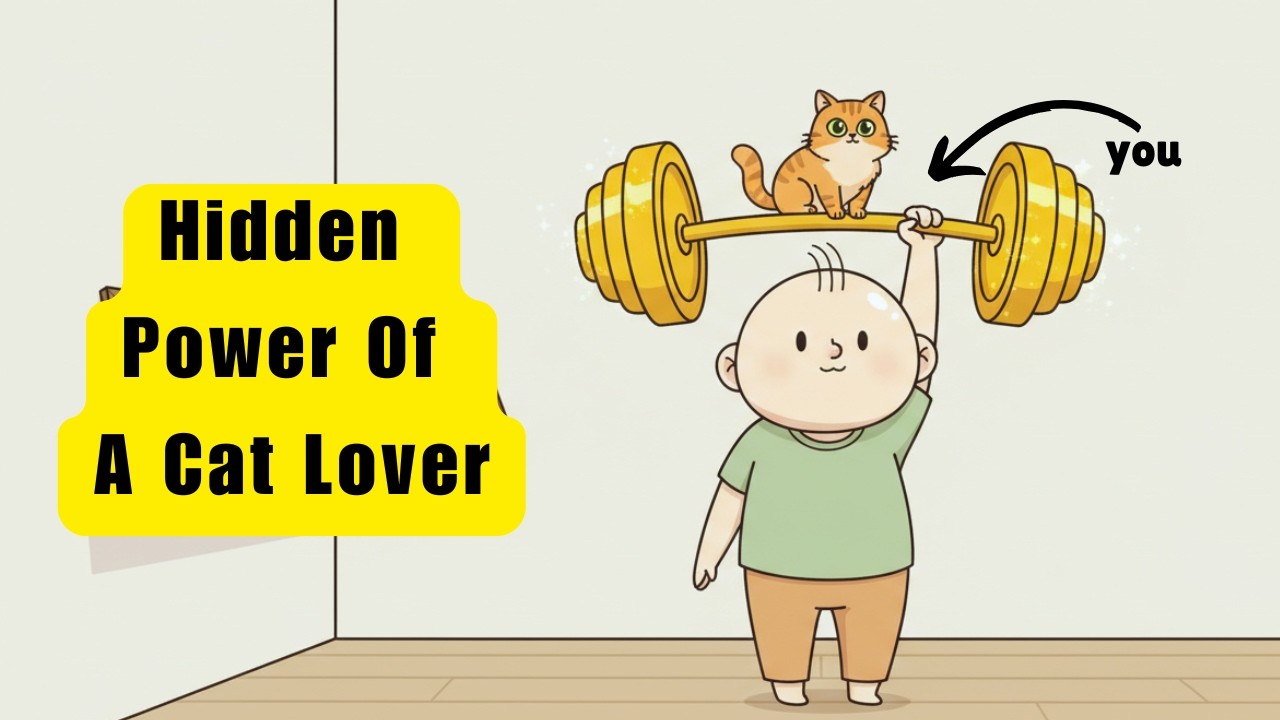
We break down why people who love cats often develop strong emotional literacy. Loving a creature that does not constantly reassure you builds tolerance for uncertainty. It teaches you to read subtle cues instead of dramatic displays. It shifts your understanding of affection from loud affirmation to quiet consistency.
The video also examines a powerful psychological connection: people who require constant validation are often easier to manipulate. When someone depends heavily on reassurance, praise, and reflected emotion, it becomes simple to influence them. In contrast, those who are comfortable without continuous feedback are harder to control. Years of bonding with a cat can reinforce this trait. You learn to sit with silence. You learn that presence matters more than performance.
We also discuss why cat lovers are often comfortable being misunderstood. Many have heard common stereotypes: “Cats don’t care,” “Dogs love you more,” “Cats are cold.” Yet cat owners recognize subtle signs of attachment the slow blink, the chosen lap, the quiet 3 a.m. visit. These small signals build an ability to detect meaning beneath the surface.
This video dives into attachment patterns, independence, and quiet loyalty. It looks at how cat lovers often value actions over words and consistency over dramatic expression. Manipulation frequently relies on language and emotional mirroring. When someone prioritizes behavior instead of declarations, they become less vulnerable to emotional control.
You’ll also discover why many cat lovers love deeply but without spectacle. They remember details. They show up consistently. They support without seeking attention. This type of connection is often overlooked because it does not demand recognition.
If you’ve ever wondered what loving a cat says about your emotional strength, your independence, or your tolerance for uncertainty, this breakdown connects the dots clearly and directly.
Topics covered in this video:
Cat psychology and human personality traits
Emotional independence and validation
Attachment styles and subtle affection
Why cat lovers are harder to manipulate
Quiet loyalty vs performative love
Psychological traits of independent people
Reading subtle social signals
If this perspective resonated with you, explore the channel for more psychology-based insights on personality, relationships, emotional intelligence, and behavioral patterns.
#CatPsychology #PersonalityTraits #EmotionalIntelligence #AttachmentStyles #IntrovertPsychology #HumanBehavior #SelfAwareness #IndependentPersonality
Disclaimer: This channel is created for educational and informational purposes only. It is not intended to replace professional psychological, medical, or therapeutic advice.
This video illustrates how interacting with pets, like cats and dogs, can foster emotional intelligence and the ability to find truth in small things, highlighting the unique "human animal bond." It contrasts the unconditional affection of pets with manipulative human interactions, showing how these relationships help people connect and understand others better through improved empathy. Ultimately, this journey with pets contributes to personal growth and deeper understanding of emotions in all relationships.
🔔 Subscribe if you like psychology explained clearly, honestly, and without trends or noise.










Информация по комментариям в разработке