Logo video2dn
  • Сохранить видео с ютуба
  • Категории
    • Музыка
    • Кино и Анимация
    • Автомобили
    • Животные
    • Спорт
    • Путешествия
    • Игры
    • Люди и Блоги
    • Юмор
    • Развлечения
    • Новости и Политика
    • Howto и Стиль
    • Diy своими руками
    • Образование
    • Наука и Технологии
    • Некоммерческие Организации
  • О сайте

Скачать или смотреть What Wildland Firefighters Must Know About Medical Emergencies

  • The Journeyman
  • 2025-10-21
  • 97
What Wildland Firefighters Must Know About Medical Emergencies
  • ok logo

Скачать What Wildland Firefighters Must Know About Medical Emergencies бесплатно в качестве 4к (2к / 1080p)

У нас вы можете скачать бесплатно What Wildland Firefighters Must Know About Medical Emergencies или посмотреть видео с ютуба в максимальном доступном качестве.

Для скачивания выберите вариант из формы ниже:

  • Информация по загрузке:

Cкачать музыку What Wildland Firefighters Must Know About Medical Emergencies бесплатно в формате MP3:

Если иконки загрузки не отобразились, ПОЖАЛУЙСТА, НАЖМИТЕ ЗДЕСЬ или обновите страницу
Если у вас возникли трудности с загрузкой, пожалуйста, свяжитесь с нами по контактам, указанным в нижней части страницы.
Спасибо за использование сервиса video2dn.com

Описание к видео What Wildland Firefighters Must Know About Medical Emergencies

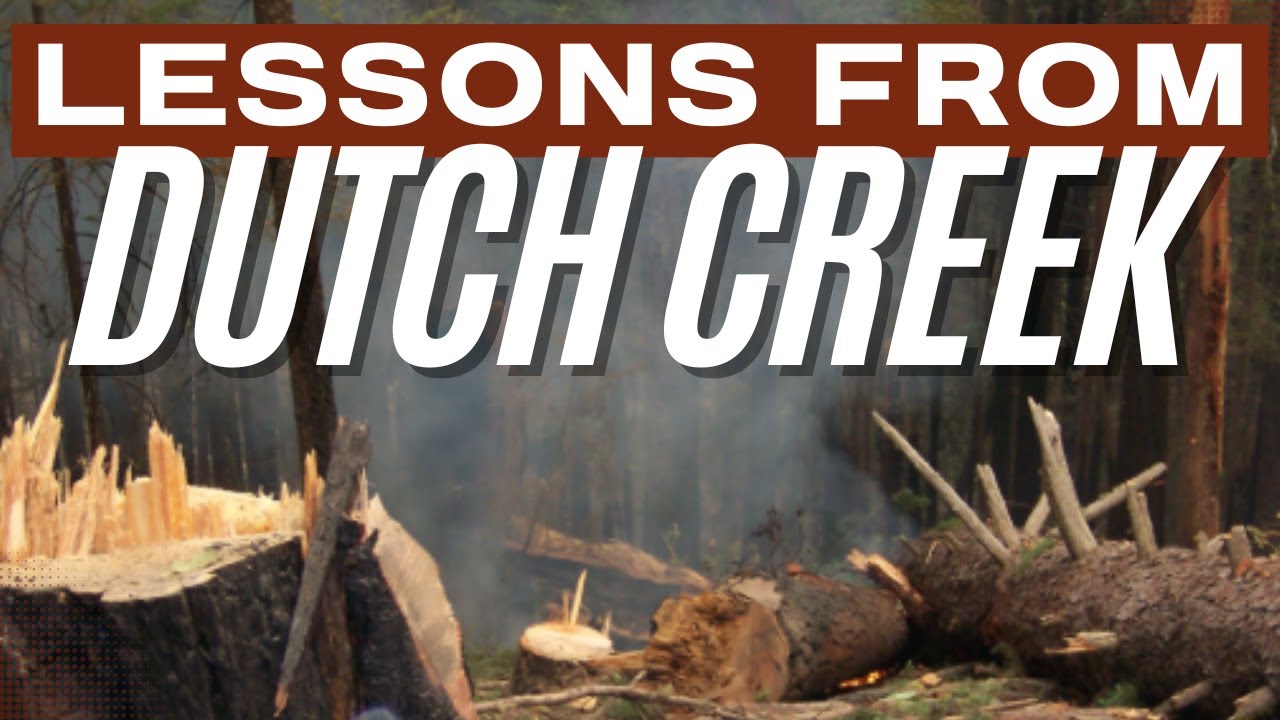
Four lessons from the Dutch Creek incident that every wildland firefighter and medic needs to know:

1. Radio language matters. Say "struck by tree" and "active bleed"—not just "leg injury"
2. Spin up aviation early. You can always cancel if you don't need it
3. Stop the bleed FIRST. Stabilize massive hemorrhage and airway before moving the patient
4. Assign one medical lead. Clear ownership prevents communication drift and keeps everyone aligned on GPS, LZs, and patient status

We revisit the Dutch Creek incident and the loss of Andy Palmer to map the real-world decisions, delays, and coordination breakdowns that forged modern wildland EMS protocols. From the first radio call to the final hoist, we walk through what went wrong: smoke grounding helicopters, county medics hiking in light because "broken leg" sounded minor, the scramble between agency and Coast Guard aircraft, and the brutal reality of carrying a patient down a moondust dozer line.

A calm dispatch can hide a life-threatening bleed—and those first words shape everything that happens next. Better language, earlier activation, and stronger medical leadership could have changed the outcome. We unpack exactly how.

We close with the reforms that followed—NWCG Dutch Creek protocols, required medical resources on incidents, and a shared culture of readiness built on four questions every crew must answer:

What will we do if someone gets hurt?
How will we get them out of here?
How long will it take to get them to a hospital?
Who owns the plan?

Honor Andy Palmer by making readiness non-negotiable: carry the right gear, train for the terrain, call it red when your gut says go, and never let a soft radio call delay a hard response.

Find The Journeyman App here:
Google Play Store: play.google.com/store/apps/details?id=com.livetjm.thejourneyman&pli=1

Apple App Store:
apps.apple.com/us/app/tjm-the-journeyman/id6503902863

Visit Our Website
livetjm.com/home

[00:00:00] Why Details Save Lives
[00:06:47] The Incident Unfolds
[00:10:24] Miscommunications And Resource Delays
[00:18:44] Hoist Decision And Outcome
[00:22:46] Reforms, Protocols, And The Three Questions

Комментарии

Информация по комментариям в разработке

Похожие видео

  • О нас
  • Контакты
  • Отказ от ответственности - Disclaimer
  • Условия использования сайта - TOS
  • Политика конфиденциальности

video2dn Copyright © 2023 - 2025

Контакты для правообладателей [email protected]