COVID-19 has reshaped how we think about public health and the practical steps we take every day to keep ourselves safe and healthy. Today more than ever, we share a heightened responsibility surrounding our environmental hygiene, as well as the potential harm that poor cleaning habits can cause.
Something we encounter every day is dust. It’s synonymous with being untidy, old, and causing us to sneeze. But perhaps in our post-COVID world, we will see dust a little differently.
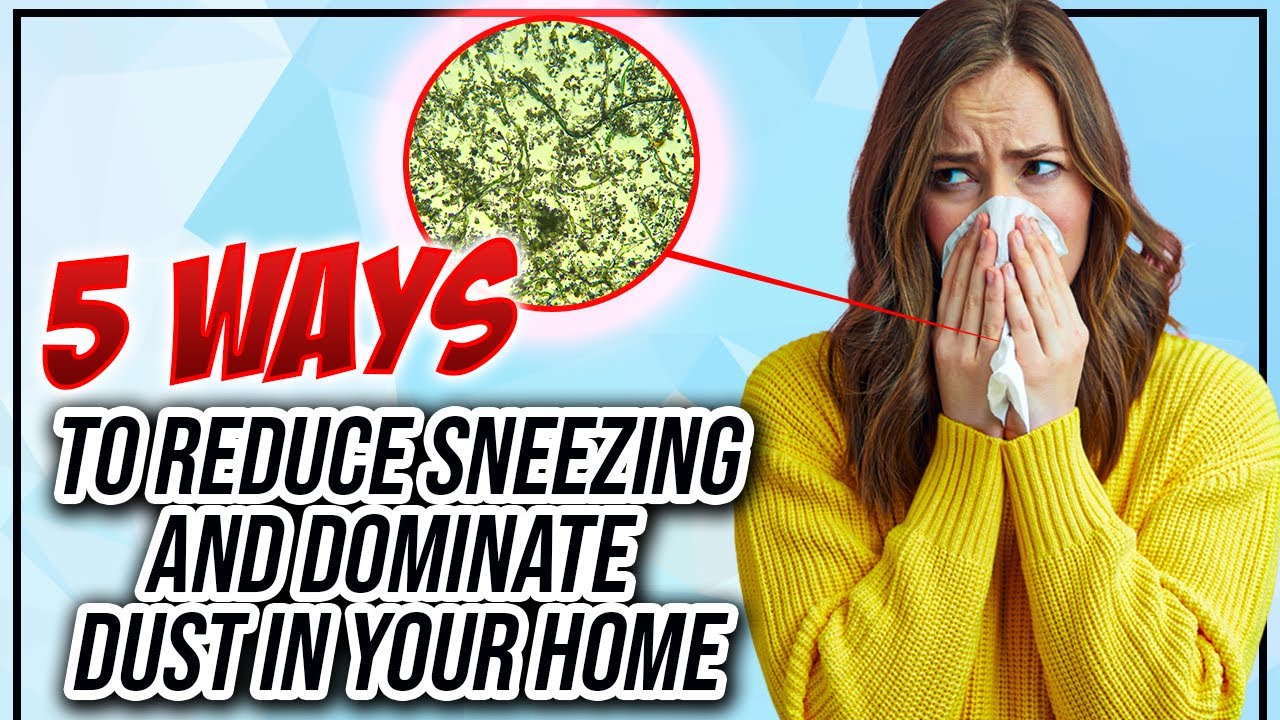
Dust is an organic material, a combination of microbial vegetable or animal materials. Often, household dust is comprised of skin cells from human inhabitants and pets. As it is biological, dust can contain viruses, bacteria, fungi, algae, insects, mites, and even antibiotics. Moreover, dust contributes to bioaerosols, which when disturbed, become airborne and can cause respiratory issues. This forms part of the background bioburden to the home and the subsequent risks from exposure.
The most common allergic reaction to dust is sneezing, however, this can develop into a condition called allergic rhinitis. This is an inflammatory disease of the nasal mucosa and can cause further nasal congestion as well as itchiness or irritation, as well as redness of the eyes and inflammation and discharge from the nose.
Allergic rhinitis is one of the most common atopic diseases, and depending on where you live, affects between 10% and 60% of the population. Of these cases, the most common cause is from household dust allergens.
Allergic rhinitis caused by dust can lead to workday losses in adults and school day losses and learning disabilities in children. People who suffer from allergic rhinitis report feeling tired and can also report feeling miserable because of their nasal symptoms.
So, what steps can we all take?
A great method to combat dust is to use microfiber cloths rather than cotton or other woven-style cleaning materials. Microfiber works so well because it has a high density of cleaning strands, with the increased surface area offering a better level of cleaning.
Additionally, disposable wipes are a great way to get dust under control. Some contain alcohol, detergents, antimicrobial solutions or are simply damp. They work through a combination of both physically moving material, as well as the added effect of any detergent of alcohol within the wipe. Even with the addition of a cleaning solution, there is still a risk of cross-contamination from using the same wipe on multiple surfaces, therefore it is vital to adhere to the ‘one wipe, one surface’ rule.
Thirdly, it is important to understand that fungal contamination of buildings is known to be worse in winter while the overall levels of bacteria tend to decrease. Therefore, cleaning of surfaces that potentially become water prone, or show condensation, should be cleaned more frequently during winter.
The fourth important point is that research suggests that where you live has an impact on your experience of allergic symptoms. For example, if you live in an urban area, your risk of allergic rhinitis is four times higher compared to those who live in rural areas, and your asthma risk is eight times higher, primarily due to traffic air pollution. If you find you’re a prevalent sneezer, and you can’t escape to the countryside, then pay close attention to hard-to clean areas like the tops of pictures or mirrors on walls, the tops of doorframes, the tops of shelving. Consider testing these areas with tape lifts if you want an objective measure of the settled dust bioburden.
Finally, it’s worth knowing that microfibers containing sporicidal disinfectants and detergent is more effective at reducing microbes that remain on surfaces in comparison to microfiber towels that are just made damp with water and used to clean. Many gym or workout towels are made of microfibre, but may not be as effective as you imagine. Wiping down gym equipment with a damp microfibre towel will not be as effective as using microfiber cleaning cloths containing sporicidal disinfectants and detergent.
To summarise, it’s important to understand the difference between cleaning something and thoroughly disinfecting it - an object or surface may appear clean to the eye but could be havering dust, pathogens or other microbial matter. As life under COVID has taught us, disinfecting things we come into contact with is an important step to keeping us healthy, so perhaps it’s time we thought the same way about dust.
#dust #microfibre #rhinitis

Информация по комментариям в разработке