Logo video2dn
  • Сохранить видео с ютуба
  • Категории
    • Музыка
    • Кино и Анимация
    • Автомобили
    • Животные
    • Спорт
    • Путешествия
    • Игры
    • Люди и Блоги
    • Юмор
    • Развлечения
    • Новости и Политика
    • Howto и Стиль
    • Diy своими руками
    • Образование
    • Наука и Технологии
    • Некоммерческие Организации
  • О сайте

Скачать или смотреть Canine Parvo Viral Enteritis

  • Dr. VET. NAGAR 🩺
  • 2025-10-30
  • 34
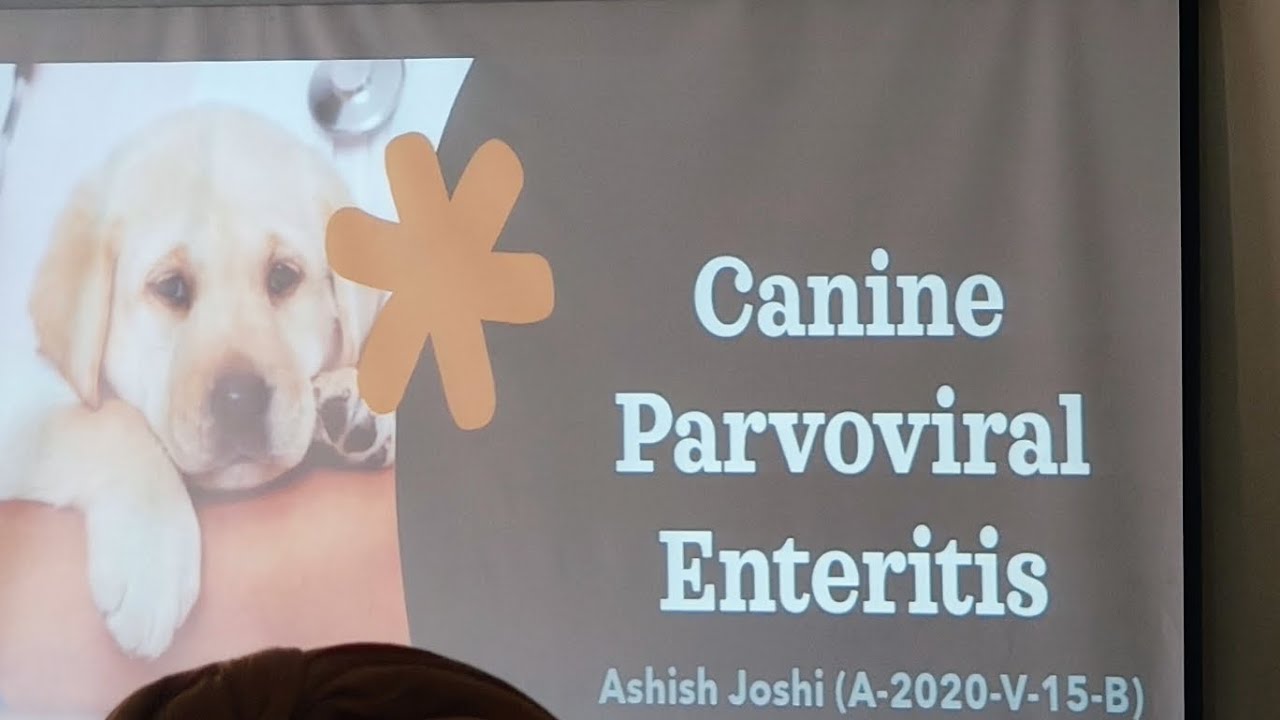
Canine Parvo Viral Enteritis
  • ok logo

Скачать Canine Parvo Viral Enteritis бесплатно в качестве 4к (2к / 1080p)

У нас вы можете скачать бесплатно Canine Parvo Viral Enteritis или посмотреть видео с ютуба в максимальном доступном качестве.

Для скачивания выберите вариант из формы ниже:

  • Информация по загрузке:

Cкачать музыку Canine Parvo Viral Enteritis бесплатно в формате MP3:

Если иконки загрузки не отобразились, ПОЖАЛУЙСТА, НАЖМИТЕ ЗДЕСЬ или обновите страницу
Если у вас возникли трудности с загрузкой, пожалуйста, свяжитесь с нами по контактам, указанным в нижней части страницы.
Спасибо за использование сервиса video2dn.com

Описание к видео Canine Parvo Viral Enteritis

Canine parvovirus (CPV) is a highly contagious viral disease that primarily affects a dog's gastrointestinal tract and white blood cells. Commonly known as "parvo," it is a serious illness, especially for unvaccinated puppies between 6 and 20 weeks old.

#parvovirus
#parvo
#canineparvovirus
#doghealth
#dogrescue
#puppylife
#animalhealth
#petcare
#vetmed
#parvotreatment
#parvosymptoms
#parvoprevention
#dogillness
#vetlife
#veterinarian
#caninedisease
#vaccinateyourdog

How the virus spreads
Parvovirus is extremely hardy and can survive in the environment for months to years, making it highly transmissible. The virus spreads through:
Direct contact with infected dogs.
Indirect contact with virus-contaminated feces.
Contaminated surfaces, including kennel floors, food and water bowls, and the hands or clothing of people who have handled infected dogs.
Symptoms of infection
Symptoms typically appear within 3 to 10 days of exposure and can vary depending on the severity of the infection. Common signs include:
Lethargy and depression
Loss of appetite (anorexia)
Persistent vomiting
Severe diarrhea, which is often bloody and has a distinct, foul odor
Abdominal pain and bloating
Fever or low body temperature (hypothermia)
Severe weight loss
Signs of dehydration, such as dry gums and sunken eyes
In very young puppies (under 8 weeks), CPV can also cause myocarditis, a sudden, life-threatening inflammation of the heart muscle.
Diagnosis
If your dog shows symptoms of parvovirus, a veterinarian will perform an examination and typically confirm the diagnosis using:
Fecal SNAP ELISA test: A rapid, in-clinic test that detects viral antigens in the dog's stool.
Blood tests: To check for a characteristic drop in white blood cell count (leukopenia), which is caused by the virus destroying rapidly dividing immune cells.
Fecal PCR test: A more sensitive test that detects viral DNA and can be useful if an ELISA test is negative.
Treatment
There is no specific cure for parvovirus. Treatment is supportive and focuses on managing symptoms to give the dog's immune system time to fight the infection. Prompt and aggressive veterinary care significantly increases the chances of survival, which can exceed 90% with hospitalization.
Treatment usually involves:
Intravenous fluids to correct severe dehydration and electrolyte imbalances.
Antiemetic medication to control vomiting.
Antibiotics to prevent or treat secondary bacterial infections that can occur due to damage to the intestinal lining.
Nutritional support via a feeding tube if the dog cannot eat on its own.
Monoclonal antibody therapy: A conditionally approved intravenous treatment that can help neutralize the virus and reduce the severity of the illness.
Prevention
Vaccination is the most effective way to protect dogs from parvovirus.
Vaccination schedule: A series of vaccinations is given to puppies, usually starting between 6 and 8 weeks of age and followed by boosters until they are at least 16 weeks old. Adult dogs require boosters every three years.
Protect unvaccinated puppies: Until they have completed their vaccination series, puppies should be kept away from public areas where other dogs gather, such as dog parks, pet stores, and kennels.
Disinfection: To kill the hardy virus, use a 1:30 solution of household bleach mixed with water to thoroughly clean any surfaces that may be contaminated. Regular cleaning of food and water bowls, bedding, and floors is critical.

Комментарии

Информация по комментариям в разработке

Похожие видео

  • О нас
  • Контакты
  • Отказ от ответственности - Disclaimer
  • Условия использования сайта - TOS
  • Политика конфиденциальности

video2dn Copyright © 2023 - 2025

Контакты для правообладателей [email protected]