Truman Capote threw the century's most famous party—the 1966 Black and White Ball at Plaza Hotel—then destroyed his relationships with wealthy socialite "swans" like Babe Paley by publishing their intimate secrets in "La Côte Basque," leading to his social exile, alcoholism, and death while his betrayed friends lived decades carrying the wounds of literature's most famous friendship betrayal.
-------------------
Gain FREE access to secret full-length documentaries on wealthy families "too scandalous for YouTube" by joining our newsletter: https://www.substack.com/@oldmoneyluxury
-------------------
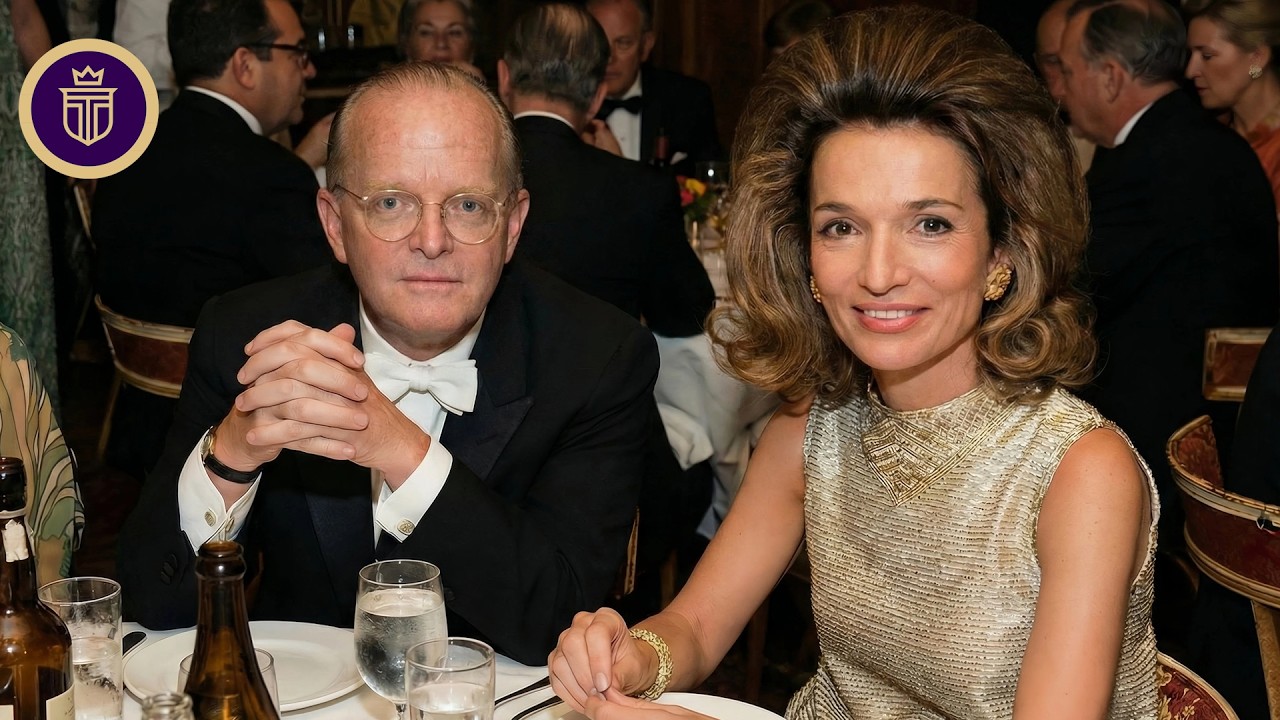
On November 28, 1966, Truman Capote threw the most perfectly proportioned social event of the century—540 guests in black and white masks at the Plaza Hotel's Grand Ballroom.
The 42-year-old writer was at the absolute apex of everything he would ever achieve, having planned the evening since July with a black-and-white composition notebook.
Guests included senators, film stars, novelists, and socialites from Hollywood, Washington, London, and Rome, all celebrating the small man who had become the most socially powerful person in New York.
Born Truman Streckfus Persons in New Orleans in 1924, he was largely abandoned by his parents and raised by elderly female cousins in Monroeville, Alabama, alongside neighbor Nelle Harper Lee.
His breakthrough novel "Other Voices, Other Rooms" appeared in 1948 when he was 23, followed by "Breakfast at Tiffany's" in 1958, but "In Cold Blood" in 1966 made him famous beyond literature.
For six years, Capote researched the Clutter family murders in Kansas, befriending killers Richard Hickock and Perry Smith with an obsession that crossed professional boundaries.
When Kansas executed them in 1965, Capote was present and wept, but the book's success made him a celebrity rather than just a writer.
The women he called his "swans" had been accumulating around him for years—wealthy socialites who moved through the world with manufactured effortlessness sustained by enormous discipline.
Babe Paley was the most important, married to CBS founder William S. Paley, known for perfect taste and elegance that became legendary.
Other swans included Slim Keith, Gloria Guinness, Marella Agnelli, Lee Radziwill, C.Z. Guest, and Pamela Churchill Harriman—women who had married powerful men and occupied the upper floors of American society.
These women trusted Capote with their most intimate secrets about their marriages, humiliations, and private lives because he genuinely listened and found them interesting rather than merely admirable.
What they gave him was honesty about their husbands' affairs, their social disappointments, and the gap between their public personas and private realities.
Capote was writing "Answered Prayers," his contracted masterpiece about high society, but the book required using material that could not be published without destroying the relationships that provided it.
In November 1975, Esquire published "La Côte Basque 1965," a chapter featuring thinly disguised versions of his friends sharing their most embarrassing secrets.
Ann Woodward, who had shot her husband in 1955 and was barely disguised in the story, swallowed a cyanide pill after reading it.
Babe Paley never spoke to Capote again after he published details of her husband's affairs that she had confided privately.
The other swans similarly cut him off completely, ending the social structure that had sustained him for 15 years.
When Babe was diagnosed with lung cancer in 1977, Capote desperately tried to reach her before she died in 1978, but she refused all contact.
Capote spent his final years from 1975-1984 drinking heavily, taking pills, and appearing on talk shows in declining condition while claiming his book was nearly finished.
He died in 1984 at age 59 in Bel Air, and the complete manuscript of "Answered Prayers" was never found.
The surviving swans lived for decades afterward—some until 2019—carrying the friendship and betrayal through marriages, divorces, and reinventions Capote never lived to see.
When forced to choose between the writer and the friend in 1975, Capote chose the writer, but the writer never finished the book.













Информация по комментариям в разработке