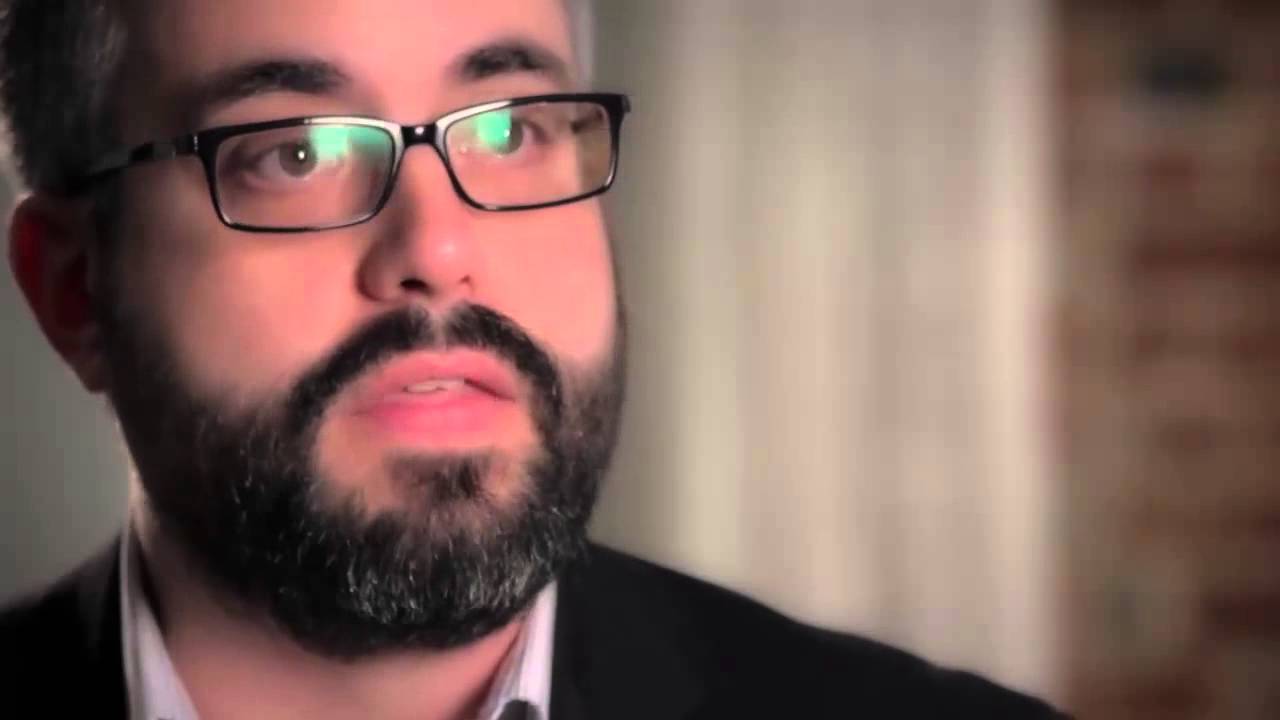
Brown-Forman's, Jeremy Murrell, Director of the Center for Research Excellence, talks about why Brown-Forman decided to use Social Intelligence and what the barriers were for implementation.
Transcript
Social intelligence is something that we've used at Brown-Forman in certain capacities, specifically, when we look at our digital marketing and PR. Traditionally that's where we've used it, to just keep up to date on what people are saying about our brands. As we started to get into the realm of social media with Facebook and with Twitter, what we were seeing is that there were people who were making judgments or asking questions about maybe one or two comments they would see on a Facebook page. What we were trying to understand is, is that a particular outlier that someone's making this comment, whether it's positive or negative? Or, is this something that's really a theme? Is this representative of a lot of people? By bringing social intelligence in, we were able to more accurately represent those comments, and really put a little bit more understanding around, "Is this something we should really worry about? Or is this something that's just something that someone or two people said, and we don't have to put as much credence into it." It's less about not thinking that those negative comments are important, but trying to understand, is it large enough to where it really makes us think differently about what we're doing, and do we have to adjust to that. Bringing that in-house is what's really helped us make those decisions. In terms of other uses, we've identified that the social space is a rich arena of information. Thinking specifically about insights, I like to think of social as a game of Jeopardy, almost. There are lots of answers out there; we just don't know the questions yet. By going out and understanding the behaviors and the comments and the things that consumers are saying. What does that mean to us? Does that lead us down a path of trying to dig in a little bit deeper into a comment or a question? Does it let us think a little bit differently about a brand or maybe a new product innovation that could take place? Does it help us think differently about occasions and how consumers are interacting with our brands? It's one of those places where there's lots of information, and by bringing it in-house we're able to work closely with our brand partners, understand their objectives, and then social becomes a supplemental tool for us to see what insights we can pull based on those objectives. In terms of barriers, what we've found is that it's been twofold. Initially it was that social is not really a representative tool of research, and there was, at least initially, some concern about, "Do we really care about this?" or, "Is this reflective of our consumer in general?" We had to find some opportunities, some quick wins to show people the power of the tool. Once we did that, then the floodgates opened. The other challenge we had was, we have free research now. We don't have to do anything else. So there was this push of trying to do too much with the social space. We had to pull back the reins a little bit now that we were in the shiny new tool phase, and really put parameters around the tool. Showing that it is a rich source of information, but how does that tool work with other tools that we have, and how do we make sure that we're using it appropriately? I feel like now we're in this nice medium of, we've educated enough people in the power of the tool, but also the uses for it. And we're able to pull some really great, powerful insight from that source.

Информация по комментариям в разработке