What if your entire city fit into just one square kilometer—yet housed hundreds of thousands of people? In Nairobi, that place exists. It’s called Kibera, and it’s more than just a slum—it’s a living, breathing community that challenges our assumptions about urban poverty, resilience, and hope. Today, we dive deep into the heart of Nairobi’s informal settlements, with a special focus on the people, the places, and the powerful stories of Kibera and Mathare.
What Are Slums?
Slums are densely populated urban areas marked by substandard housing, poor sanitation, and limited access to essential services. These areas typically emerge when urbanization outpaces infrastructure, leading low-income residents to settle in informal or illegal housing.
Globally, more than one billion people live in slums, and this number is expected to rise. In sub-Saharan Africa, over 60% of urban residents live in informal settlements. Nairobi, Kenya's capital and economic engine, is no exception.
Kibera: Africa's Most Densely Populated Slum
Kibera is often labeled as Africa’s largest urban slum, although exact figures are contested due to the informal nature of housing and rapid population shifts. Estimates range from 250,000 to over 600,000 residents, packed into an area of just 2.5 square kilometers. That’s a population density exceeding 100,000 people per square kilometer—comparable to the most crowded cities in the world.
Located about 5 kilometers southwest of Nairobi’s Central Business District, Kibera sits on public land, originally allocated to Nubian soldiers after World War I. The area has since grown into a vast informal settlement, composed of 12 villages, including Laini Saba, Soweto East, Makina, and Gatwekera.
Who Lives in Kibera?
Kibera’s residents are incredibly diverse. While it originated with Kenyan Nubians, the slum today includes many ethnic groups: Luo, Luhya, Kikuyu, Kamba, and Somali communities all coexist. Many residents are economic migrants, drawn to Nairobi by hopes of employment and a better life.
The population skews young—over 60% of residents are under the age of 25.
Housing and Infrastructure
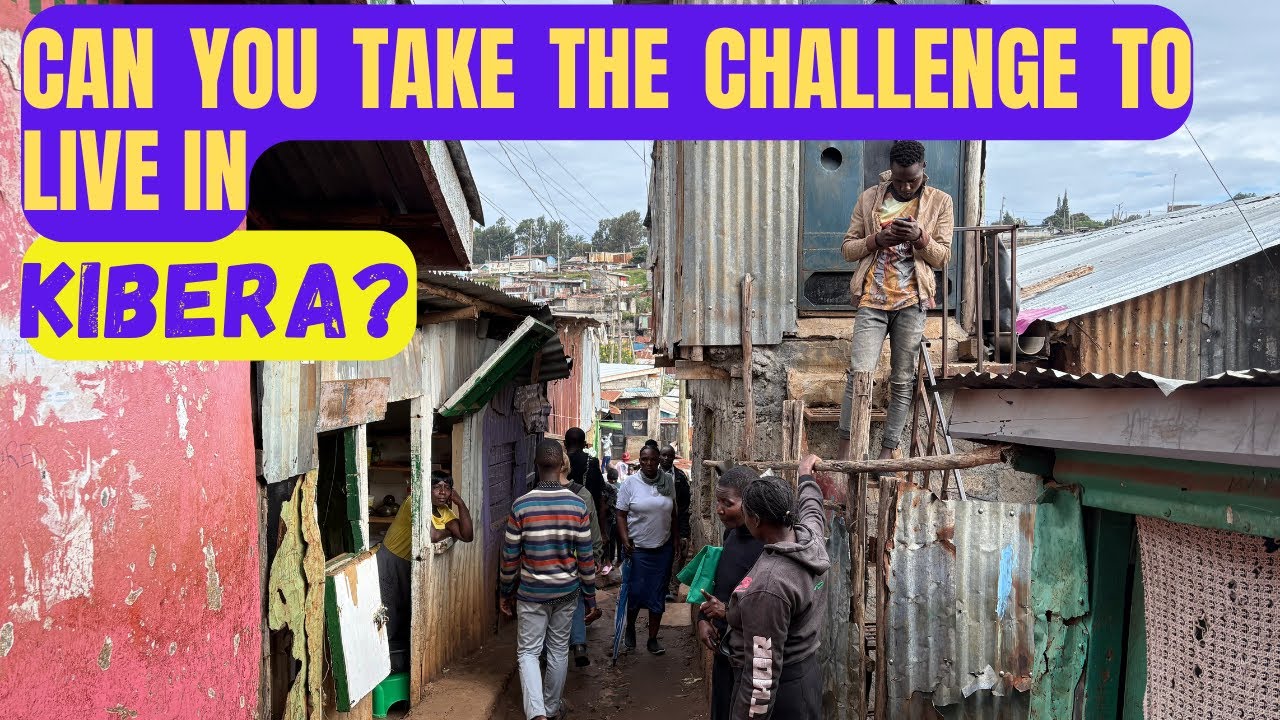
Houses in Kibera are usually one-room units, made of mud walls, corrugated tin roofs, and dirt or concrete floors. These homes often lack electricity, running water, or sanitation. Many families rent these homes from informal landlords—yes, even in a slum, most people pay rent, typically between 1,500 and 3,000 Kenyan shillings per month (around $10 to $20 USD).
Water and Sanitation
Water is a daily struggle. While the Nairobi City Water and Sewerage Company supplies some water, access is limited. Most residents buy water from private vendors at 2 to 5 shillings per 20-liter jerrycan—far more than wealthier neighborhoods pay for piped water.
Sanitation is perhaps Kibera’s greatest challenge. Only 10% of households have access to a toilet within their homes. Most use shared pit latrines, often in poor condition, or resort to the infamous “flying toilet”—plastic bags used and discarded into open drains or roads.
Electricity and Internet Access
While illegal electricity connections are common, they are dangerous and unreliable. Fires caused by faulty wiring are frequent. In recent years, the Kenyan government and NGOs have expanded legal electricity hookups, and as of 2023, nearly 50% of households have some form of legal or semi-legal power access.
Internet and mobile phone access is surprisingly robust. Over 80% of adults own a mobile phone, and internet cafes and smartphones have made digital communication a growing part of Kibera’s economy and social life.
Education and Healthcare
Kibera is home to over 100 schools, most of them community-based or informal, though some government schools serve the area. Enrollment in primary education is relatively high thanks to Free Primary Education policies, but secondary school completion remains low—often due to cost and family responsibilities.
One of the most significant providers is AMREF Kibera Community Health Center, offering affordable services and maternal care.
Livelihoods and the Informal Economy
Most Kibera residents work in Nairobi’s informal sector: day laborers, artisans, domestic workers, hawkers, and small-scale traders. There are countless microbusinesses: food vendors, tailor shops, repair stalls, and even barbers. Entrepreneurship is a lifeline. In some areas of Kibera, entire economies function independently, with local banks, saving groups (chamas), and cooperative markets.
Monthly incomes vary, but many households survive on less than 10,000 KES ($70 USD) per month. Unemployment and underemployment are widespread, but community resilience and informal networks help many survive.
#kibera #nairobi #kenya #urbanplanning #slums #urbanpolicy #subsaharanafrica #urbanhistory #sanitationsolutions #watermanagement #informaleconomy #cityplanning #transportation #matatu

Информация по комментариям в разработке