Logo video2dn
  • Сохранить видео с ютуба
  • Категории
    • Музыка
    • Кино и Анимация
    • Автомобили
    • Животные
    • Спорт
    • Путешествия
    • Игры
    • Люди и Блоги
    • Юмор
    • Развлечения
    • Новости и Политика
    • Howto и Стиль
    • Diy своими руками
    • Образование
    • Наука и Технологии
    • Некоммерческие Организации
  • О сайте

Скачать или смотреть NASA Radar Reveals Asteroid 1998 QE2 Has Its Own Moon

  • Matthew Travis
  • 2013-06-02
  • 150
NASA Radar Reveals Asteroid 1998 QE2 Has Its Own Moon
NASAspacespaceflightexplorationrocketlaunchlaunchesspacecraftJPLasteroidmoonNEOEarthAsteroid 1998 QE2nearobject
  • ok logo

Скачать NASA Radar Reveals Asteroid 1998 QE2 Has Its Own Moon бесплатно в качестве 4к (2к / 1080p)

У нас вы можете скачать бесплатно NASA Radar Reveals Asteroid 1998 QE2 Has Its Own Moon или посмотреть видео с ютуба в максимальном доступном качестве.

Для скачивания выберите вариант из формы ниже:

  • Информация по загрузке:

Cкачать музыку NASA Radar Reveals Asteroid 1998 QE2 Has Its Own Moon бесплатно в формате MP3:

Если иконки загрузки не отобразились, ПОЖАЛУЙСТА, НАЖМИТЕ ЗДЕСЬ или обновите страницу
Если у вас возникли трудности с загрузкой, пожалуйста, свяжитесь с нами по контактам, указанным в нижней части страницы.
Спасибо за использование сервиса video2dn.com

Описание к видео NASA Radar Reveals Asteroid 1998 QE2 Has Its Own Moon

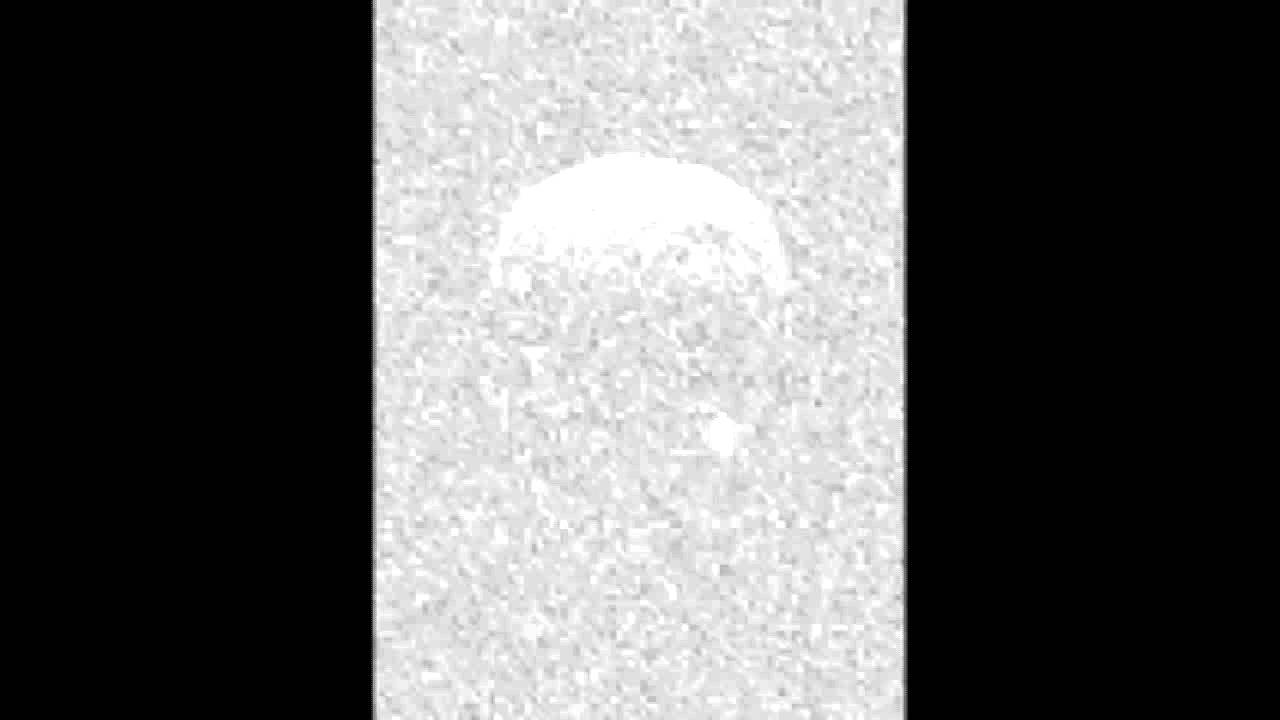
A sequence of radar images of asteroid 1998 QE2 was obtained on the evening of May 29, 2013, by NASA scientists using the 230-foot (70-meter) Deep Space Network antenna at Goldstone, Calif., when the asteroid was about 3.75 million miles (6 million kilometers) from Earth, which is 15.6 lunar distances.

The radar imagery revealed that 1998 QE2 is a binary asteroid. In the near-Earth population, about 16 percent of asteroids that are about 655 feet (200 meters) or larger are binary or triple systems. Radar images suggest that the main body, or primary, is approximately 1.7 miles (2.7 kilometers) in diameter and has a rotation period of less than four hours. Also revealed in the radar imagery of 1998 QE2 are several dark surface features that suggest large concavities. The preliminary estimate for the size of the asteroid's satellite, or moon, is approximately 2,000 feet (600 meters) wide. The radar collage covers a little bit more than two hours.

The radar observations were led by scientist Marina Brozovic of NASA's Jet Propulsion Laboratory, Pasadena, Calif.

The closest approach of the asteroid occurs on May 31 at 1:59 p.m. Pacific (4:59 p.m. Eastern / 20:59 UTC), when the asteroid will get no closer than about 3.6 million miles (5.8 million kilometers), or about 15 times the distance between Earth and the moon. This is the closest approach the asteroid will make to Earth for at least the next two centuries. Asteroid 1998 QE2 was discovered on Aug. 19, 1998, by the Massachusetts Institute of Technology Lincoln Near Earth Asteroid Research (LINEAR) program near Socorro, N.M.

The resolution of these initial images of 1998 QE2 is approximately 250 feet (75 meters) per pixel. Resolution is expected to increase in the coming days as more data become available. Between May 30 and June 9, radar astronomers using NASA's 230-foot-wide (70 meter) Deep Space Network antenna at Goldstone, Calif., and the Arecibo Observatory in Puerto Rico, will perform an extensive campaign of observations on asteroid 1998 QE2. The two telescopes have complementary imaging capabilities that will enable astronomers to learn as much as possible about the asteroid during its brief visit near Earth.

Комментарии

Информация по комментариям в разработке

Похожие видео

  • О нас
  • Контакты
  • Отказ от ответственности - Disclaimer
  • Условия использования сайта - TOS
  • Политика конфиденциальности

video2dn Copyright © 2023 - 2025

Контакты для правообладателей [email protected]