Buddhist procession culture in Sri Lanka 🇱🇰
The Buddhist procession culture in Sri Lanka is deeply rooted in the island nation's rich religious heritage and has a significant impact on the country's social and cultural fabric. Buddhism, introduced to Sri Lanka by the Indian emperor Ashoka in the 3rd century BCE, became the dominant religion, shaping the country's customs and traditions.
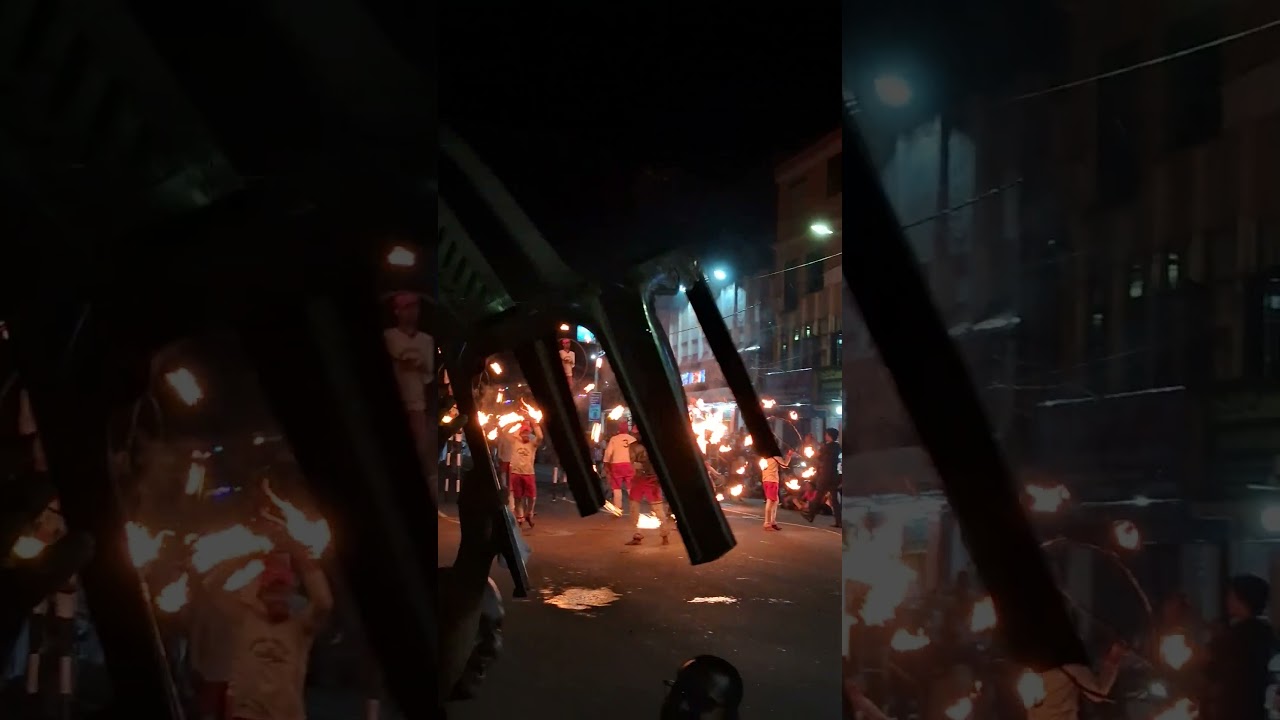
Processions, known as "peraheras" in Sinhalese, are an essential aspect of Sri Lanka's Buddhist culture. They typically involve the vibrant display of religious pageantry, with a multitude of devotees and participants coming together to honor the sacred relics of the Buddha or other revered deities. Peraheras are held on auspicious occasions, religious festivals, and in conjunction with full moon days, called "Poya" days.
One of the most famous peraheras in Sri Lanka is the "Esala Perahera," held in Kandy during the month of Esala (July/August). This grand procession is a highlight of the annual Kandy Esala Perahera Festival, attracting both locals and tourists from around the world. The sacred tooth relic of Lord Buddha, enshrined within the Temple of the Tooth Relic (Sri Dalada Maligawa) in Kandy, plays a central role in this extravagant event.
The Esala Perahera involves several stages and rituals that span over ten days. The procession begins with the "Kap Situweema," a ritual to plant a sanctified young coconut tree to mark the beginning of the festival. The main perahera features elaborately adorned elephants, traditional Kandyan dancers, drummers, flag bearers, and other participants dressed in colorful costumes.
During the procession, the tooth relic casket, known as the "Karanduwa," is carried on the back of a majestic tusker elephant, the "Maligawa Tusker." The Maligawa Tusker is highly revered and considered a symbol of honor and pride in Sri Lanka.
As the procession moves through the streets of Kandy, devotees and spectators gather to witness the sacred event. The atmosphere is electric with the sounds of drums, traditional music, and the exuberant cheers of the crowd. Many devotees offer flowers, incense, and prayers to express their veneration and seek blessings.
Apart from the Esala Perahera, several other cities and towns across Sri Lanka hold their own peraheras, showcasing unique cultural elements specific to their regions. For instance, the "Kelaniya Duruthu Perahera" in Kelaniya, near Colombo, commemorates the Buddha's visit to Sri Lanka. Similarly, the "Katharagama Esala Perahera" in Katharagama celebrates the God Skanda's (Murugan's) arrival in Sri Lanka.
The significance of peraheras extends beyond the religious realm. These processions also serve as platforms for cultural preservation and the passing down of traditional practices from one generation to another. The dance forms, costumes, and musical compositions showcased during the peraheras have been carefully preserved and passed down through the ages.
Furthermore, peraheras contribute significantly to Sri Lanka's tourism industry. The country's unique cultural heritage, combined with the religious fervor displayed in these processions, attracts a considerable number of international visitors each year. Tourists are captivated by the grandeur, artistry, and spiritual essence of the events, making it a memorable experience.
In conclusion, the Buddhist procession culture in Sri Lanka, particularly the peraheras, stands as a testament to the country's rich religious and cultural heritage. These vibrant and awe-inspiring events provide a glimpse into the deeply rooted spiritual traditions of Sri Lanka, uniting communities in devotion and celebrating the island's unique cultural identity.
#kaduruwela
2023/05/13


Информация по комментариям в разработке