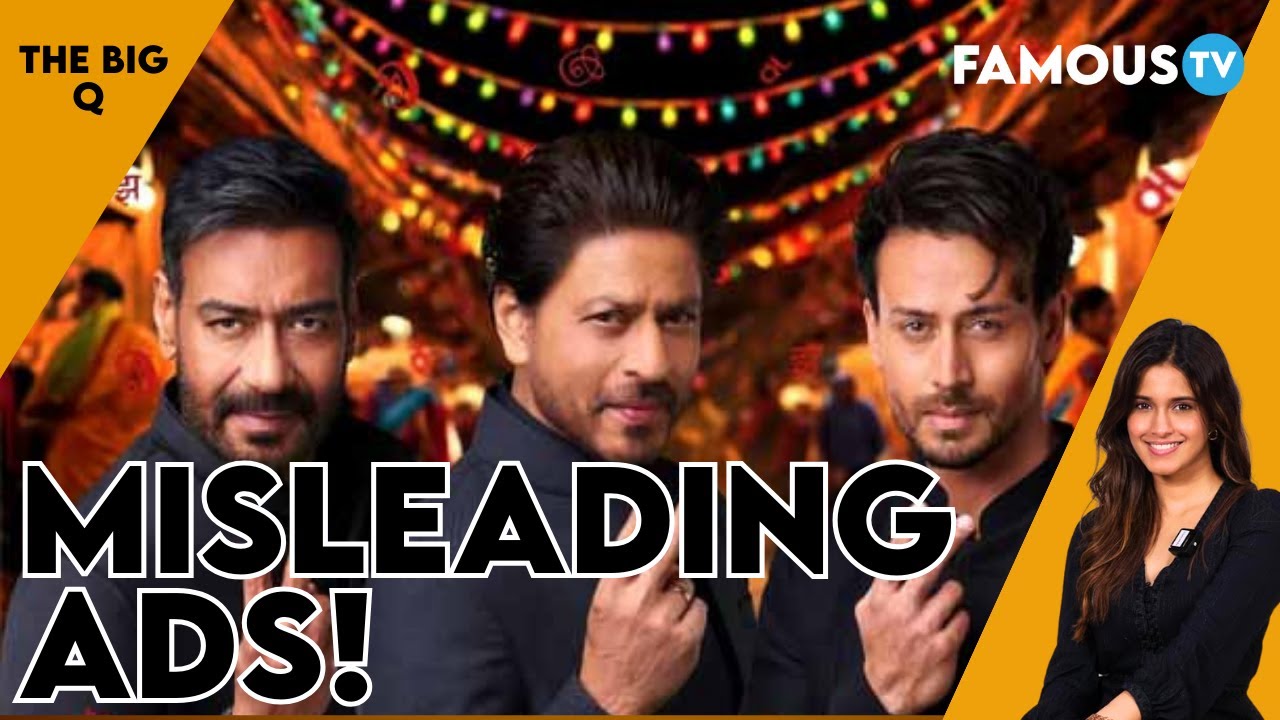
The debate is heating up - should celebrities be held accountable for misleading ads? The Indian consumer court is currently tackling this issue, with Bollywood stars Shah Rukh Khan, Ajay Devgn, and Tiger Shroff facing a legal notice for endorsing Vimal Pan Masala with a tagline that implies every grain contains saffron. The question is, do celebrities have a responsibility to ensure the products they endorse are genuine, or is it solely the manufacturer's job? With regulations in place but weak enforcement, this case could set a precedent for how brands and celebrities approach endorsements.
#famousnews #famoustv #famousshorts #panmasala #celebrities #ads #panmasalabusiness #misleadinginformation #bollywood #accountability
============================================================================== Follow us on Social Media: Facebook: / 61552615306995 Instagram: / famoustv.india Pinterest: https://pin.it/h9UWHQH Twitter: / famoustvindia
Here’s a question for you: When a big star endorses a product, do you trust it more? Would you be more likely to buy something just because your favorite celebrity tells you to?
That’s exactly the debate playing out in an Indian consumer court right now. Bollywood actors Shah Rukh Khan, Ajay Devgn, and Tiger Shroff—along with Vimal Pan Masala’s owners, J B Industries—have been served a legal notice by the District Consumer Disputes Redressal Commission, Jaipur II. The commission, led by chairman Gyarsilal Meena and member Hemlata Agarwal, has summoned them to appear on March 19. The complaint accuses the actors of “spreading false information” by endorsing the product with the tagline “Daane daane mein hai kesar ka dum,” implying that every grain contains saffron.
The Rise of Star-Powered Ads
Celebrity endorsements aren’t new. From soft drinks to fairness creams, Bollywood stars have long been the face of major brands. The logic is simple: if a famous face vouches for a product, people are more likely to buy it. But what happens when that trust is misplaced?
In recent years, pan masala brands have found their way into the mainstream, roping in A-list actors to endorse them. The ads are flashy, the cinematography is grand, and the message is carefully worded. But let’s not forget—many pan masala products contain ingredients that can be harmful. Some even carry a statutory warning: chewing tobacco is injurious to health. So, when celebrities endorse them, does it amount to misleading advertising?
The Legal and Ethical Dilemma
This isn’t the first time celebrities have faced heat for brand endorsements. A few years ago, Amitabh Bachchan distanced himself from a similar brand after public backlash. In 2019, the Supreme Court of India even asked the government to regulate such endorsements, questioning the role of celebrities in influencing consumer choices.
Now, with Shah Rukh Khan, Ajay Devgn, and Tiger Shroff in the spotlight, the question resurfaces: Should they be held accountable? The consumer court notice suggests they should. The petitioner argues that celebrities, by lending their faces to such brands, are legitimizing harmful products. But the counterargument is—are they really responsible for what’s inside the packet, or is that the manufacturer’s job?
Where Does the Buck Stop?
Regulations exist, but enforcement is weak. In theory, India’s advertising guidelines prohibit misleading endorsements. The Consumer Protection Act even allows legal action against celebrities who promote deceptive products. But in practice, very few cases have actually held stars accountable.
This case could set a precedent. If the court rules against the actors, it might change how brands and celebrities approach endorsements. If it doesn’t, the status quo remains—where star power sells, and responsibility is conveniently passed around.
So, coming back to the big question—should celebrities be held accountable for misleading ads? What do you think?

Информация по комментариям в разработке