📬 Join Dr. Goodyear’s Newsletter ➡️ https://pre-scribed.com/subscribe/
Episode Overview
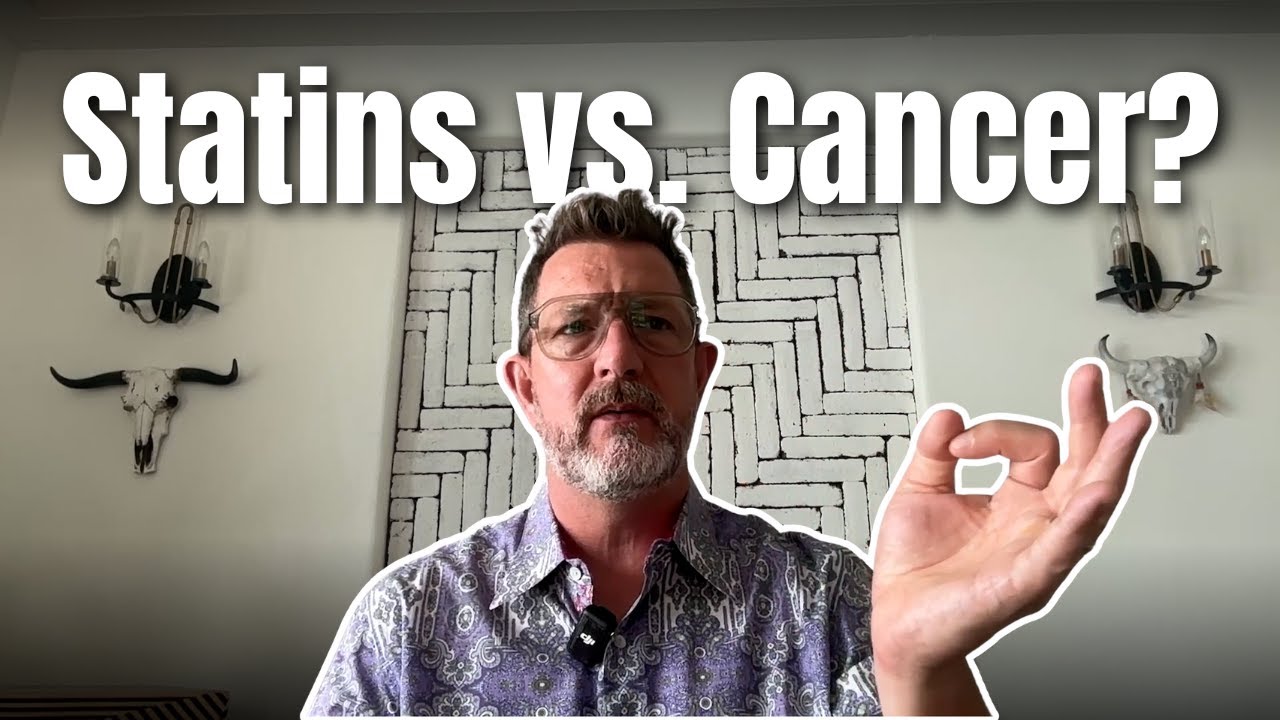
In this solo episode of the Prescribed Podcast, Dr. Nathan Goodyear takes a deep dive into the controversial yet promising role of statins as repurposed medications in cancer care. Moving beyond their conventional use in cholesterol management, Dr. Goodyear explores how statins target the tumor microenvironment, disrupt cancer metabolism, and enhance therapeutic synergy with chemotherapy, radiation, and immunotherapy. Drawing from decades of research and clinical trials, he connects the science of cholesterol homeostasis with the hallmarks of cancer, showing why precision and patient selection are critical. This isn’t just a conversation—it’s a call to action for clinicians, researchers, and patients to rethink how we use everyday drugs to fight one of the world’s deadliest diseases.
📌 Key Takeaways
Statins go beyond cholesterol control. They can disrupt cancer’s metabolic engine and interfere with tumor growth.
History matters. From the discovery of compactin to modern oncology trials, statins have evolved as more than cardiovascular drugs.
Precision targeting is key. Statins may trigger apoptosis, ferroptosis, and cell cycle arrest, but only when used with proper patient selection.
Statins impact the tumor microenvironment. They reshape hypoxia, angiogenesis, immune evasion, and inflammation to create therapeutic vulnerabilities.
Synergy improves outcomes. Statins enhance the effectiveness of chemotherapy, radiation, and immune checkpoint inhibitors.
Immune reprogramming is possible. Statins restore T-cell activity, reduce exhaustion, and improve antigen presentation.
Metastasis can be slowed. By disrupting cholesterol-driven invasion pathways, statins reduce metastatic potential in breast, prostate, and colorectal cancers.
Statins influence the gut microbiome. They alter microbial metabolites, impacting inflammation and cancer progression.
Challenges remain. Risks include insulin resistance, CoQ10 depletion, and adverse neurological effects—making monitoring essential.
Future direction: personalization. Matching statins to biomarkers like VEGF or PD-L1 expression could transform oncology treatment.
⏱️ Timestamps
0:00 - Episode Intro & Purpose
1:00 - Why revisit statins in oncology?
2:30 - Cholesterol, cancer, and the tumor microenvironment
5:00 - Historical evolution of statins in medicine
7:00 - Lab discoveries: apoptosis, cell cycle arrest, synergy
10:00 - The hallmarks of cancer and statin mechanisms
13:30 - Statins and apoptosis via Erk and IGF-1
17:00 - Ferroptosis: targeting cancer with iron
20:00 - Cancer metabolism, the Warburg effect, and statins
24:00 - Angiogenesis, hypoxia, and VEGF signaling
28:00 - Statins and immune evasion: restoring T-cell activity
32:00 - Synergy with immunotherapy and checkpoint inhibitors
36:00 - Blocking metastasis and invasion pathways
41:00 - Genomic instability, inflammation, and statins
48:00 - Tumor microenvironment niches explained
55:00 - Which statins show the strongest anti-cancer evidence?
1:00:00 - Combination strategies with chemo and radiation
1:04:00 - Risks: insulin resistance, CoQ10 depletion
1:08:00 - Statins, microbiome, and systemic inflammation
1:12:00 - Personalization and biomarker-driven treatment
1:18:00 - Conclusion: statins in precision oncology
🔔 Subscribe CTA
🔔 Subscribe for more evidence-based conversations on the future of functional medicine.
📚 Resources & Links
▶️ Watch more episodes + full show notes: https://prescribedpodcast.com
🧬 Learn more about integrative oncology: https://pre-scribed.com
📞 Schedule a consultation: https://williamscancerinstitute.com
🏥 Visit Dr. Goodyear’s clinic: https://www.drgoodyear.com
Selected References (APA style):
Demierre, M. F., Higgins, P. D., Gruber, S. B., Hawk, E., & Lippman, S. M. (2005). Statins and cancer prevention. Nature Reviews Cancer, 5(12), 930–942. https://doi.org/10.1038/nrc1751
Nielsen, S. F., Nordestgaard, B. G., & Bojesen, S. E. (2012). Statin use and reduced cancer-related mortality. New England Journal of Medicine, 367(19), 1792–1802. https://doi.org/10.1056/NEJMoa1201735
Hindler, K., Cleeland, C. S., Rivera, E., & Collard, C. D. (2006). The role of statins in cancer therapy. Oncologist, 11(3), 306–315. https://doi.org/10.1634/theoncologist...
Clinic & Socials Links
🏥 Visit Dr. Goodyear’s clinic: https://www.drgoodyear.com
📸 Follow us on Socials: https://linktr.ee/doctornathangoodyear

Информация по комментариям в разработке