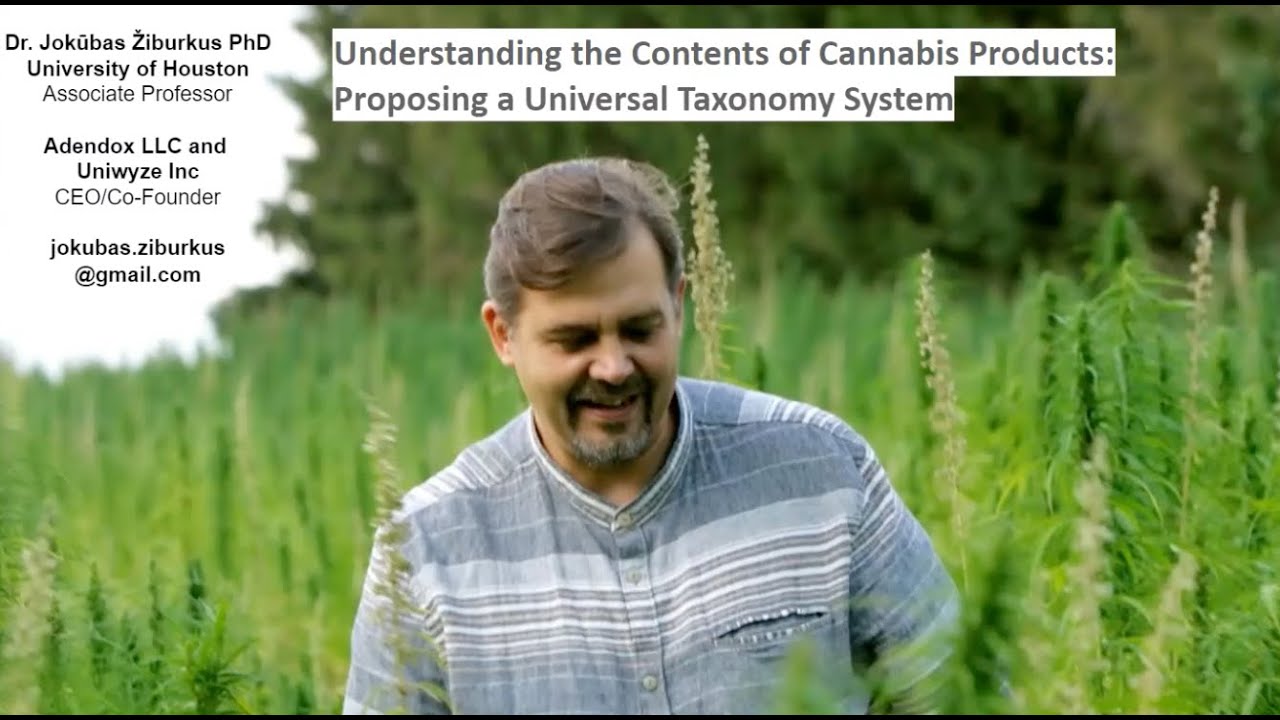
Presented By: Dr. Jokūbas Žiburkus, PhD
Speaker Biography: Dr. Jokūbas Žiburkus is an internationally renowned cannabis expert, tenured University of Houston neuroscience professor, an accomplished scientist, innovator, speaker, and entrepreneur. Currently, he is co-founder of Uniwyze, co-founder of Adendox, a private company focused on cannabis and plant-based intellectual property development, product formulation, validation, and commercialization. Adendox’s newsletter can be found at the cannabis educational platform centered around cannabis science, innovation, business, and consumer viewpoints called Bluebonnet WellnessTM Bluebonnet Wellness | Substack. He previously co-founded MediTaurus LLC, a company that developed high-end hemp-based health and wellness products in the US and EU under the brand name FloranceTM, which was acquired by a large cannabis multi-state operator, where Dr. Žiburkus served as Chief Innovation until 2020....
Webinar: Keynote Presentation: Understanding the Contents of Cannabis Products: Proposing a Universal Taxonomy System with Live Q&A
Webinar Abstract: The cannabis plant contains a complex mixture of dozens of known active ingredients, such as phytocannabinoids, terpenes, and flavonoids. The two most prevalent and famed cannabinoids in cannabis are delta 9 tetrahydrocannabinol (Δ9-THC) and non-psychotropic cannabidiol (CBD), which are biosynthesized in the plant as acids - Δ9-THCA and CBDA. The acidic cannabinoids commonly undergo non-enzymatic decarboxylation into their neutral forms during extraction, storage, or heating processes. Δ9-THCA, Δ9-THC, CBDA, and CBD are the major cannabinoids, but there are many minor cannabinoids, produced by plants to a lesser extent, at different times during the plant growth cycle. In addition to phytocannabinoids, our own bodies and brains synthesize endocannabinoid molecules. Both endocannabinoids and phytocannabinoids target cannabinoid receptors widely expressed throughout the body and the brain, but they can also interact with other receptors and neurotransmitter systems, exerting various biological and therapeutic effects. However, the current cannabinoid market is fraught with unvalidated claims and synthetic cannabinoids masquerading as natural compounds. This causes chaos for consumers and regulators, and can lead to adverse effects and experiences. To solve this problem, there is a need for new standards and a universal cannabis product system. Previous attempts at cannabis taxonomy focused on plant morphology and content and ratio of just THC and CBD, but failed to consider other important active compounds in the finished products, like terpenes. Standardization efforts are underway to address market complexities, but a comprehensive taxonomy based on active ingredients is needed to guide consumers and businesses toward informed choices in the cannabis market. One can envision future cannabis markets where products are categorized, scored, and represented based on the active ingredients in the products, rather than broad plant taxonomy segmentations (indica vs sativa) or unvalidated claims. In the near future, healthcare practitioners and consumers will be empowered with clarity regarding the sources and attributes of the ingredients in their cannabis products. This will further facilitate individualized, yet consumer-friendly approaches to cannabinoid health and recreation.
Earn PACE Credits:
1. Make sure you’re a registered member of Labroots (https://www.labroots.com/)
2. Watch the webinar on YouTube or on the Labroots Website (https://www.labroots.com/ms/webinar/k...)
3. Click Here to get your PACE credits (Expiration date – April 17, 2026): (https://www.labroots.com/credit/pace-...
Labroots on Social:
Facebook: / labrootsinc
Twitter: / labroots
LinkedIn: / labroots
Instagram: / labrootsinc
Pinterest: / labroots
SnapChat: labroots_inc















Информация по комментариям в разработке