While not flashy, funnel-weavers are unsung heroes in California's habitats, promoting natural pest management and ecological stability. If encountered, they pose no threat—simply admire their engineering from afar!
Overview of Funnel-Weavers in the Agelenidae Family
Funnel-weavers, belonging to the spider family *Agelenidae**, are a diverse group of arachnids known for their distinctive web architecture and agile hunting style. This family includes over 1,000 species worldwide, with around 111 species in North America north of Mexico, and numerous representatives in California. Common examples include grass spiders of the genus *Agelenopsis (e.g., *Agelenopsis aperta*, the desert grass spider) and house-dwelling species like the barn funnel-weaver (*Tegenaria domestica*). These spiders are typically harmless to humans, though bites from certain species (like the hobo spider, *Eratigena agrestis*) can occasionally cause mild symptoms such as redness or swelling, but they are not medically significant in most cases.
#### Key Characteristics
Agelenids are medium-sized spiders, with body lengths ranging from about 1/3 to 2/3 inch (8–17 mm), though some can reach up to 3/4 inch. They exhibit the following traits:
**Appearance**: Brownish or grayish bodies, often mottled with lighter patches or stripes. The cephalothorax (head region) usually features two longitudinal dark stripes, and the abdomen may have chevron-like patterns. Legs are long, banded, and hairy, with eight eyes arranged in two rows. Many species have prominent, elongated spinnerets at the rear, which aid in web construction.
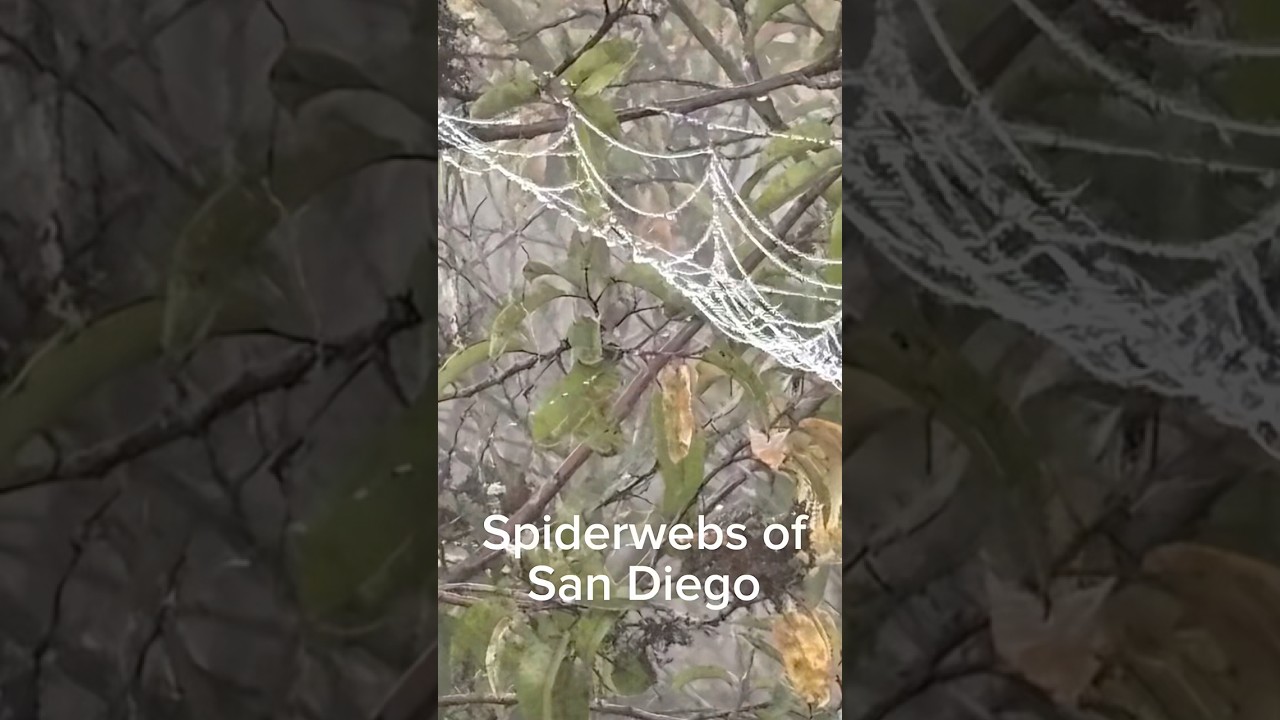
**Web Structure**: Their hallmark is the funnel-shaped web—a flat, non-sticky sheet of silk (often 1–2 feet across) that funnels into a tubular retreat where the spider hides. These webs are typically built low to the ground in grassy areas, shrubs, crevices, or sheltered spots like rock piles and woodpiles. The sheet acts as a detection net for vibrations from prey, while the funnel provides quick access for ambush.
**Behavior and Hunting**: Funnel-weavers are speedy runners, capable of bursts up to 1.73 feet per second (0.53 m/s) on their webs, relying on vision, air current sensitivity, and rapid dashes rather than sticky silk. They emerge from the funnel to subdue insects with a quick bite (venom includes studied agatoxins, like in *A. aperta*), then drag prey back to feed in seclusion. They are nocturnal and photosensitive, retreating at shadows or disturbances.
These spiders are widespread, thriving in temperate and arid environments, and are often mistaken for wolf spiders due to their ground-dwelling habits or brown recluse spiders indoors.
Role and Importance in California Habitats
California's varied ecosystems—from coastal grasslands and chaparral to deserts and urban edges—provide ideal niches for Agelenidae, with species like Agelenopsis aperta abundant in the state's southern and central regions. These spiders are integral to local biodiversity, functioning as key generalist predators in food webs.
#### Ecological Contributions
*Pest Control**: Funnel-weavers are voracious consumers of small arthropods, including flies, mosquitoes, beetles, aphids, and agricultural pests. In California's diverse habitats, they help regulate insect populations in grasslands, orchards, and gardens, reducing the need for chemical interventions. For instance, in desert scrublands, *A. aperta targets ground-dwelling insects, maintaining balance in arid food chains.
**Biodiversity Support**: As both predators and occasional prey for birds, lizards, and larger spiders, they enhance trophic dynamics. Their webs contribute to habitat structure by creating micro-environments that shelter smaller invertebrates or fungi, indirectly supporting soil health in California's Mediterranean climate zones.
**Indicator Species**: Their abundance reflects ecosystem health; declines could signal habitat degradation from urbanization, drought, or invasive species. In California, where habitats face pressures from climate change and development, Agelenids help sustain resilient, insect-mediated pollination and decomposition processes.
Overall, while not flashy, funnel-weavers are unsung heroes in California's habitats, promoting natural pest management and ecological stability. If encountered, they pose no threat—simply admire their engineering from afar!
#growingsandiego
#garden
#gardening #californiagarden #nature #californianativeplants #pollinators #pollinatorgarden
#gardenplants
#insects

Информация по комментариям в разработке