Tonight, we report from one of South America’s most volatile regions — the border between Colombia and Venezuela. Stretching more than 2,200 kilometres, this frontier has become a major security zone as tensions rise across the region.
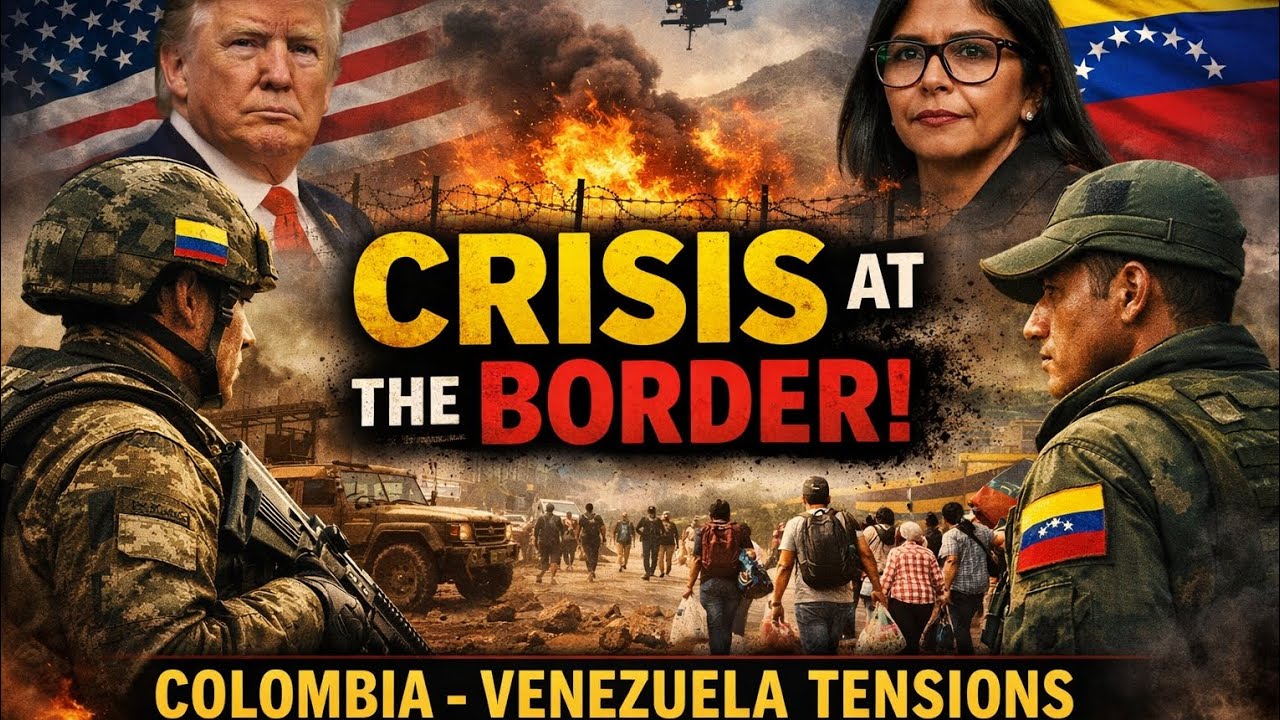
Following a recent US strike, Colombia has deployed its military and declared a state of emergency. The move has placed the entire border region on high alert, with neighbouring countries watching closely to see what happens next.
In Venezuela’s capital, Caracas, Monday morning appeared calm on the surface. Traffic flowed, shops opened, and daily life continued as usual. But beneath this sense of normality lies a nation facing a deep political and economic crisis.
Once one of South America’s wealthiest countries, Venezuela has suffered years of economic collapse under Nicolás Maduro’s leadership. Today, more than 90 per cent of the population lives in poverty, and millions struggle to meet even their most basic needs.
Ordinary Venezuelans speak cautiously, but many share the same hope — peace. After years of hardship, conflict, and instability, people say they want dignity, security, and democratic change.
Meanwhile, attention in Washington appears focused elsewhere. US officials have openly stated that American oil companies are prepared to operate in Venezuela. After announcing the arrest of Nicolás Maduro, President Donald Trump surprised observers by choosing not to push for new elections or engage with opposition leader María Corina Machado. Instead, he announced cooperation with Maduro’s vice president.
On Monday, Delcy Rodríguez, a long-time ally of the Maduro administration, was sworn in as Venezuela’s new president. Supporters say the country is now in safe hands, describing her leadership as a temporary continuation of Maduro’s rule. For many Venezuelans, however, little appears to have changed.
Years of misrule have triggered one of the world’s largest refugee crises. Since 2013, more than eight million Venezuelans have fled their country, with around three million crossing into neighbouring Colombia.
Experts suggest that if Venezuela’s vast oil wealth is used to rebuild the economy, many refugees could return — even before full democratic reforms are achieved.
Across the border in Colombia, tensions are also rising. President Trump has recently suggested that Colombia could be next, accusing its president of involvement in drug trafficking. Colombia’s democratically elected leader has rejected the claims, urging citizens to defend their country if necessary.
As uncertainty spreads across the region, millions of people continue to wait — hoping for peace, stability, and a future beyond crisis.

Информация по комментариям в разработке