Kaitag: The Endangered Caucasian Language Fighting to Survive
I love languages,Kaitag language,Kaitag Dargwa,Dargwa languages,Northeast Caucasian languages,Caucasian languages,Dagestan languages,Kaitag people,Kaytag language,North Caucasus languages,endangered languages,Russia minority languages,East Caucasian language,Dargic branch,linguistic diversity Caucasus,Kaitag pronunciation,Kaitag grammar,Kaitag vocabulary,indigenous languages Russia,rare languages of Dagestan,Caucasus mountains languages,traditional languages Dagestan,learn Kaitag
Special Thanks to Mæhæmad :)
CHAPTERS:
Introduction: 0:00 - 2:21
UDHR: 2:22 - 2:36
Numbers: 2:37 - 2:49
Greetings & Phrases: 2:50 - 3:33
Vocabulary: 3:34 - 5:01
Sample Text: 5:02 - 7:38
ˈDalhatːaj! ˈDami Andyˈbikʼor. Tsi ˈbarivdaj, ˈtsigledaj?
Good day! My name is Andy. How are you?
Let's talk about the Kaitag language.
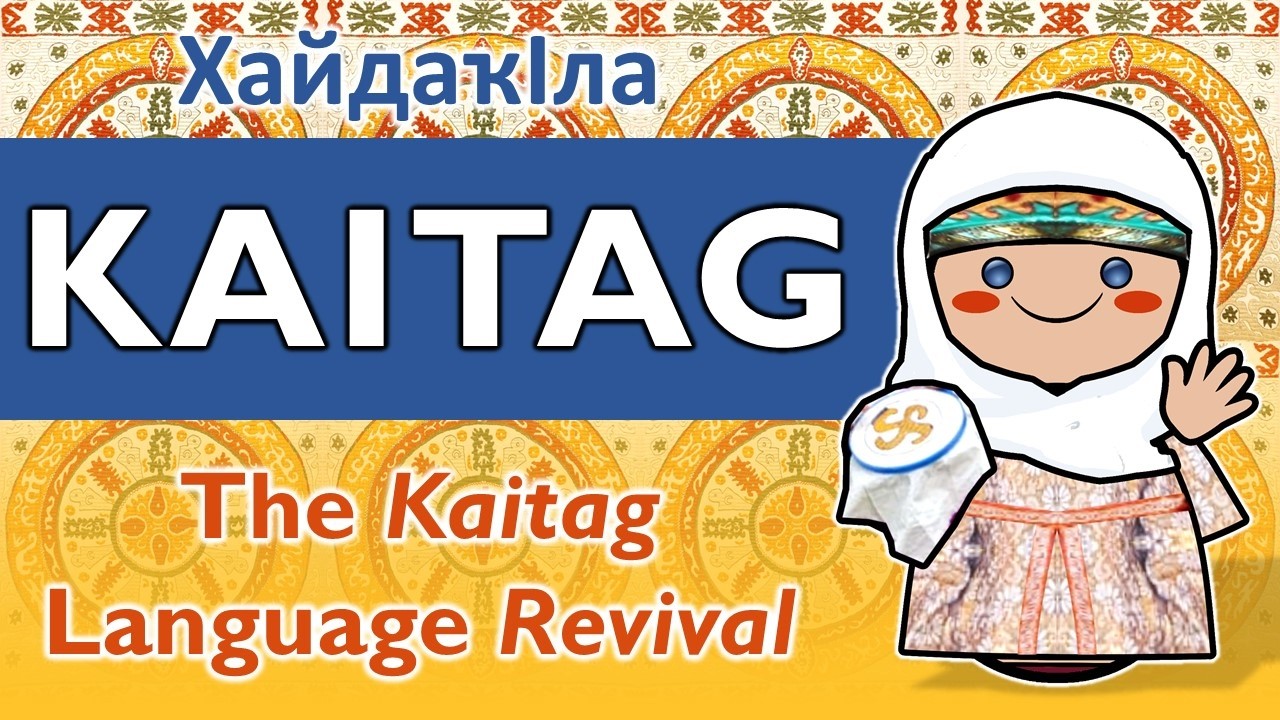
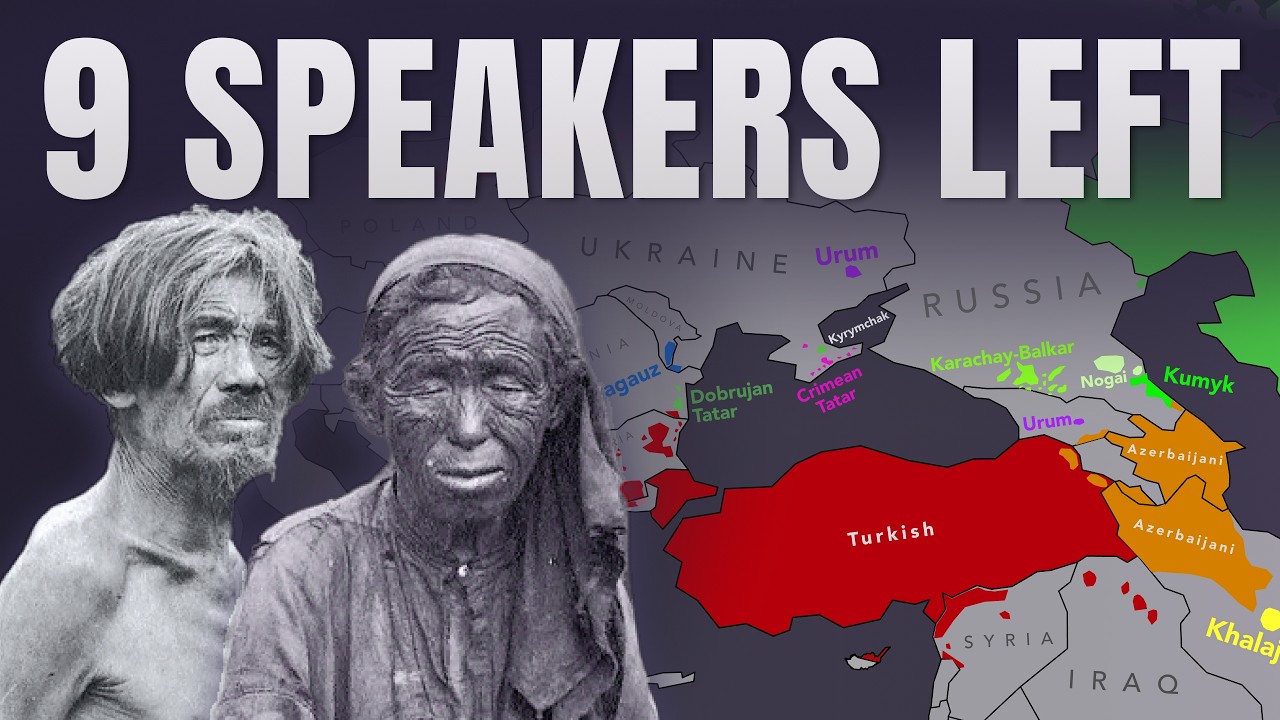
Kaitag language: Kaitag is a Northeast Caucasian language spoken by the Kaitag people in southern Dagestan, within the Russian Federation (Russia). It belongs to the Dargwic branch of the East Caucasian (Northeast Caucasian) language family, closely related to Kubachi and Dargwa . The language remains heavily under-researched and is considered severely endangered, as many speakers have shifted to Russian for education and public life, leading to declining intergenerational transmission. Recent community efforts, including the development of a writing system and cultural revival initiatives, aim to preserve and document the language before further loss occurs.
The Kaitags are an indigenous East Caucasian ethnic group residing in southern Dagestan, along the Ulluchay River. Historically, the Kaitag region was home to diverse populations, including Dargins, Kubachins, Kumyks, Turkemen, and Juhuri (Mountain Jews). By the early 20th century, Kaitags inhabited 55 mountain villages across six historical regions. The region's strategic location near the Caspian lowlands fostered cultural exchange, trade, and a unique identity. The Kaitag people developed a rich tradition of woodcraft and distinctive embroidery, with their intricate ornaments found on tombstones and textiles.
Kaitag history dates back to at least the 5th century, when they were mentioned in the "Derbent-Name" chronicle. Before the Arab conquest, they had their own kingdom, and later formed the Kaitag Utsmiate, a feudal state that endured invasions from Mongols, Tamerlane, Persians, and finally the Russian Empire, which dissolved it in the 19th century. The 20th century brought additional hardships, including deportations during World War II and discrimination against their language and culture. Despite this, the Kaitag people have preserved their identity, recently reviving their ancient embroidery craft and developing an alphabet for their language, offering hope for the future.
Welcome to my channel! This is Andy from I love languages. Let's learn different languages/dialects together.
This video is created for educational, language awareness, and language preservation purposes. It aims to provide valuable insights and knowledge to viewers, enhancing their understanding and appreciation of different languages and their unique characteristics. By raising awareness about linguistic diversity, the video seeks to foster a greater respect and recognition for various languages, particularly those that are endangered or underrepresented. Additionally, it contributes to the preservation of languages by documenting and sharing linguistic knowledge, thus ensuring that these languages and their cultural heritage are not lost to future generations.
Please feel free to subscribe to see more of this.
I hope you have a great day! Stay happy!
Please support me on Patreon!
https://www.patreon.com/user?u=16809442.
Please support me on Ko-fi
https://ko-fi.com/otipeps0124
Follow me on Instagram. See you there! ✨✨✨
@ itsmeandy24
https://www.instagram.com/itsmeandy24...
If you are interested to see your native language/dialect featured here.
Submit your recordings to otipeps24@gmail.com.
Looking forward to hearing from you!











Информация по комментариям в разработке