𝐁𝐨𝐲 𝐆𝐞𝐨𝐫𝐠𝐞: The Icon of Music and Fashion
Few names in the music industry are as synonymous with the vibrant, eclectic spirit of the 80s as Boy George. Known for his flamboyant style, soulful voice, and pioneering approach to music and fashion, Boy George remains a cultural icon whose influence transcends decades.
The Rise of Boy George
Boy George, born George Alan O'Dowd on June 14, 1961, in Eltham, London, burst onto the music scene in the early 1980s as the charismatic frontman of Culture Club. The band's unique blend of pop, reggae, and soul, coupled with George's distinctive voice and androgynous look, quickly set them apart in the burgeoning new wave scene.
Culture Club's Breakthrough:
In 1982, Culture Club released their debut album, "Kissing to Be Clever," which included the international hit "Do You Really Want to Hurt Me?" The song catapulted the band to global fame, establishing Boy George as a household name. Their follow-up album, "Colour by Numbers," featured the iconic track "Karma Chameleon," which became one of the defining songs of the decade.
Fashion Icon and Trailblazer
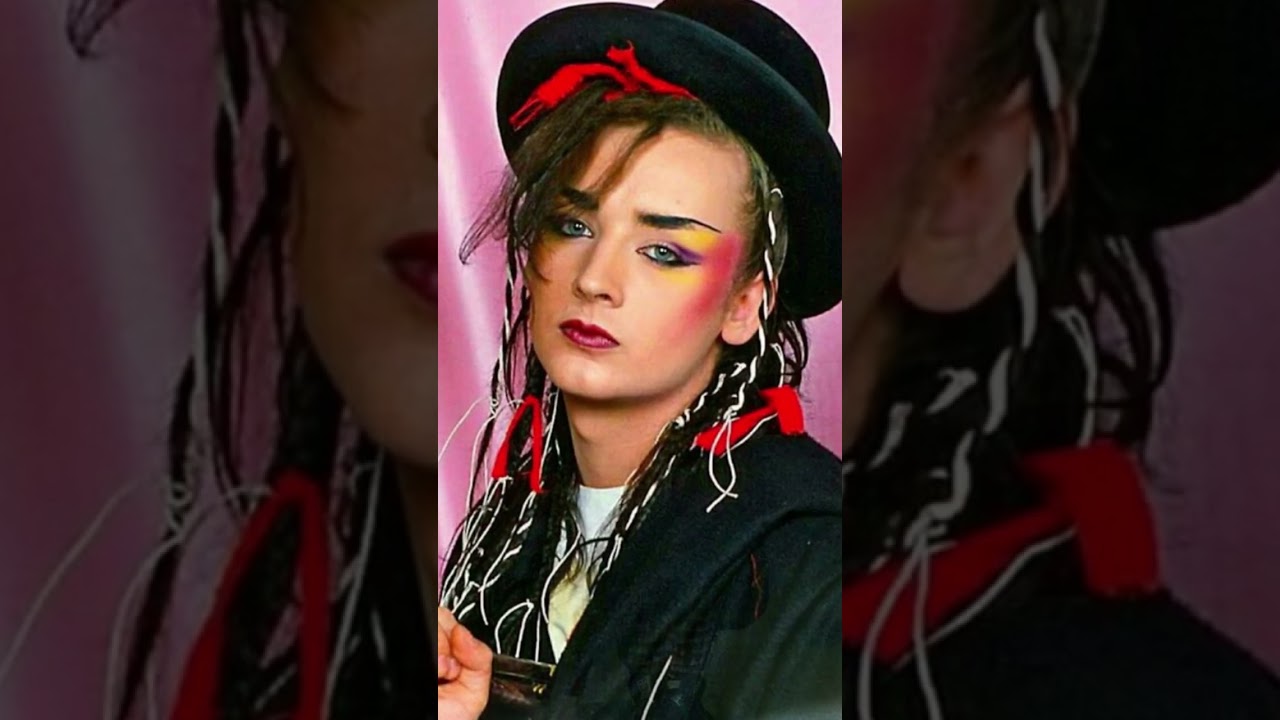
Boy George's influence extended far beyond his music. He became a fashion icon known for his bold and gender-fluid style. His eclectic wardrobe, often featuring a mix of hats, heavy makeup, and brightly colored clothing, challenged traditional gender norms and inspired a generation to embrace self-expression and individuality.
Signature Style:
Hats and Headwear: Boy George's extensive collection of hats became a signature part of his look. From oversized fedoras to elaborate headpieces, his headwear was always a focal point.
Makeup: His use of makeup, characterized by striking eyeshadow, bold eyeliner, and vibrant lipstick, pushed the boundaries of gender expression in mainstream culture.
Clothing: Mixing elements of punk, glam rock, and new romantic fashion, Boy George's outfits were a visual feast that reflected his artistic persona.
Musical Evolution
While Culture Club's popularity waned in the late 80s, Boy George's career continued to evolve. He embarked on a solo career, exploring various musical genres including electronic, dance, and acoustic. His versatility as an artist allowed him to remain relevant in an ever-changing music landscape.
Solo Highlights:
"Everything I Own" (1987): A cover of the Bread song that showcased Boy George's ability to reinterpret and breathe new life into classic tracks.
DJ Career: In the late 90s and early 2000s, Boy George found success as a DJ, blending his love for music with his keen sense of rhythm and beats.
Legacy and Influence
Boy George's impact on music and fashion is undeniable. He paved the way for future artists to explore and embrace their identities without fear of societal judgment. His fearless approach to self-expression and his ability to continuously reinvent himself have solidified his status as an enduring icon.
Cultural Impact:
LGBTQ+ Advocacy: As one of the most visible openly gay pop stars of the 80s, Boy George became an important figure in the LGBTQ+ community, using his platform to advocate for equality and acceptance.
Influence on Artists: Modern artists like Lady Gaga, Adam Lambert, and Sam Smith have cited Boy George as a major influence, drawing inspiration from his music and boundary-pushing style.

Информация по комментариям в разработке