Shah Dynasty Reforms...
The question of whether a king is needed to rule in Nepal now is a subject of ongoing debate, with the monarchy having been abolished in 2008 in favor of a federal republic. Proponents for the return of the monarchy argue that a king could provide stability and unity, while opponents highlight the benefits of the current democratic, republican system.
The Shah dynasty in Nepal implemented significant administrative, social, legal, and economic reforms over their centuries of rule, most notably under King Ram Shah in the Gorkha Kingdom and later during the unification period and the post-Rana era.
Key reforms and periods include:
Early Reforms in Gorkha (Pre-Unification)
Before the unification of Nepal, King Ram Shah (ruled 1606–1633) in Gorkha introduced groundbreaking reforms that established a strong foundation for law and order, giving rise to the popular saying, "If you don't get justice, go to Gorkha".
Standardization of Weights and Measures: He introduced a uniform system of weights and measures across the kingdom, replacing diverse local systems to facilitate fair trade.
Legal and Judicial Codes: Ram Shah formulated clear legal codes and judicial processes. He fixed the rate of interest on loans (10% in cash, 25% in kind), limited the maximum debt a creditor could claim (double the principal amount in cash if unpaid for over 10 years), and specified punishments for various crimes, including the death sentence for high officials who committed murder. He also discontinued the practice of physical mutilation as punishment.
Social Regulations: He established rules for the fair use of public water spouts and mustard seed mills by turn, minimizing disputes. He also regulated land use for cattle grazing and imposed fines for cutting down trees near roads.
Land Reforms: He granted tax remissions for four years on newly reclaimed land, encouraging the expansion of cultivation.
Reforms During and After Unification
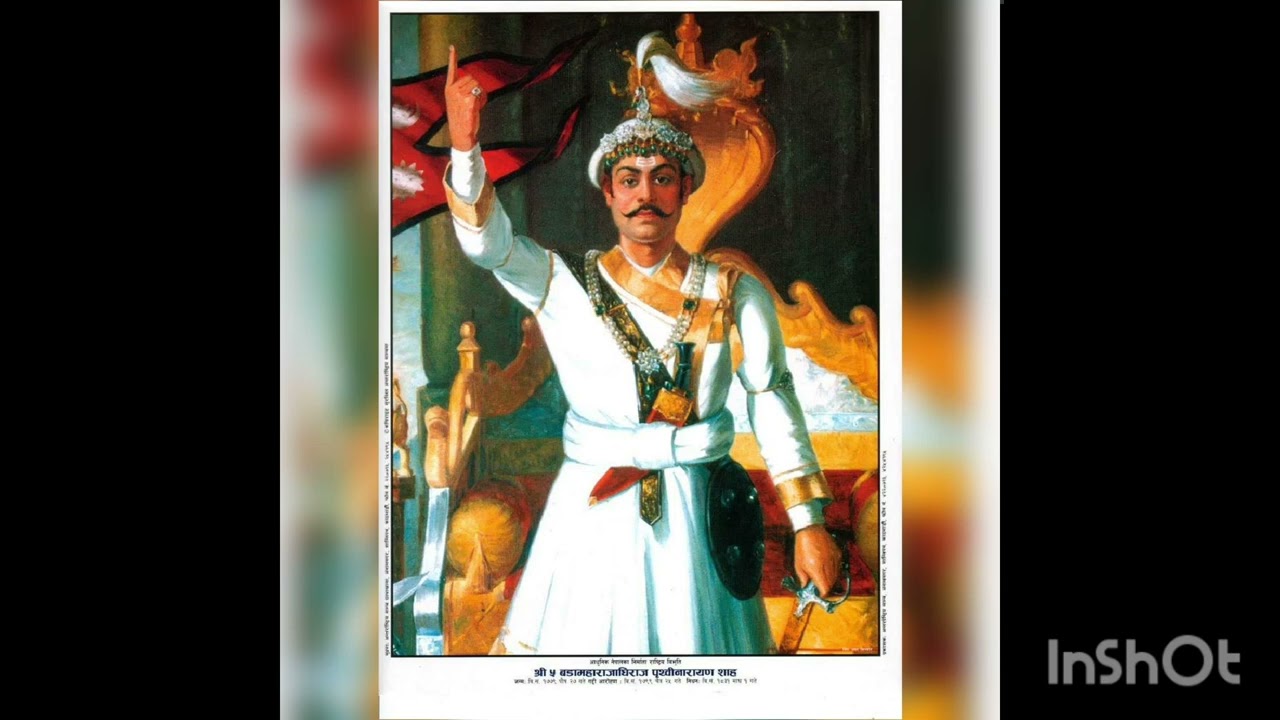
Prithvi Narayan Shah (ruled 1743-1775), the unifier of Nepal, focused on consolidating the newly formed nation and protecting its sovereignty.
National Unification and Expansion: His primary "reform" was the military and diplomatic campaign that unified numerous small, warring principalities into a single, strong nation-state, laying the foundation for modern Nepal.
Foreign Policy: He established a policy of isolation from the British East India Company, dismissing European missionaries and sealing the border to maintain independence.
Judicial System: He abolished most existing courts and established a new system of courts throughout the districts and capital, which largely remained in place until the Rana regime seized power in 1846.
Post-Rana Era Reforms (1951-2008)
After the end of the autocratic Rana regime in 1951, the Shah kings (particularly King Mahendra) introduced significant modernizing reforms while consolidating royal power.
Panchayat System (1961-1990): King Mahendra dismissed the multi-party democratic government and introduced the "partyless" Panchayat system, a hierarchical structure of governing councils that placed ultimate power with the monarch.
Socio-Economic and Legal Codes: Mahendra introduced several far-reaching socio-economic initiatives, including:
The New Civil Code (Muluki Ain) in 1963 AD, a unified legal code for the entire country.
The Land Reform Act of 1964 AD.
Initiation of a planned mechanism for national development.
Promotion of the Nepali language and "hill, Hindu, high caste Nepali" identity as national norms.
Infrastructure and Outreach: He approved plans for the east-west highway to connect the country and used annual royal tours to connect directly with subjects across the nation, expanding the central government's presence.
Later kings, such as Birendra, instituted reforms that led to the establishment of a constitutional monarchy and multi-party democracy in 1990, a system that eventually gave way to a federal democratic republic in 2008, thus ending the Shah dynasty's rule.
Arguments for the Return of the Monarchy
Supporters of a constitutional monarchy cite various reasons rooted in widespread disillusionment with the current political landscape.
Political Stability and Unity: Proponents view the monarch as a unifying symbol above partisan politics, which they argue is desperately needed given the frequent changes in coalition governments and political infighting since the republic was established.
Reduced Corruption: Many citizens associate the current republic with rampant corruption and ineffective governance and believe that a single, respected monarch might act as a check on political excesses.
Cultural and National Identity: The monarchy was historically tied to Nepal's identity as a Hindu nation and was seen as a protector of national culture and heritage. Some people feel this traditional identity is under threat and that the return of a king would restore it.

Информация по комментариям в разработке