Many people know that smoking is the No.1 cause of lung cancer, but did you know that radon gas is the second? Approximately 21,000 people each year are diagnosed with lung cancer as a direct result of radon gas. Today, I’ve got some information about what radon is, where it comes from, and how to get rid of it. The most important thing is that you are proactive about testing for the radon in your home. To learn more, watch my latest video.
Learn more: http://www.heeterrealestate.com/blog/...
Selling your Southern New Hampshire home? Check out our free home value report: http://www.heeterrealestate.com/cma/p...
Buying a Southern New Hampshire home? Search all homes for sale: http://www.heeterrealestate.com/
Dave Heeter
Heeter Home Team
20 Trafalgar Sq. Suite 101
Nashua, NH 03063
603-821-1134
[email protected]
www.heeterrealestate.com
TRANSCRIPTION:
Many people know that smoking is the No. 1 cause of lung cancer. However, a significantly smaller number of people are aware of the second leading cause—which is radon.
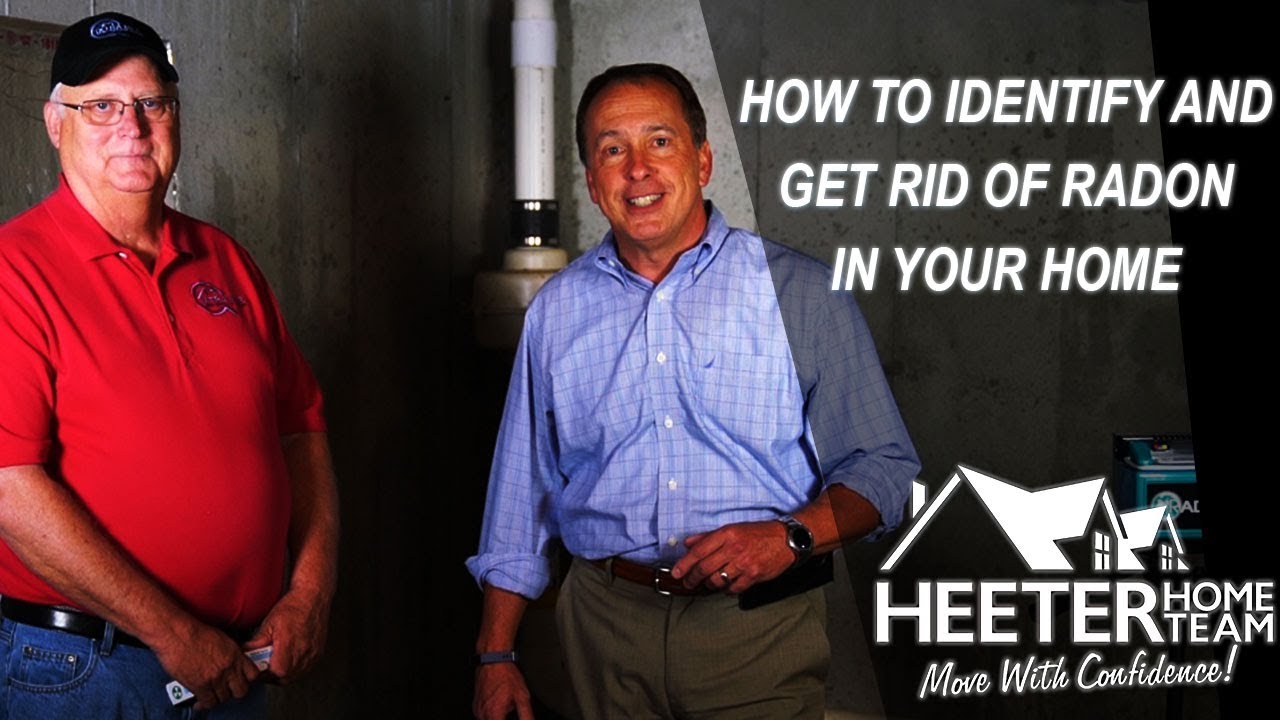
But what is radon? Where does it come from, and how can we get rid of it? To help me answer these questions and more, I was recently joined by a special guest: Jesse Stufflebeam of Xtra Mile Home Inspection Services.
Radon is an odorless, colorless, radioactive gas, which comes granite deposits in the ground. From this granite, radium is produced and eventually turns into a gas called radon.
Radon gas can be extremely harmful. Approximately 21,000 each year are diagnosed with lung cancer as a direct result of radon gas.
So, how can you test your home for its radon levels? According to Jesse, there are two ways of going about this. The first way is to go to the nearest lab and obtain a test kit. This test kit will come with two vials which you will need to set apart by about four inches apart, open, and leave to sit for approximately 48 hours.
Once you have done this, you can send the vials off to your test lab. Because a trace amount of this gas is found in all homes, the important thing is that you pay attention to the amount of gas—which will be detailed in your results.
Anything above 4.0 picoliters will need to be promptly taken care of.
The second method of testing for radon gas is by using a continuous radon monitor. This device will take measurements of the radon levels each hour. Once sufficient data has been compiled, an average will be calculated. However, ownership of this device requires certification.
So once your testing is complete, what steps can you take to get rid of the radon gas?
The first thing you’ll want to do is to contact a radon mitigation company, who will then come out to assess the basement or lower living area of your home. They will also check for, and fill, any cracks that may exist in your flooring.
Also, if you have a sump pump, they will likely fit it with a special lid to avoid further radon coming up from the ground.
Next, they will install a mitigation system—a 4-inch pipe that goes into the ground and connects to a fan that will pump radon gas out of your home. Following installation, the radon gas levels in your home should be normal within about four days.
However, after 10 years have passed from the time you installed your system, you will want to conduct another radon test to be safe.
For more information about radon gas, visit www.EPA.gov/Radon.
If you have any other questions or would like more information, feel free to give me a call or send me an email. I look forward to hearing from you soon.















Информация по комментариям в разработке