Chichester Yacht Harbour - Greater Reedmace - Typha latifolia - Cattails - Dúnkefli - Grasdúnhamar - Lókefli - Espadaña común - Dunkjevle - Bredkaveldun - Bredbladet dunhammer - Breitblättriger Rohrkolben - Piriope - Totora - Tule espidilla - Common cattail - Giant reed-mace - Bulrush - نبتة البوط - Dunhammer - Rohrkolben - Cumbungi - Great cattail - Soft-flag - Roseau des étangs - Typhaceae - Lókeflisætt - Vatnaplöntur - Vatnastrá - Skrautstrá - Sedge plant - Vatnajurtir
Chichester Harbour is one of the few remaining undeveloped coastal areas in Southern England and remains relatively wild. Its wide expanses and intricate creeks are at the same time a major wildlife haven and among some of Britain's most popular boating waters. The massive stretch of tidal flats and saltings are of outstanding ecological significance. Very large populations of wildfowl and waders use the mudflats feeding on the rich plant life and the huge populations of intertidal invertebrates. See more: http://en.wikipedia.org/wiki/Chichest...
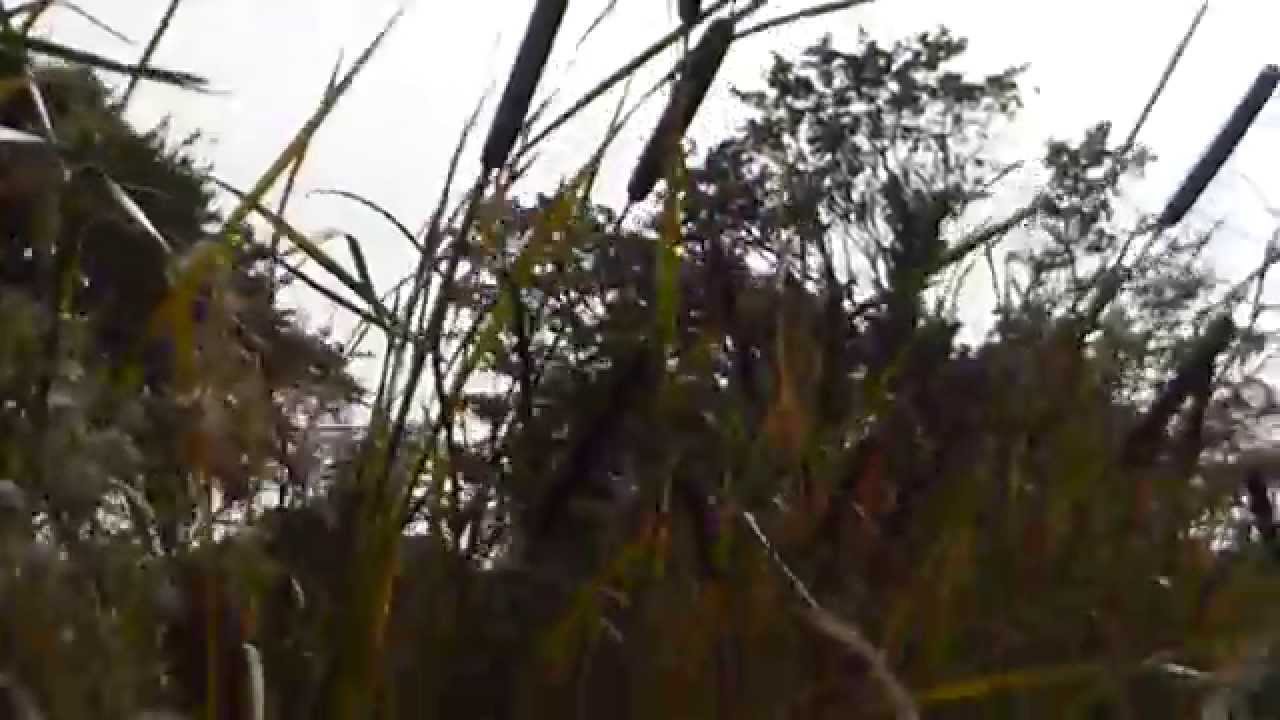
These plants have many common names. They may be known in British English as bulrush, or reedmace, in American English as cattail, catninetail, punks, or corn dog grass, in Australia as cumbungi or bulrush, in Canada as bulrush or cattail, and in New Zealand as raupō. Other taxa of plants may be known as bulrush, including some sedges in Scirpus and related genera. The rhizomes are edible. Evidence of preserved starch grains on grinding stones suggests they were eaten in Europe 30,000 years ago. Typha leaves are alternate and mostly basal on a simple, jointless stem that bears the flowering spikes. The plants are monoecious, with unisexual flowers that develop in dense racemes. The numerous male flowers form a narrow spike at the top of the vertical stem. Each male (staminate) flower is reduced to a pair of stamens and hairs, and withers once the pollen is shed. Large numbers of tiny female flowers form a dense, sausage-shaped spike on the stem below the male spike. In larger species this can be up to 30 centimetres long and 1 to 4 centimetres thick. The seeds are minute, 0.2 millimetres long, and attached to fine hairs. When ripe, the heads disintegrate into a cottony fluff from which the seeds disperse by wind. See more: http://en.wikipedia.org/wiki/Typha
Also incorrectly known as Bulrush. True Bulrush is a sedge, Schoenoplectus lacustris. In the USA, Reedmace is known as 'cattails'. A single inflorescence may produce as many as 200,000 seeds! The seeds are wind dispersed. The sterile flowers in the female heads function to keep the seeds which develop from fertile flowers as dry as possible, so that they can be effectively dispersed. In wet weather the sterile flowers swell, absorbing water in the inflorescence and protecting the seeds from becoming sodden and hence too heavy for effective wind dispersal.. In dry weather, the hairs on the pedicels spread and the inflorescence 'bursts'. The fruits drift away still attached to the hairy pedicels. If they land on dry ground, the hairs remain spread so that there is the chance they may be blown away again to reach a more suitable habitat. If the fruit lands on water, the hairs remain spread for a short time, but after a few minutes, the hairs fold back. This brings the fruit into contact with the water. When wetted, the pericarp (fruit wall) springs open, releasing the seed which immediately sinks. See more: http://www.countrysideinfo.co.uk/wetl...
A very vigorous native plant not suitable for lined ponds as the rhizomes can pierce the liner. See more: http://www.puddleplants.co.uk/Reed-ma...
Roots can be eaten raw, roasted like yams or made into a flour, a process that that will unite you with foragers down the ages – from mesolithic hunter-gatherers to aborigines today. As spring progresses, the shoots will grow rapidly – reedmace can grow to over 5 feet tall. They continue to make good eating until the woody stem of the flower spike starts to develop inside them. Steamed, stir-fried or sliced thinly through salads, they are a delicious, nutritious and versatile wild food. I have read that their flavour resembles palm hearts, but never having tried palm heart I can’t comment! - The flower spikes of reedmace can be eaten whole while still still young and green. In early summer, the top male section swells and produces pollen which is highly nutritious and can be used in place of flour for baking – or just eaten pondside as a sweet treat on a warm day. The best method to gather it is by putting a plastic bag (or a specially prepared 2 litre plastic milk container with a hole cut in it) over the flower and knocking off the pollen. See more: http://www.gallowaywildfoods.com/?pag...

Информация по комментариям в разработке