This video presents a detailed exploration of India’s largest stone labyrinth, a remarkable 15-circuit megalithic structure discovered at Khadaki village, Tuljapur tehsil, Dharashiv district, Maharashtra, situated on the Deccan Plateau.
Discovered in May 2024, this extraordinary monument—locally comparable to the concept of Chakravyuha—is dated to approximately 2,000 years Before Present, placing it within the Iron Age to Early Historic period. The structure is constructed entirely from locally sourced Deccan Trap basalt, demonstrating advanced geological understanding, precise circular geometry, and sophisticated dry-stone construction techniques.
The video integrates insights from:
Geology: Deccan Trap basalt petrology, geomorphology, soil formation, and groundwater context
Archaeology: Indian megalithic traditions, regional comparisons, and cultural chronology
Archaeoastronomy: Possible solar, lunar, and calendrical alignments of the 15 concentric circuits
Global Context: Comparative analysis with labyrinths from Scandinavia, the Mediterranean, and South Asia
Trade and Culture: Evidence suggesting links to ancient Deccan–Mediterranean trade networks during the Roman period
The Khadaki labyrinth stands apart due to its exceptional scale and complexity, surpassing previously known Indian labyrinths, which typically feature only seven circuits. Its design suggests ritual circumambulation, astronomical observation, symbolic cosmology, and possibly mortuary or commemorative functions.
This video also highlights:
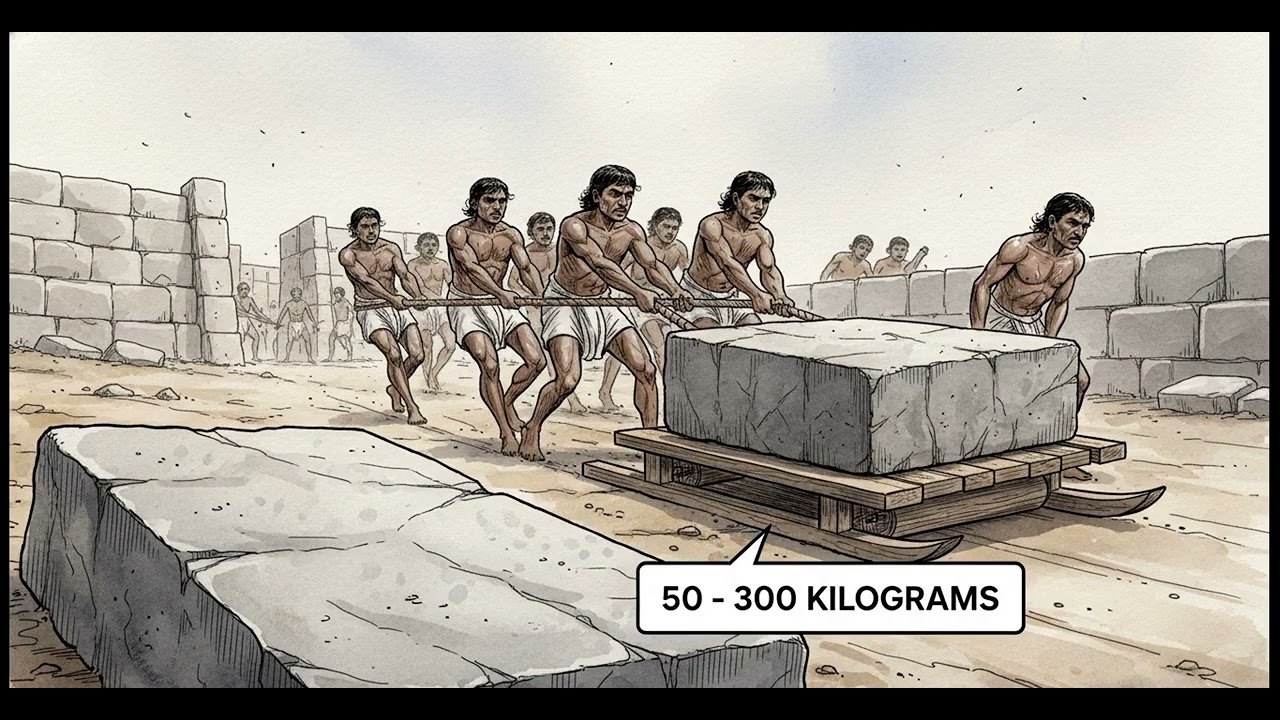
Construction techniques and labor organization
Geological factors influencing site selection and long-term preservation
Conservation challenges and heritage management needs
Future research directions, including GPR surveys, excavation, and archaeoastronomical validation
This discovery significantly reshapes our understanding of Iron Age engineering, cosmological knowledge, and cultural connectivity in the Deccan region, and positions Khadaki among the most important prehistoric stone monuments in South Asia.
#KhadakiLabyrinth #IndianMegaliths #Chakravyuha #DeccanTrap #Archaeoastronomy
#StoneLabyrinth #IronAgeIndia #Geoheritage #AncientIndia #MaharashtraHeritage
या व्हिडिओमध्ये आपण महाराष्ट्रातील धाराशिव जिल्ह्यातील तुळजापूर तालुक्यातील खडकी गावात सापडलेल्या भारतातील सर्वात मोठ्या दगडी भूलभुलैय्या (चक्रव्यूह) बद्दल सविस्तर माहिती पाहणार आहोत.
ही अद्भुत रचना मे २०२४ मध्ये शोधली गेली असून सुमारे २००० वर्षांपूर्वीची (लोहयुगीन – प्रारंभिक ऐतिहासिक काळातील) असल्याचे संशोधनातून स्पष्ट होते. या भूलभुलैय्यामध्ये १५ गोलाकार वर्तुळे (फेऱ्या) असून ती पूर्णपणे डेक्कन ट्रॅपच्या स्थानिक बेसॉल्ट दगडांपासून बांधलेली आहे.
या व्हिडिओमध्ये पुढील बाबी सोप्या भाषेत समजावून सांगितल्या आहेत:
खडकी येथील दगडी भूलभुलैय्याचा इतिहास आणि शोध
दगडांची निवड, रचना आणि बांधकाम पद्धत
भारतीय मेगालिथिक (प्राचीन दगडी) परंपरेतील या रचनेचे महत्त्व
सूर्य, चंद्र आणि ऋतूंच्या हालचालींशी असलेले संभाव्य खगोलशास्त्रीय संबंध
धार्मिक, सांस्कृतिक आणि विधीपर उपयोग (चक्रव्यूह संकल्पना)
प्राचीन व्यापार मार्गांशी असलेले संभाव्य संबंध
जगातील इतर देशांतील भूलभुलैय्यांशी तुलना
या ऐतिहासिक वारशाचे संरक्षण का आवश्यक आहे
भारतामध्ये आजवर सापडलेल्या भूलभुलैय्यांमध्ये १५ वर्तुळे असलेली ही रचना सर्वात मोठी आणि अत्यंत दुर्मिळ आहे. त्यामुळे ही रचना भारतीय इतिहास, भूशास्त्र आणि संस्कृती यांचा अनोखा संगम दर्शवते.
हा व्हिडिओ विद्यार्थी, संशोधक, इतिहासप्रेमी, भूशास्त्र अभ्यासक तसेच सर्वसामान्य नागरिकांसाठी उपयुक्त आहे.
#खडकीभूलभुलैया #चक्रव्यूह #भारतीयइतिहास
#मेगालिथिकसंस्कृती #डेक्कनट्रॅप #प्राचीनभारत
#धाराशिव #महाराष्ट्रवारसा #भूशास्त्र

Информация по комментариям в разработке