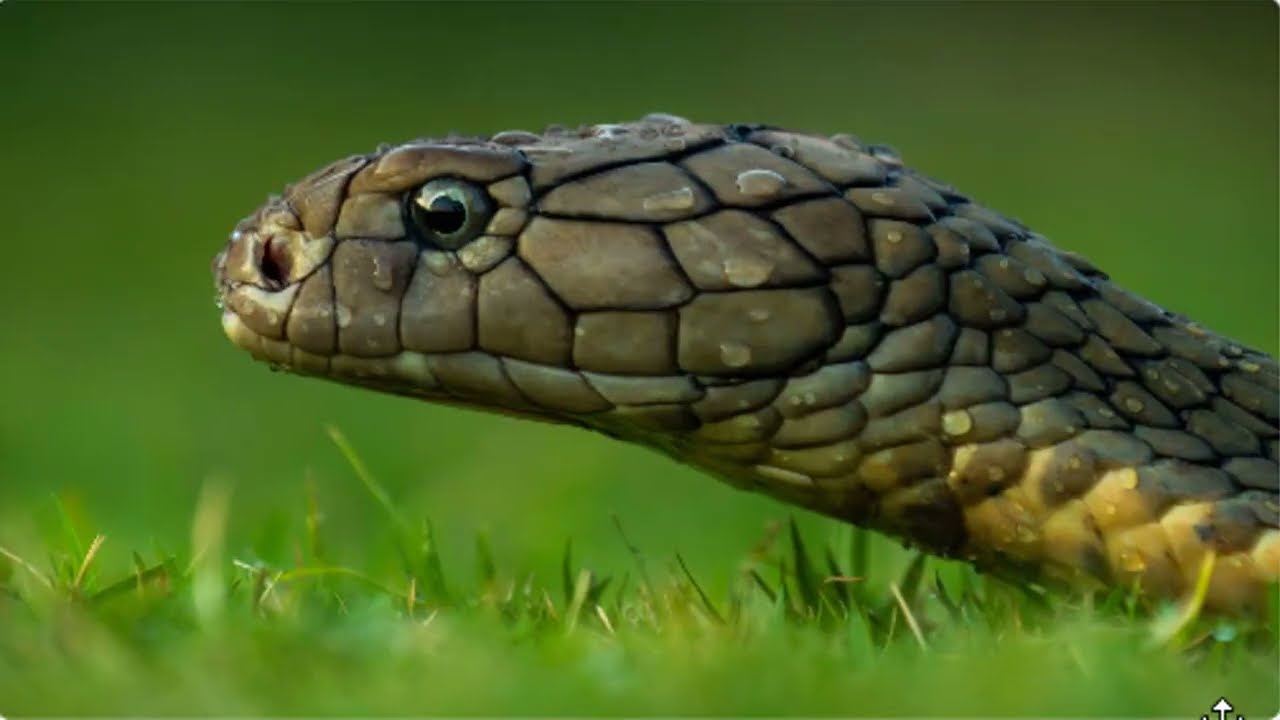
Facts about king cobra and Its venom. King Cobra (Ophiophagus hannah) is the largest venomous snake in the world, capable of reaching lengths of up to 18 feet (5.5 meters). They are native to the forests and plains of Southeast Asia and parts of the Indian subcontinent.
Despite its name, the king cobra is not a "true" cobra and belongs to a different genus (Ophiophagus). Its name "Ophiophagus" translates to "snake-eater," reflecting its preference for feeding on other snakes, including other venomous species.
The venom of the king cobra is highly potent and primarily neurotoxic. It contains a mix of proteins that target the nervous system, affecting nerve cells and disrupting their communication with muscles, leading to paralysis.
Unlike some venomous snakes that strike and then release their prey, the king cobra delivers a series of rapid and lethal bites, injecting a significant amount of venom in each strike.
The venom of the king cobra can cause both local effects at the bite site, such as pain, swelling, and tissue damage, as well as systemic effects like difficulty breathing, dizziness, and even loss of consciousness.
The LD50 (lethal dose for 50% of test subjects) of king cobra venom is relatively low, making it one of the deadliest snake venoms. However, fatalities from king cobra bites are relatively rare due to their non-aggressive nature and the availability of antivenom.
King cobras are generally shy and elusive snakes, preferring to avoid human contact. They will usually only become aggressive if they feel threatened or cornered.
The "hooding" behavior of the king cobra is an iconic display where they spread their neck ribs to appear larger and more intimidating when threatened. It's an adaptation to deter potential predators.
King cobras are skilled hunters, using their keen eyesight and forked tongue to track down prey, which mainly consists of other snakes, lizards, and small mammals.
Female king cobras are excellent caregivers. They build nests, usually in termite mounds or decaying vegetation, where they lay their eggs and remain to guard them until they hatch. Once the hatchlings emerge, they are independent and receive no parental care.
The conservation status of king cobras is a concern due to habitat loss and illegal trade. They are protected by national and international laws, including the Convention on International Trade in Endangered Species of Wild Fauna and Flora (CITES).
Keywords:
King Cobra facts,
World's largest venomous snake,
Deadly snake species,
Venomous snake bites,
King Cobra's behavior,
Incredible snake facts,
Snake-eating snake,
King Cobra neurotoxin,
Rare snake species,
Snake venom potency,
Wild snake encounters,
Venomous reptiles of Southeast Asia,
Snake conservation efforts,
Exploring snake habitats,
Fascinating reptile world,
If you encounter a king cobra or any other venomous snake in the wild, it is crucial to keep a safe distance and not provoke or handle the snake. Seek professional help if you suspect someone has been bitten, and always respect wildlife and their natural habitats.













Информация по комментариям в разработке