BIBCO 2017 receives overwhelming response
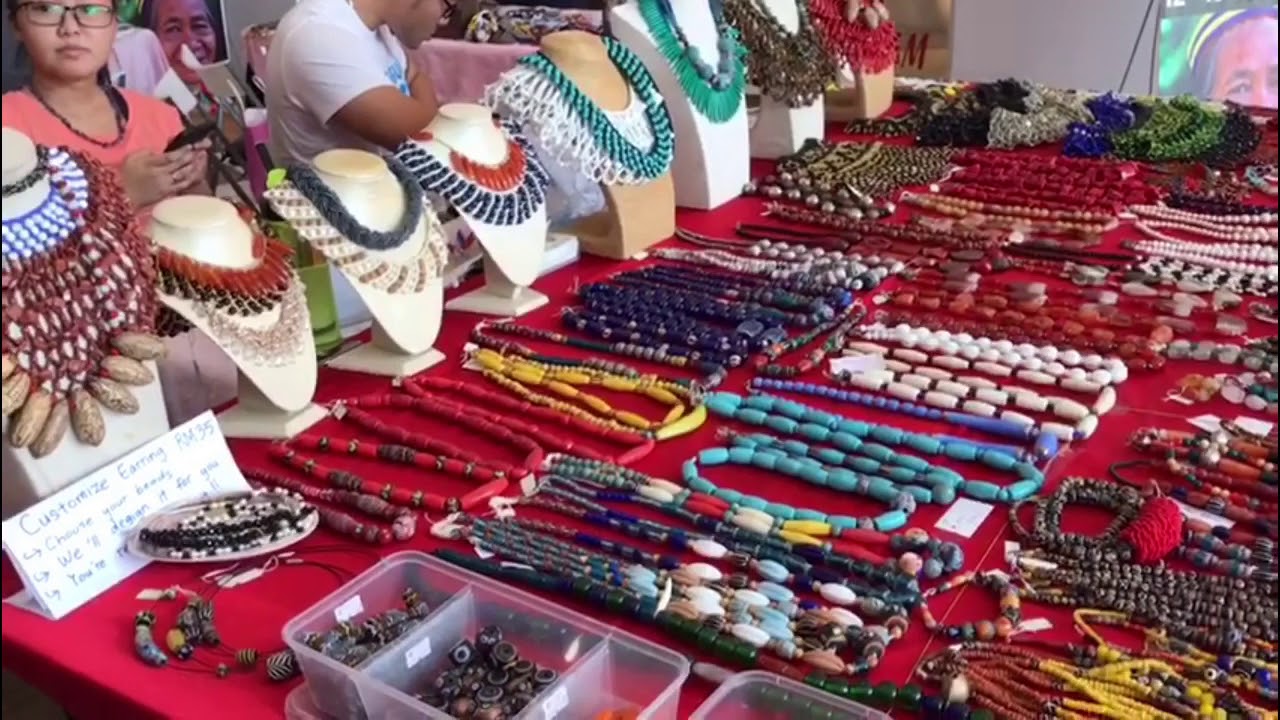
KUCHING, Oct 14: The ongoing Borneo International Beads Conference (BIBCO) 2017 here received overwhelming response from international participants, turning it into a prestigious conference in the international scene.
Its director Heidi Munan said the fifth edition of the BIBCO this year gathered some 150 participants ranging from researchers, designers, anthropologists, archaeologists, experts, businessman, or simply tourists with mutual interest in beads.
She said through the three-day conference that started yesterday, locals and visitors can share and exchange knowledge about beads lore, trade, history and related science.
“The conference consists of two main segments, the conferences where all the working papers are presented, or talks by speakers from various countries; and then there are workshops where you can see people working on something related to beads – like twisting, folding things and other stuff,” she told Bernama when met at the conference at the Waterfront hotel here today.
Among the invited speakers were An Jias Yau (China), Bunchar Pongpanish (Thailand), Emmanuel Osakue (Nigeria), Floor Kaspers (Netherlands) John Miksic (Singapore) Margeret Mueller (Australia) Masrilee Wood (USA) and Pam Annesley (Australia).
Heidi has a very ‘long story’ to tell when she was asked about the difference between the foreign beads and the local beads, or also called Borneo beads.
Looking at its history, she said beads were brought here more than a millennium ago by traders from China, India, West Asia, and the locals valued the accessories very much because at that time people “don’t value much something that they can make themselves”.
She said time passed-by, the local started making beads by themselves using local material such as clay, glass, ceramics or recyclable items. Now, the value is in the creativity,” she said.
“I like the idea of recycling. Once I saw in southern Philippines, they make beads from used toothbrush handles. They melt it, and turned it into nice colourful beads, and sell it to traders in Sabah, because Sabah have more tourists. You see, recycling is a big thing,” she said.

Информация по комментариям в разработке