🌬️ How Breathing Rate Is Controlled During Exercise: Neural and Chemical Regulation 🌬️
In today’s video, we’re exploring the fascinating science behind how our breathing rate adjusts during exercise. From the brain’s respiratory centre to specialized sensors in the body, neural and chemical mechanisms work together to ensure that we get enough oxygen and remove carbon dioxide (CO₂) efficiently. Let’s dive into how these processes help athletes optimize performance and sustain energy during intense activity! 🏋️♂️
Neural Control: The Brain’s Role in Breathing
At the heart of breathing control is the medulla oblongata, a section of the brainstem that acts as the primary respiratory centre. Here’s how it works:
1️⃣ Medulla Oblongata – The Respiratory Centre
The medulla oblongata constantly monitors the body’s oxygen demands. When you start exercising, the brain signals the respiratory muscles—like the diaphragm and intercostal muscles—to increase breathing rate and depth. By increasing the frequency and intensity of breaths, the body can deliver more oxygen to working muscles, supporting endurance and delaying fatigue. 🧠
2️⃣ Automatic Adjustments
During exercise, the medulla receives input from various parts of the body, like muscles and joints, signalling that physical activity has begun. This feedback prompts the medulla to adjust breathing in real-time, helping athletes adapt their breathing patterns according to the intensity of their workout.
Neural control ensures breathing adapts quickly, helping supply more oxygen to muscles during high-intensity activities like running, cycling, and swimming. Efficient neural regulation allows athletes to push harder while keeping their energy levels up. 🌬️
Chemical Control: The Role of Chemoreceptors
In addition to the brain’s neural response, chemical control is a critical factor in adjusting breathing rate. This process relies on chemoreceptors—special sensors in the body that detect changes in CO₂ and blood pH:
1️⃣ Chemoreceptors Detecting CO₂ Levels
As exercise intensity rises, muscles produce more carbon dioxide (CO₂) as a by-product. When CO₂ levels increase, chemoreceptors in the carotid arteries and aorta detect the change and send signals to the medulla, urging it to increase breathing rate. This helps eliminate excess CO₂ and bring in fresh oxygen, keeping muscles fueled. 🩸
2️⃣ Blood pH and Acid-Base Balance
CO₂ buildup also leads to a drop in blood pH, making the blood more acidic. Chemoreceptors are sensitive to these pH changes and alert the respiratory center when acid levels rise. By increasing breathing rate, the body expels more CO₂, helping to balance pH levels and maintain optimal performance. When CO₂ levels are managed efficiently, muscles can work harder and longer, supporting endurance activities and high-intensity workouts. 💥
Why Is Breathing Control Important for Athletes?
Efficient breathing control allows athletes to perform at their best, whether in endurance sports or high-intensity activities:
Improved Oxygen Delivery: The faster and more efficiently oxygen reaches working muscles, the better athletes can sustain their energy.
Enhanced Endurance: Proper CO₂ regulation prevents fatigue and allows athletes to maintain high-intensity effort for longer.
Faster Recovery: By quickly removing CO₂ and rebalancing pH, athletes can recover between intense intervals, aiding overall performance and reducing downtime.
Both neural and chemical responses are crucial in regulating breathing, allowing athletes to match their body’s oxygen needs with the demands of exercise. By understanding how these systems work, athletes can optimize their respiratory efficiency for stronger, more consistent performance. 🏆
Tips for Enhancing Breathing Efficiency During Exercise
1️⃣ Practice Deep, Controlled Breathing – Learning to breathe deeply and consistently supports better oxygen delivery and CO₂ removal, especially during high-intensity sessions.
2️⃣ Focus on Proper Warm-Ups – Including breathing exercises in warm-ups primes the respiratory system, helping regulate breathing rates and boost oxygen delivery early on.
3️⃣ Stay Hydrated – Proper hydration supports efficient blood flow and helps maintain pH balance, which is especially helpful in preventing fatigue during prolonged exercise.
Watch the Full Video Now!
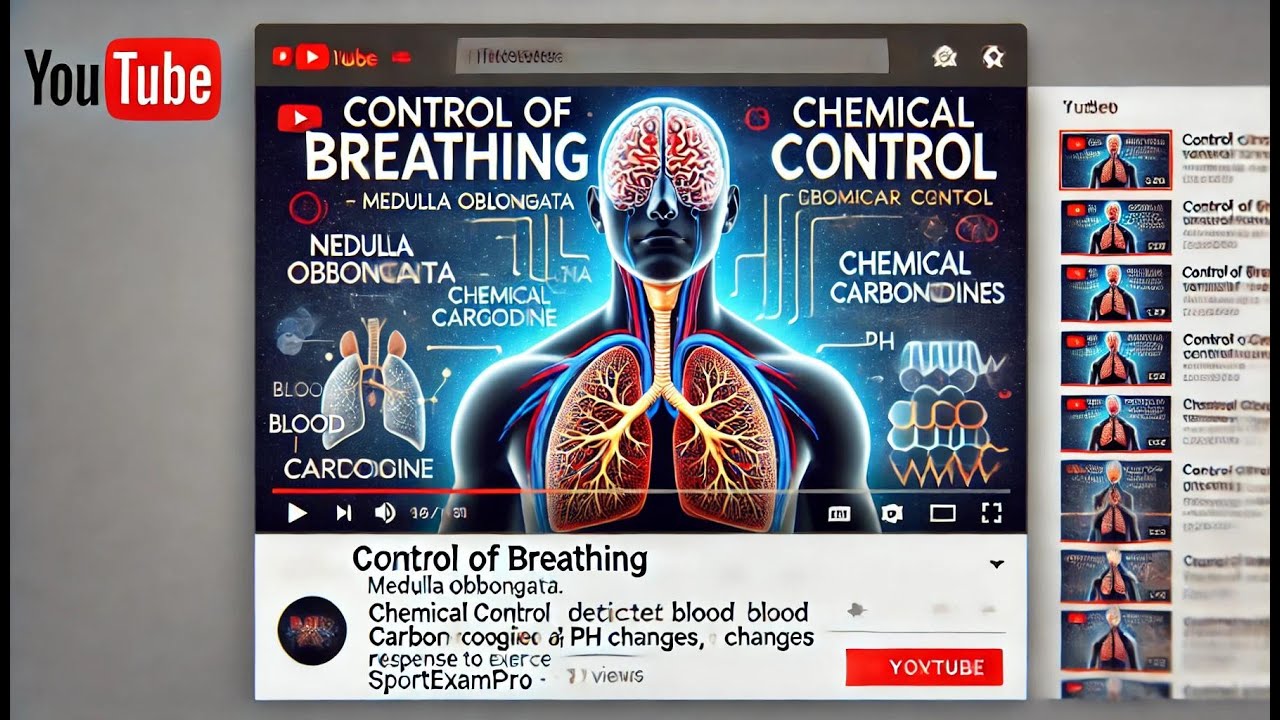
In this video, we dive deep into how the medulla oblongata and chemoreceptors work together to regulate breathing in response to exercise. 📺
Got questions? Drop them in the comments below! Don’t forget to like, subscribe, and hit the notification bell for more sports science insights and training tips! 🚀
👉 Follow @SportExamPro for more sports science insights, anatomy tips, and performance hacks!
#BreathingControl #NeuralControl #Chemoreceptors #RespiratorySystem #SportsPerformance #EnduranceTraining #SportExamPro #HumanAnatomy #OxygenFlow #ExerciseScience #PeakPerformance #AthleteTips #CO2Control #FitnessPerformance #AnatomyForAthletes

Информация по комментариям в разработке