Logo video2dn
  • Сохранить видео с ютуба
  • Категории
    • Музыка
    • Кино и Анимация
    • Автомобили
    • Животные
    • Спорт
    • Путешествия
    • Игры
    • Люди и Блоги
    • Юмор
    • Развлечения
    • Новости и Политика
    • Howto и Стиль
    • Diy своими руками
    • Образование
    • Наука и Технологии
    • Некоммерческие Организации
  • О сайте

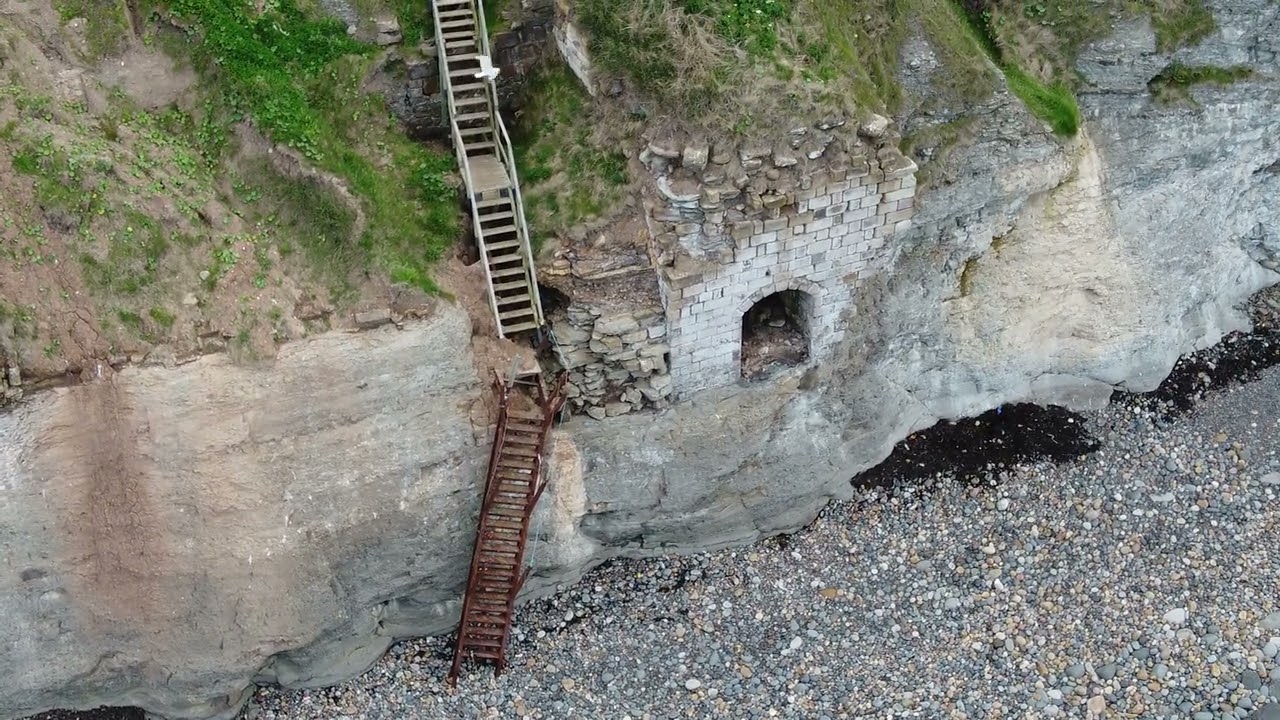
Скачать или смотреть Loftus alum works and collapsed stairway

  • dirk dredger
  • 2022-07-21
  • 76
Loftus alum works and collapsed stairway
hummersealoftuswhitbystaithes
  • ok logo

Скачать Loftus alum works and collapsed stairway бесплатно в качестве 4к (2к / 1080p)

У нас вы можете скачать бесплатно Loftus alum works and collapsed stairway или посмотреть видео с ютуба в максимальном доступном качестве.

Для скачивания выберите вариант из формы ниже:

  • Информация по загрузке:

Cкачать музыку Loftus alum works and collapsed stairway бесплатно в формате MP3:

Если иконки загрузки не отобразились, ПОЖАЛУЙСТА, НАЖМИТЕ ЗДЕСЬ или обновите страницу
Если у вас возникли трудности с загрузкой, пожалуйста, свяжитесь с нами по контактам, указанным в нижней части страницы.
Спасибо за использование сервиса video2dn.com

Описание к видео Loftus alum works and collapsed stairway

ALUM QUARRY (Post Medieval - 1540 AD to 1900 AD)

Couple of interesting links here

https://heritagerecords.nationaltrust...

http://www.image-archive.org.uk/?cat=...

This extensive quarry complex contains a number of features assoicated with the production and storage of alum liqour, which are separately recorded.

From Marshall, 1993

"The Loftus alum quarry is a linear feature slightly more than a kilometer in length, varying in width between 240 and 320 metres, and located approximately two kilometers north-east of the village of Loftus. It lies on the immediate cliff edge with its top edge about 180m above the boulder/rock wave-cut platform, which it overlooks to the north. To the east it is abutted by the former Boulby alum works, separated only by a short spur of unquarried ground. To the west lies scrubby coastal cliff, the uneven appearance of which has partly resulted from dumping of quarry overburden.

Quarrying has taken place to a maximum depth of about 77 metres when measured from the back (south) to the front (north or seaward) edge of the quarry. This is not achieved as a single vertical descent, but rather as a series of several steps descending to the seaward edge. There are varaiations in the depths of these steps along the length of the quarry but a basic pattern of formation can be identified. The uppermost level represents the actual face cut into the grey alum shale…

Below this floor there was a second veritical face cut into grey shale to an average depth of about 15 metres. The shale cut from the face may have been utilised, but the intention was primarily to creat a point from which the shale quarried at the face could be tipped downwards to for a calcining clamp on the floor. The intention of course was always to work with gravity wherever possible….

There is a third level on the immediate seaward edge of the quarry, formed by subsequent mining of the jet shale which underlies the alum shale. This has taken place along the entire length of the quarry…. Some of the jet shale has been burnt to a bright red colour as a consequence of spontaneous ignition, and not as a consequence of calcining the alum shale.

The Loftus alum quarry is undoubtedly of great importance because these differing levels illustrate so vividly the technique of primary processing involving quarrying, calcining and steeping of the alum shaple to produce the alum liquor."

The Loftus quarry was probably commenced by Zacherie Stewart in 1656 or 1657. It closed in 1871.

From the NMR record - Between July and November 2003, English Heritage carried out a detailed field investigation and survey of the Loftus Alum Works (NZ 71 NW 23). The quarries of Loftus Alum Works were in operation from the late 1650s until the 1860s. They occupy an area on the cliff-edge approximately 1km in length and form 5 distinct areas, each of which displays 2 or 3 levels of shale extraction. Some have large spoil heaps associated with them. It is possible that the shale was calcined (roasted in large heaps) within the large level areas created by the quarrying, although no direct evidence of this survives. In some of the quarry floors, there is evidence of steeping pits, where the roasted shale would have been steeped in water to form the alum liquor. The pits were constructed of worked sandstone blocks, but many of these have subsequently been robbed, and few structures now survive on the site. A full report on the level 3 investigation, which includes full description and analysis, plans at 1:1000, photographs and interpretative drawings, is available through the NMR. The remainder of the archive material is also available. (1) (OAN 02/01/06) The separate archaeological features have not as yet been allocated new NMR numbers, therefore these cannot be given NTSMR numbers.

Комментарии

Информация по комментариям в разработке

Похожие видео

  • О нас
  • Контакты
  • Отказ от ответственности - Disclaimer
  • Условия использования сайта - TOS
  • Политика конфиденциальности

video2dn Copyright © 2023 - 2025

Контакты для правообладателей [email protected]