At the heart of the sprawling Subukia Marian Shrine in Nakuru County, where thousands of pilgrims gather each year for the National Prayer Day, one figure has become as legendary as the prayers themselves—a frail, grey-haired man whose boundless joy defies the years.
For as long as many can remember, the faithful have come to expect not just solemn hymns and whispered devotions, but also the unmistakable sight of an elderly man who dances with the spirit of a child. Known simply as Mzee, he has become a living symbol of devotion and celebration, embodying the belief that prayer and joy are inextricably linked.
Despite his advanced age, Mzee never misses the pilgrimage. The steep paths leading to the “Hill of Prayer” do not deter him, nor does the scorching sun or the chill of dawn. Instead, he arrives with the same unwavering enthusiasm year after year, clad in his simple attire, leaning on his stick at first, but abandoning it once the music starts.
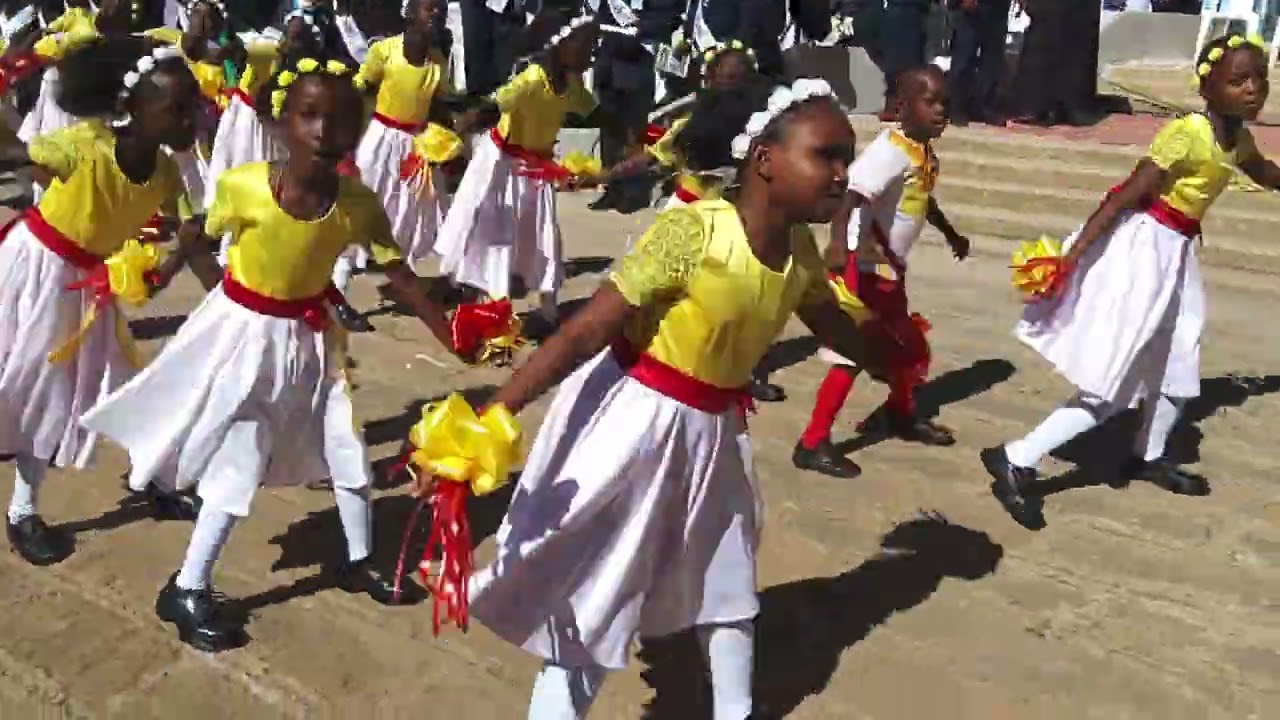
When the children’s dance troupe takes to the stage, Mzee slips into the crowd of performers. What follows is a spectacle that never fails to capture the hearts of those present. He twirls, claps, and shuffles his feet with surprising agility, his wrinkled face glowing with delight. At times he mimics the children’s moves, at other times, he invents his own, drawing laughter, cheers, and applause from the audience.
“It’s like watching hope come alive,” said one pilgrim, shaking his head in disbelief. “Every year, I look forward to him more than anything else. His joy is contagious.”
What makes Mzee remarkable is not just his dance, but the deeper story it tells. To many, his performance is a reminder that faith is not bound by age, and that devotion is best expressed with both body and soul. Where others may see prayer only in quiet kneeling, Mzee sees it also in the freedom of dance.
During last year’s celebration, as the bishops led solemn prayers for peace, unity, and good governance, Mzee’s antics provided a lighter but no less meaningful counterpoint. He seemed to declare, without words, that hope is sustained not only through petitions to heaven but also through laughter and joy shared among pilgrims.
Children flock to him as if he were one of them, tugging at his hands and encouraging him to join in their routines. Adults watch with admiration, some even daring to step forward and follow his lead. In these moments, the divisions of age, class, and background blur into the universal language of joy.
Mzee rarely speaks much to reporters or pilgrims, preferring to let his actions speak. However, those close to him say he has always been a devout Catholic, never missing Mass and never failing to attend National Prayer Day.
“He is a true witness of faith,” said one catechist at the shrine. “When you see him dance, you realise faith is not just about duty. It is also about celebration.”
And so, year after year, as the pilgrims file back to their homes carrying rosaries and memories of the day, one image lingers above all—the sight of an old man dancing with children, his joy radiating like a prayer fulfilled.
For many, Mzee is not just an entertainer. He is the spirit of Subukia itself: hopeful, faithful, and forever dancing








Информация по комментариям в разработке