Calisthenics is a form of physical training that uses bodyweight as resistance for exercises like push-ups, pull-ups, squats, and planks. It's a type of resistance training that emphasizes controlled movements and requires minimal or no equipment. Calisthenics focuses on building strength, endurance, flexibility, and coordination, making it a versatile and accessible workout option for various fitness levels.
Here's a more detailed breakdown:
Bodyweight Resistance:
The core principle of calisthenics is using your own body weight to challenge your muscles.
Equipment-Free:
Many calisthenics exercises can be performed without any equipment, making them convenient and accessible.
Full-Body Focus:
Calisthenics exercises often engage multiple muscle groups simultaneously, providing a comprehensive workout.
Versatile:
Calisthenics can be adapted to different fitness levels, from beginners to advanced practitioners, with variations and progressions to increase difficulty.
Benefits:
It helps improve strength, endurance, flexibility, and coordination, and can contribute to overall fitness.
History:
Calisthenics has roots in ancient Greece and has been used for centuries as a form of exercise and training.
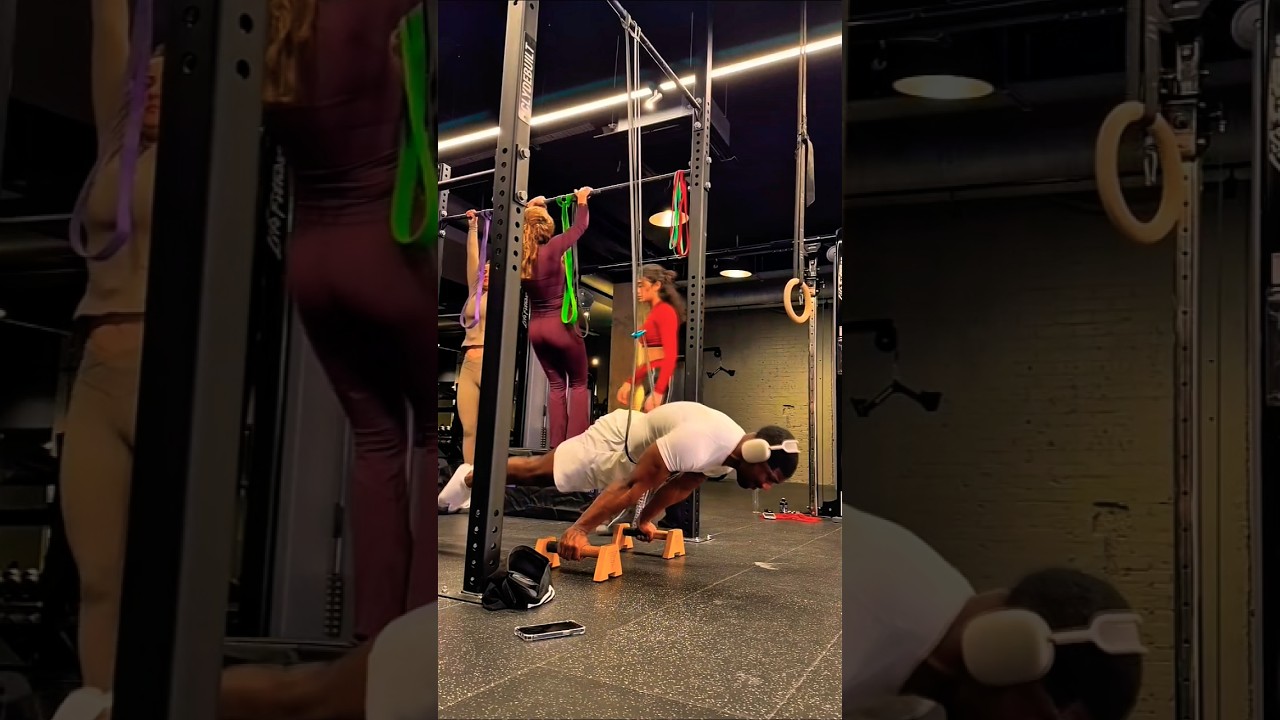
People often react with a mix of surprise, admiration, and sometimes skepticism when they see someone doing calisthenics, especially advanced movements. They might be impressed by the strength and control, while others may question if it's truly effective.
Here's a more detailed look at the reactions:
1. Surprise and Awe:
Advanced Movements:
Seeing individuals perform complex calisthenic movements like the L-sit, human flag, or back levers can be incredibly impressive and generate awe.
Strength without Weights:
Many people are surprised to see someone build significant strength without relying on weights.
"It's easier than it looks" vs. "That's amazing!"
Beginners might initially think calisthenics is easy, especially for those familiar with weight training, but they soon realize the intensity and skill involved.
2. Admiration and Inspiration:
Focus and Discipline:
Calisthenics often requires significant focus and discipline, which people admire.
Bodyweight as a Tool:
Seeing someone use their own body weight as resistance can inspire others to try calisthenics.
Accessibility:
Calisthenics is often seen as a more accessible and affordable fitness option, making it appealing to those who may not have access to a gym.
3. Skepticism and Questioning:
"Is it effective?":
Some people may question if calisthenics can truly build strength and muscle mass, especially compared to weightlifting.
"It's only for kids/gymnasts":
Calisthenics is sometimes perceived as a sport for young people or gymnasts, which can be a misconception.
"You're not using weights, how can you build muscle?":
Others may not fully understand how calisthenics can build muscle through progressive overload and challenging variations.
In Summary: Calisthenics workouts elicit a range of reactions, from admiration and surprise to skepticism. Many people are impressed by the strength and control required, while others may need further explanation or understanding of how calisthenicsa


Информация по комментариям в разработке