Fabrick Talks - Building a Better Future with Glider
Visit us 👉🏽 https://www.fabrick.agency 👈🏻
#WeAreFabrick
__ Video Content Chapters __
0:00 - Introduction
00:13 - About Stuart Bell and Glider
00:37 - Does moving into a construction digitised world led by the client?
01:49 - A need to show what digitisation can offer
03:40 - No one size fits all. Every clients and building are different
04:45 - Is there confusion with construction digitisation's terminologies?
05:56 - Is digitisation over-engineered and restrictive to smaller construction businesses?
07:27 - Is the construction industry adapting to a fast approach digital world?
08:55 - Looking into the future of the built environment
10:06 - Thank you by David Ing
____ Some parts of the Video Transcript ____
As a sales and marketing director, I guess it's my job first and foremost to get the business appropriately positioned and make sure the market really understands who we are, what we do but importantly how we can deliver value to their organisation, into their programs, onto their projects or into their built estates.
As an industry we know we're slow to change but we can't dismiss the fact that we know a new era of digitisation is upon us. But there does seem to be an element of reluctance in some parties to join that digital revolution.
I think it's a place for all, in reality. We saw right at the advent of the BIM mandates if we were talking about recent transformation and pivotal points where there was a big vendor push, some of the large American global vendors were pushing technology and all of the sudden information management or probably BIM came synonymous with 3D models and Revit. Most recently and the government, as a major work giving client, really putting their shoulder behind the standards other major asset owners started to sit up and take note of the value of having control of their information. Their trouble is not having the expertise necessarily in-house to enact upon that and so having to work then with consultant advisories or responsible principal contractors who could offer that support as well.
Yeah absolutely. I think one of the big learning points, even from my tenure at Glider and having spent nearly 30 years in this sector and space, is recognising the value of that early-stage engagement, getting a client and their operational teams, and ultimately with an understanding of what the building use and intent of use will be, getting them involved in the early-stage design, making sure the design team is aware, making sure clearly that we can specify what their requirements are when we think about the information that's needed to drive decisions we're then supporting an understanding of what data is needed to feed into that information set that helps guide and support those decisions.
So yes. Certainly, early involvement is absolutely key. It also seems that it's not one size fits all in terms of every client, every building has its own individual journey and outputs in terms of what you want to know and what you need to know. As an industry, we have almost tried to standardise the approach and I don't think it's working. One of the drives of the BIM mandate was to take a cottage industry of quite disaggregated actors in that workflow, quite a hierarchical way of working, and actually get people working for the same standards and approach, but it's a guiding process and there's certainly enough latitude in that for clients to articulate their requirements, for architectural and engineering design teams to work with contractors at buildability level to really tune in to what the client is trying to achieve but do that under the guidance and framework of standards.
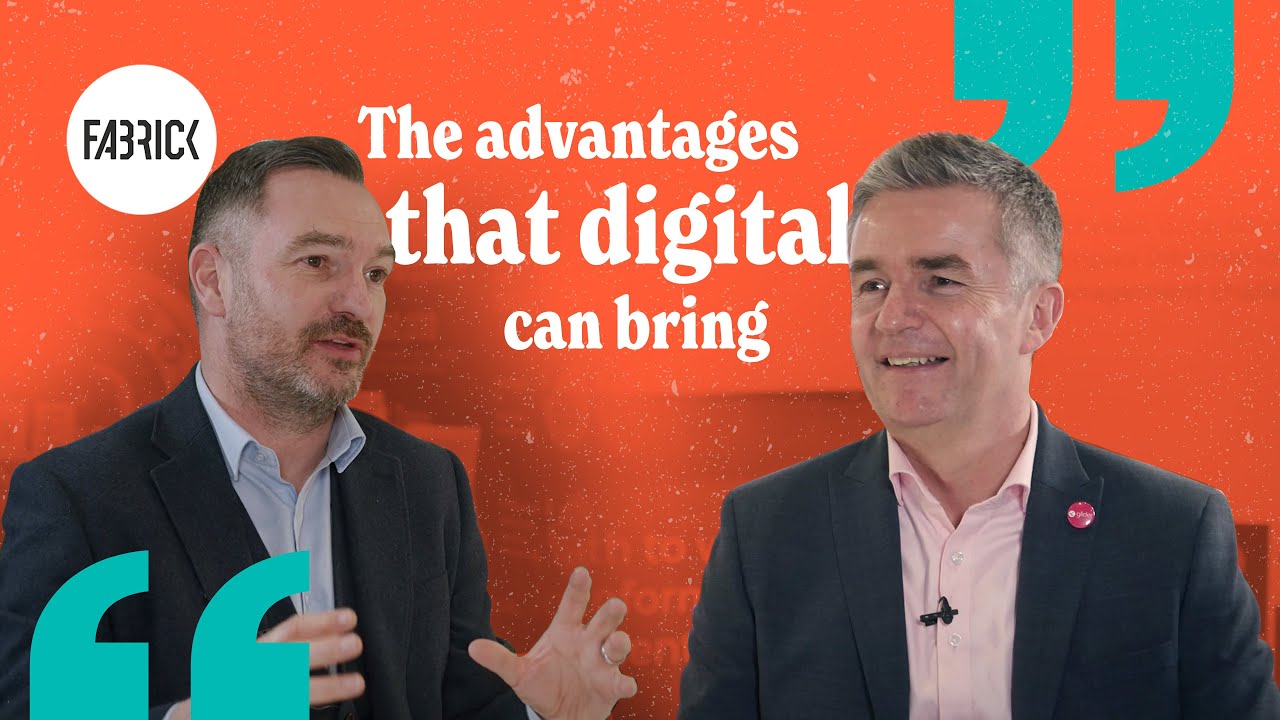
In a funny way, as much as the pandemic has been disastrous for many of us, in terms of digital transformation of our industry of construction, in probably a three month period when we reflect back on March 2020, everybody turned to virtual working, we all got used to collaborating and working online, we're probably more productive in terms of our output that we've worked to in that period and then on top of that when you put in things like the building safety bill, there are several things that have happened in terms of planets aligning and that have meant that we've, not for the first time, but I think we've genuinely seen the advantage that digital can bring and whether it is productivity, whether it is making our businesses more resilient, whether it is extending our reach because we can run virtual meetings, we've proven as a business, as has industry, that you can actually deliver projects remotely as well, leveraging technology.
Good. Stuart, thank you very much.
__ Transcript Ends ___
Contact Fabrick today:
Visit us: https://www.fabrick.agency
LinkedIn: / fabrick
Subscribe: / fabrickagency
#Futurebuild #ConstructionMarketing #FabrickAgency #ConstructionPR

Информация по комментариям в разработке