דוד רויטמן: ענק החזנות שהטביע חותם במוזיקה היהודית
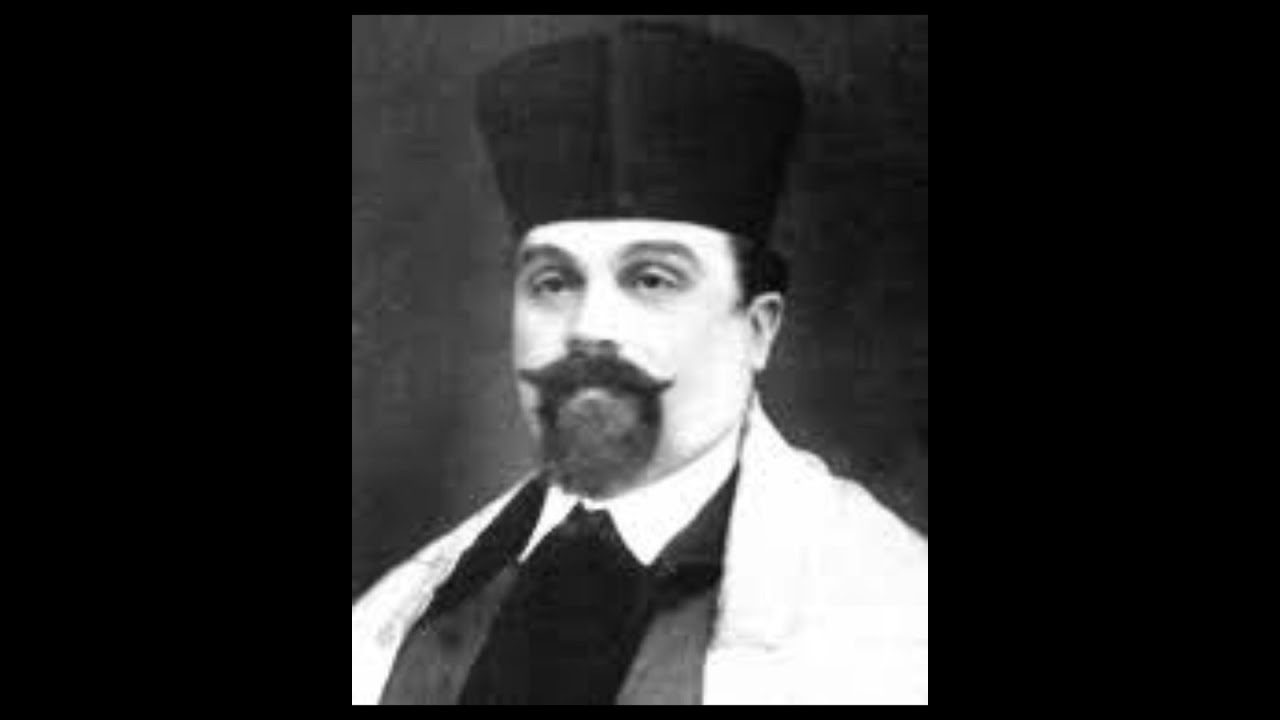
דוד רויטמן (1884–1943) היה חזן ומלחין מחונן, שנולד בעיירה דרזינקה שבפודוליה (כיום באוקראינה). כבר מילדות התגלתה אהבתו למוזיקה ולטעמי המקרא, למרות התנגדות אביו. בגיל 12 התבלט כחזן צעיר בבית הכנסת המקומי, תפקיד שבישר על הקריירה המפוארת שתבוא אחר כך.
תחילת הקריירה ברוסיה
רויטמן החל את דרכו במקהלתו של המנצח זיידל רובנר, והשפעתו של רובנר ניכרת ביצירותיו. בגיל 18 מונה לחזן בעיר יליזבטגרד, ומאז נדד בין קהילות ברחבי רוסיה, כולל ווילנה, שם שימש כחזן ראשי במשך ארבע שנים. בשנת 1912 עבר לסנקט פטרבורג, המרכז היהודי הגדול של רוסיה, ושם גם החל להקליט יצירות עבור חברות תקליטים, תוך כדי שהוא נהנה ממעמד מכובד בחיי התרבות היהודית.
המעבר לארצות הברית
לאחר המהפכה הבולשביקית ומלחמת העולם הראשונה, חיי הקהילה היהודית ברוסיה התערערו. בשנת 1921 היגר רויטמן לארצות הברית, שם הפך במהרה לדמות מרכזית בעולם החזנות. הוא כיהן כחזן בבתי כנסת חשובים, בהם "אוהב שלום" בברוקלין ו"שערי צדק" במנהטן, בו שירת במשך 18 שנה עם הפסקות קצרות.
קול ומוזיקה ייחודיים
רויטמן היה בעל קול טנור לירי יוצא דופן, שאפשר לו לשיר ברגש ובדיוק רב. הוא הלחין יצירות רבות, בין היתר על טקסטים שאינם מושרים באופן מסורתי, כמו "שוכני בתי חומר" – יצירה שזכתה לשבחים על העומק הרוחני והאמנותי שבה.
יצירות והשפעה
בין יצירותיו המוכרות נמנות "אשמנו מכל עם" ו"רחל מבכה על בניה". קטעים אלו הפכו למרכזיים ברפרטואר החזנות העולמית, אם כי לא היו נטולי מחלוקות – אחת השמועות המפורסמות היא שרויטמן האשים את יוסל'ה רוזנבלט בהעתקתן, מה שהסתיים בהתנצלות פומבית של רוזנבלט ושמירה על יחסים קרובים בין השניים.
מורשתו
דוד רויטמן נפטר בשנת 1943 בניו יורק, אך מורשתו המוזיקלית ממשיכה לחיות. יצירותיו מהוות אבני יסוד בעולם החזנות ומבוצעות בבמות יהודיות ברחבי העולם. הוא נחשב לארכיטקט מוזיקלי, שבנה יצירות מלאות רגש ותחכום, והשפעתו ניכרת עד היום.
David Roitman: A Cantorial Giant Who Left His Mark on Jewish Music
David Roitman (1884–1943) was a gifted cantor and composer, born in the town of Drezinka in Podolia (now Ukraine). His love for music and biblical tastes was evident from childhood, despite his father's opposition. At the age of 12, he distinguished himself as a young cantor in the local synagogue, a position that heralded the illustrious career that would follow.
Beginning of his career in Russia
Roitman began his career in the choir of conductor Seidel Rovner, and Rovner's influence is evident in his works. At the age of 18, he was appointed cantor in the city of Yelizbetgrad, and from then on he traveled between communities throughout Russia, including Vilna, where he served as chief cantor for four years. In 1912 he moved to St. Petersburg, the great Jewish center of Russia, where he also began recording works for record companies, while enjoying a respected position in Jewish cultural life.
The move to the United States
After the Bolshevik Revolution and World War I, the life of the Jewish community in Russia was shaken. In 1921, Roitman emigrated to the United States, where he quickly became a central figure in the world of cantorship. He served as cantor in important synagogues, including "Ohev Shalom" in Brooklyn and "Shaarei Tzedek" in Manhattan, where he served for 18 years with short breaks.
Unique voice and music
Roitman had an extraordinary lyrical tenor voice, which allowed him to sing with great emotion and precision. He composed many works, including on texts that are not traditionally sung, such as "Shokhne Batei HaMor" - a work that was praised for its spiritual and artistic depth.
Works and Influence
Among his well-known works are "We Blame Every Nation" and "Rachel Weeps for Her Children." These pieces became central to the repertoire of world cantorship, although they were not without controversy - one of the famous rumors is that Roitman accused Yossele Rosenblatt of copying them, which ended with Rosenblatt's public apology and the maintenance of close relations between the two.
His Legacy
David Roitman died in 1943 in New York, but his musical legacy lives on. His works are cornerstones in the world of cantorship and are performed on Jewish stages around the world. He is considered a musical architect, who built works full of emotion and sophistication, and his influence is evident to this day.

Информация по комментариям в разработке