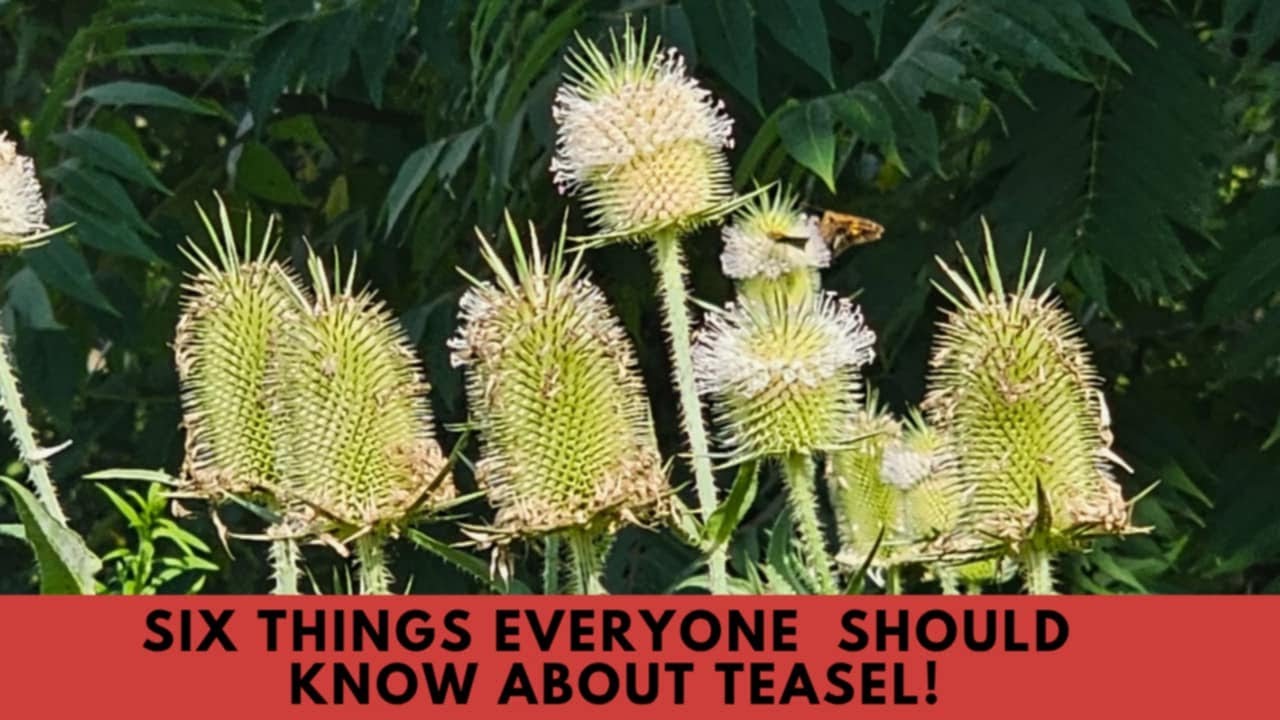
Teasel is seen here in Virginia primarily along roadsides and has a history of so many different uses! There is controversy in the scientific community on whether it is a carnivorous plant or on the path to carnivory? Learn why it is also called Venus Basin!
Teasel Attributions
Fullers Teasel
Dipsacus fullonum known as Wild Teasel, Common Teasel or Fuller's Teasel by Shazz, CC BY-SA 2.0 https://creativecommons.org/licenses/..., via Wikimedia Commons
Pitcher Plant
Len Worthington, CC BY-SA 2.0 https://creativecommons.org/licenses/..., via Wikimedia Commons
Pitcher plants in the wild
HLWolfe, CC BY-SA 4.0 https://creativecommons.org/licenses/..., via Wikimedia Commons
And background copied from google AI:
easel (Dipsacus fullonum) has a variety of uses, both historical and contemporary, ranging from industrial applications to traditional and modern medicinal uses, according to the Minnesota Department of Agriculture.
Here are some of the key uses:
1. Textile industry
Historically, the dried heads of Fuller's teasel (a cultivar of common teasel) were used in the textile industry to raise the nap on woolen cloth, making it softer and fluffier.
The small spines on the teasel seed heads were ideal for this process.
While modern factories primarily use metal combs, some weavers still prefer teasels for their perceived quality and ability to avoid fabric damage.
2. Traditional and herbal medicine
Lyme Disease: Teasel root is sometimes used in herbal medicine, particularly as an adjunctive treatment for Lyme disease, according to Tonic Herb Shop. It is believed to help "coax" the Lyme bacteria (Borrelia spirochetes) out of tissues and into the bloodstream, where they can be more easily targeted by the immune system or antibiotics. However, it's important to note that scientific evidence for teasel's effectiveness against Lyme disease is limited and based primarily on anecdotal reports and traditional use, rather than rigorous scientific studies.
Musculoskeletal System: Teasel root is traditionally used in Chinese medicine and European herbalism to strengthen bones, tendons, and ligaments, and to alleviate lower back and knee pain, joint stiffness, and injuries.
Liver and Kidney Support: Teasel has been traditionally used to support liver and kidney function and promote detoxification.
Yes, teasel is considered an invasive species in many regions. Both common teasel (Dipsacus fullonum) and cut-leaved teasel (D. laciniatus) are known to be aggressive and can outcompete native plants, especially in disturbed areas like roadsides and prairies. They can form dense stands, reducing biodiversity and available resources for other wildlife.
Here's why teasel is problematic:
Rapid Spread and Outcompetition:
Teasel plants can quickly establish dense populations, outcompeting native vegetation for resources like sunlight, water, and nutrients.
Seed Production and Viability:
Teasel plants produce a large number of seeds that can remain viable in the soil for at least two years, allowing for rapid spread and long-term establishment.
Lack of Natural Enemies:
In many areas where teasel has been introduced, there are few natural predators or diseases to control its population, allowing it to flourish unchecked.
Impact on Wildlife:
By outcompeting native plants, teasel can reduce the availability of food and shelter for wildlife, impacting the overall health of the ecosystem.
Habitat Domination:
Teasel can form large, dense monocultures, displacing diverse native plant communities and reducing habitat quality for various species.
easel (Dipsacus fullonum) can be both beneficial and detrimental to wildlife, depending on the context. While it provides food and water sources for some animals, it can also be invasive and reduce habitat diversity for others.
Benefits:
Pollinators:
.
Teasel flowers are a valuable source of nectar and pollen for bees, butterflies, and other insects.
Seed-eating birds:
.
The seeds of the teasel are a food source for various birds, especially goldfinches, particularly in the autumn and winter.
Water source:
.
The leaves of the teasel can collect and hold rainwater, providing a small water source for insects and other wildlife.
Drawbacks:
Invasive species:
.
Teasel can be invasive, outcompeting native plants and reducing overall habitat diversity.
Reduced habitat:
.
Dense stands of teasel can create monocultures, displacing other plant species and reducing the variety of food and shelter available to wildlife.
Impact on native flora:
.
Teasel can inhibit the growth of native forbs and grasses, impacting the overall health and diversity of the ecosystem.
In conclusion: While teasel offers some benefits to specific wildlife, its potential to become invasive and displace native plants should be considered. It is important to manage teasel populations to minimize its negative impacts and promote a balanced ecosystem.

Информация по комментариям в разработке