Beryl Stone Buyer’s Guide: Meanings, Properties, History, & More
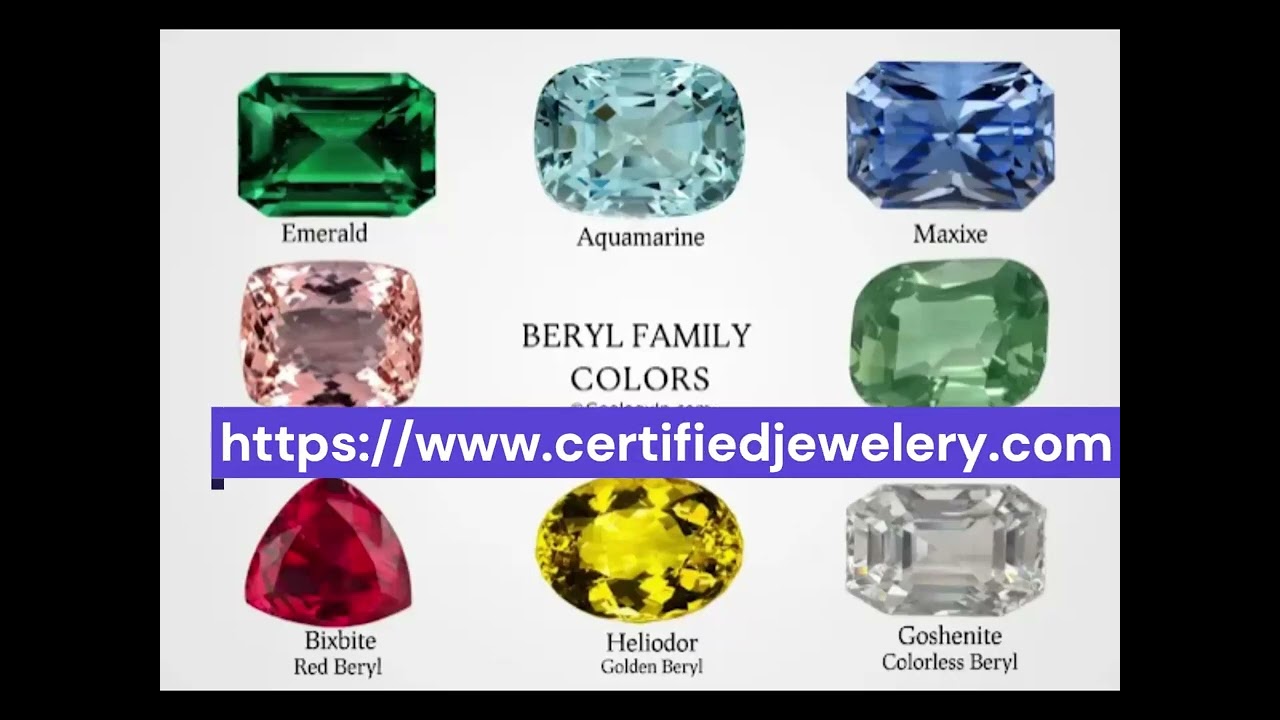
Beryl is a stunning gemstone family that includes famous varieties like emerald, aquamarine, and morganite. Each type boasts unique colors, meanings, and benefits, making beryl one of the most diverse and cherished minerals in the world.
Emeralds symbolize hope and healing, aquamarines promote courage, morganites inspire compassion, heliodor boosts confidence, red beryl sparks creativity, and goshenite supports truth and clarity. Spiritually, beryl activates chakras—especially the heart—offering emotional healing and inner balance.
Beryl is composed of beryllium aluminum silicate, with a Mohs hardness of 7.5–8, making it great for daily jewelry. Common cuts include emerald, pear, oval, and cabochon. While emeralds and red beryls often contain natural inclusions, others like goshenite are usually eye-clean.
Beryl treatments are common and safe: aquamarines are heat-treated for pure blue tones, and goshenite can be irradiated to mimic heliodor.
Historically, beryl has been treasured for centuries—from Cleopatra’s emeralds to early beryl lenses used in medieval eyeglasses. Today, beryl is sourced from Brazil, Colombia, Zambia, Utah (for red beryl), and Russia.
Prices vary by variety and quality. Emeralds can cost up to $10,000 per carat, red beryl even more. More affordable options include goshenite and heliodor, priced from $1–$100 per carat.
Whether for healing, beauty, or investment, beryl offers something for everyone. With its radiant history, metaphysical power, and brilliant colors, beryl isn’t just a gemstone—it’s a story told through crystal.
Информация по комментариям в разработке