Logo video2dn
  • Сохранить видео с ютуба
  • Категории
    • Музыка
    • Кино и Анимация
    • Автомобили
    • Животные
    • Спорт
    • Путешествия
    • Игры
    • Люди и Блоги
    • Юмор
    • Развлечения
    • Новости и Политика
    • Howto и Стиль
    • Diy своими руками
    • Образование
    • Наука и Технологии
    • Некоммерческие Организации
  • О сайте

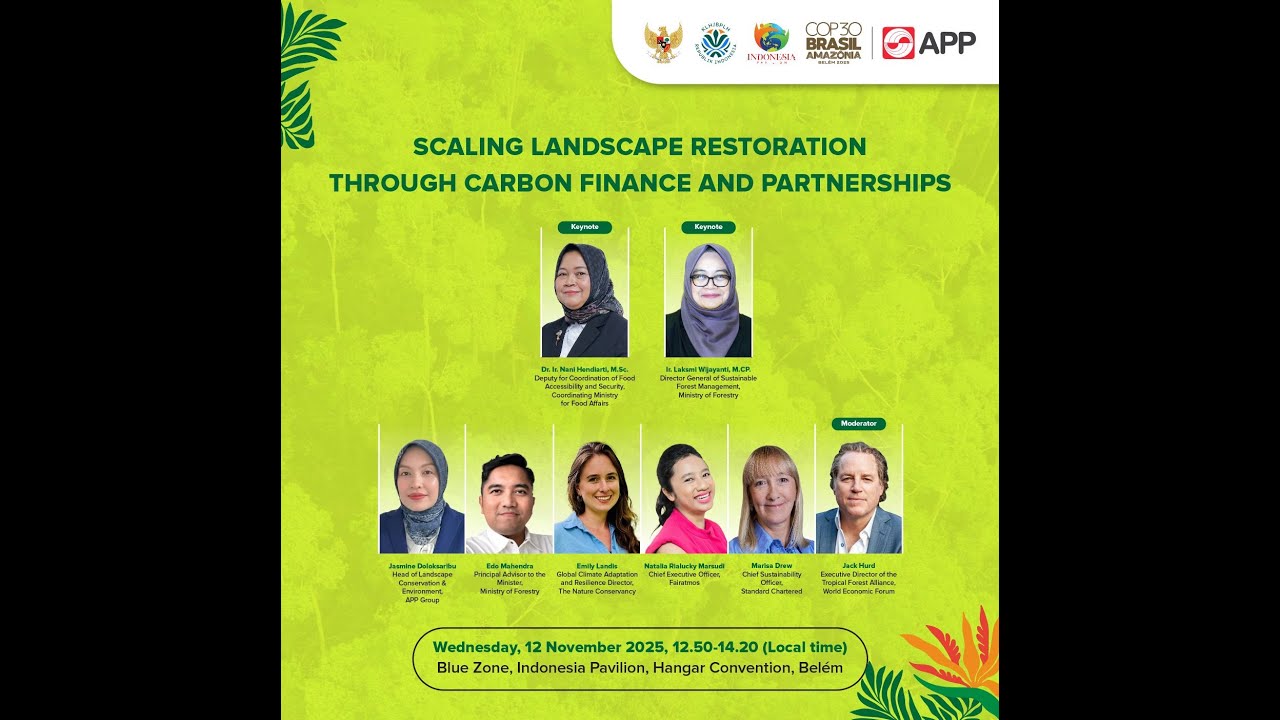
Скачать или смотреть Scaling Landscape Restoration Through Carbon Finance and Partnerships

  • CLAIMATEai Edutainment
  • 2025-12-08
  • 2
Scaling Landscape Restoration Through Carbon Finance and Partnerships
RestorationCarbon FinanceCarbon PartnershipClimate ChangePerubahan IklimCOP 30NDCs
  • ok logo

Скачать Scaling Landscape Restoration Through Carbon Finance and Partnerships бесплатно в качестве 4к (2к / 1080p)

У нас вы можете скачать бесплатно Scaling Landscape Restoration Through Carbon Finance and Partnerships или посмотреть видео с ютуба в максимальном доступном качестве.

Для скачивания выберите вариант из формы ниже:

  • Информация по загрузке:

Cкачать музыку Scaling Landscape Restoration Through Carbon Finance and Partnerships бесплатно в формате MP3:

Если иконки загрузки не отобразились, ПОЖАЛУЙСТА, НАЖМИТЕ ЗДЕСЬ или обновите страницу
Если у вас возникли трудности с загрузкой, пожалуйста, свяжитесь с нами по контактам, указанным в нижней части страницы.
Спасибо за использование сервиса video2dn.com

Описание к видео Scaling Landscape Restoration Through Carbon Finance and Partnerships

For more information, visit this link : https://indonesiaunfccc.com/cop30/a2/

Scaling Landscape Restoration Through Carbon Finance and Partnerships
1. High-Level Summary
Session A2 detailed Indonesia's new, "instrumental" policy framework designed to mobilize private capital and carbon finance for large-scale landscape restoration. The dialogue, featuring high-level government, finance, and corporate leaders, centered on Presidential Regulation (Perpres) No. 110 of 2025. This regulation establishes a pro-investment environment by providing regulatory clarity, opening international carbon trading, and creating new long-term business models for restoring degraded conservation areas. The consensus was that while this policy provides the necessary foundation, success depends on building trust, securing high-integrity demand, and fostering multi-stakeholder partnerships.
________________________________________
2. Key Policy and Government Directives
The session confirmed a fundamental paradigm shift in Indonesia's approach to climate finance, built on Perpres 110/2025:
• Instrumental, Not Residual: The carbon market is no longer viewed as a "residual" mechanism but as an "instrumental" tool for achieving Indonesia's ambitious climate targets, including the FOLU Net Sink 2030 goal.
• New Restoration Business Models: The Ministry of Forestry is "soon enable the private sector to manage degraded conservation areas" through long-term (30+ year) restoration business concessions. This directly addresses investor concerns about project permanence.
• International Market Integration: The new regulation "specifically regulates the opening of the international carbon trading" and includes the "direct recognition of high integrity international standards".
• Clarity as an Incentive: The government’s primary incentive for investors is not fiscal, but regulatory. The new policy provides a "clear, reliable... regulatory environment" that allows businesses to "calculate risk".
________________________________________
3. Market and Investor Analysis
Financial and market experts on the panel analyzed the new policy's impact on capital mobilization:
• A Market for Integrity Only: The recent market correction (from $1.5B to $500M) was seen as a necessary "weeding out" of low-quality projects. The consensus is that "the only thing that's left... is the market for integrity projects only".
• The Realistic Cost of Quality: High-quality restoration, particularly blue carbon, is expensive. Panelists noted, "You cannot sell a carbon credit that's blue carbon for less than $100 a ton". This price is necessary to cover complex restoration and high (e.g., 60%) community benefit-sharing.
• Blended Finance is Essential: Carbon finance alone cannot cover the high upfront costs of restoration. A blended finance model is required:
1. Philanthropy for initial feasibility and community engagement.
2. Public/Government Funds for costly restoration activities.
3. Carbon Finance for long-term monitoring and sustainability.
________________________________________
4. Practitioner Focus: Community-First Restoration
Practitioners from APP Group and The Nature Conservancy, who manage large-scale landscape projects, stressed that technical restoration is secondary to social and economic stability:
• Livelihoods First: Restoration projects are unsustainable if the local community's economy is not secured. "If the livelihood is not increased, they will not change their mindset". Successful projects, like one in Sumatra, first help communities transition to sustainable livelihoods (e.g., silvo-fishery) before undertaking restoration.
• Local Knowledge is Key: Panelists emphasized that "local ecological knowledge surpasses anything that you can get in an ivory tower".
________________________________________
5. Key Conclusions
The panel concluded that the government cannot achieve its ambitious target of restoring 12 million hectares alone. The new policy framework (Perpres 110/2025) is the essential foundation for scaling up. The three critical elements required from all stakeholders to move forward are Trust, Demand (at the right price), and Partnerships.


For more information, visit this link : https://indonesiaunfccc.com/cop30/a2/

Комментарии

Информация по комментариям в разработке

Похожие видео

  • О нас
  • Контакты
  • Отказ от ответственности - Disclaimer
  • Условия использования сайта - TOS
  • Политика конфиденциальности

video2dn Copyright © 2023 - 2025

Контакты для правообладателей [email protected]