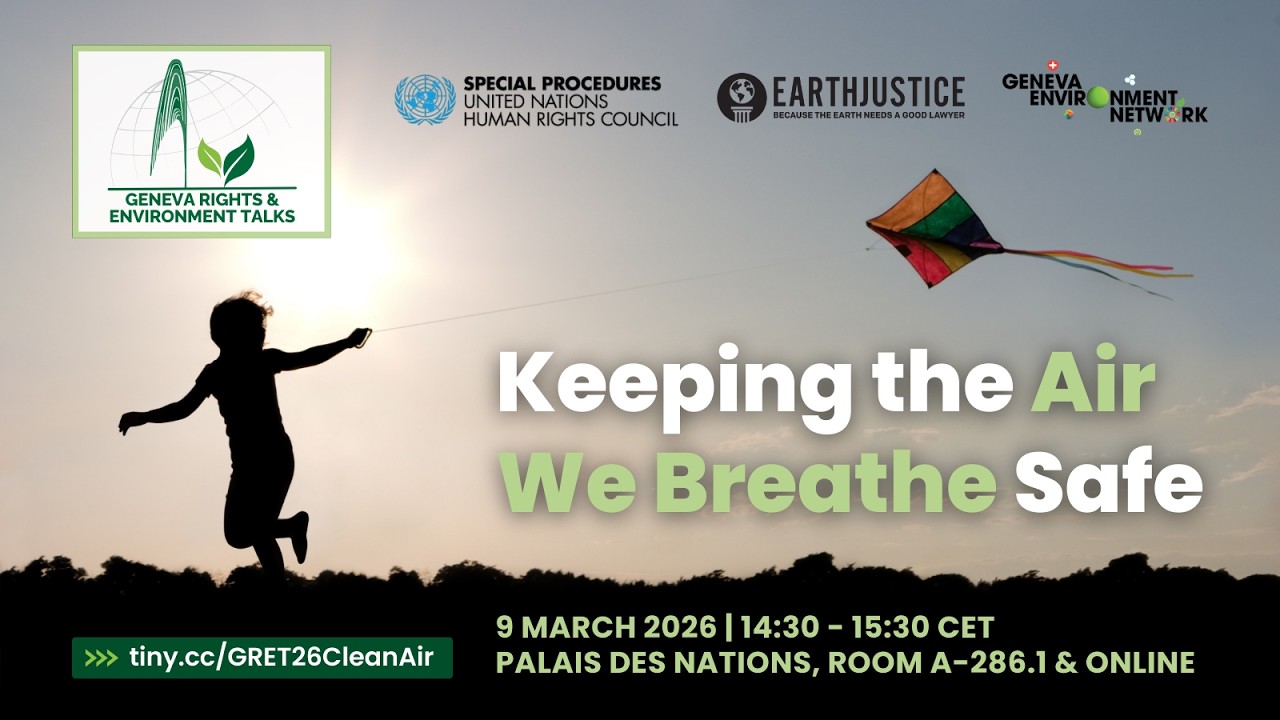
Clean air is an element of the human right to a clean, healthy and sustainable environment, and is essential for the enjoyment of all human rights, including the rights to life and health. However, approximately 99% of people globally remain without access to clean air. Air pollution transcends borders, causing transboundary impacts, while systematic inequalities, climate change, ecosystem loss and toxic pollution aggravate the impacts.
There is extensive and conclusive scientific evidence of the health risks posed by air pollution, which has an impact on all organs of the human body throughout life and in utero. Children are the most vulnerable, along with older persons, pregnant people, people with pre-existing health conditions, and marginalized groups living in low-income settings. Currently, air pollution is linked to an estimated between 6 to 8 million premature deaths each year worldwide. It triggers or exacerbates multiple diseases, from respiratory and cardiovascular conditions to stroke, leading to reduced productivity and substantial economic losses.
As economic growth and industrial activity is prioritized, the extraction and use of fossil fuels, inadequate urban and land use planning, the lack of sustainable public transport, use of biomass for cooking and heating, and unsustainable industrial agricultural practices severely degrade the air everyone breathes.
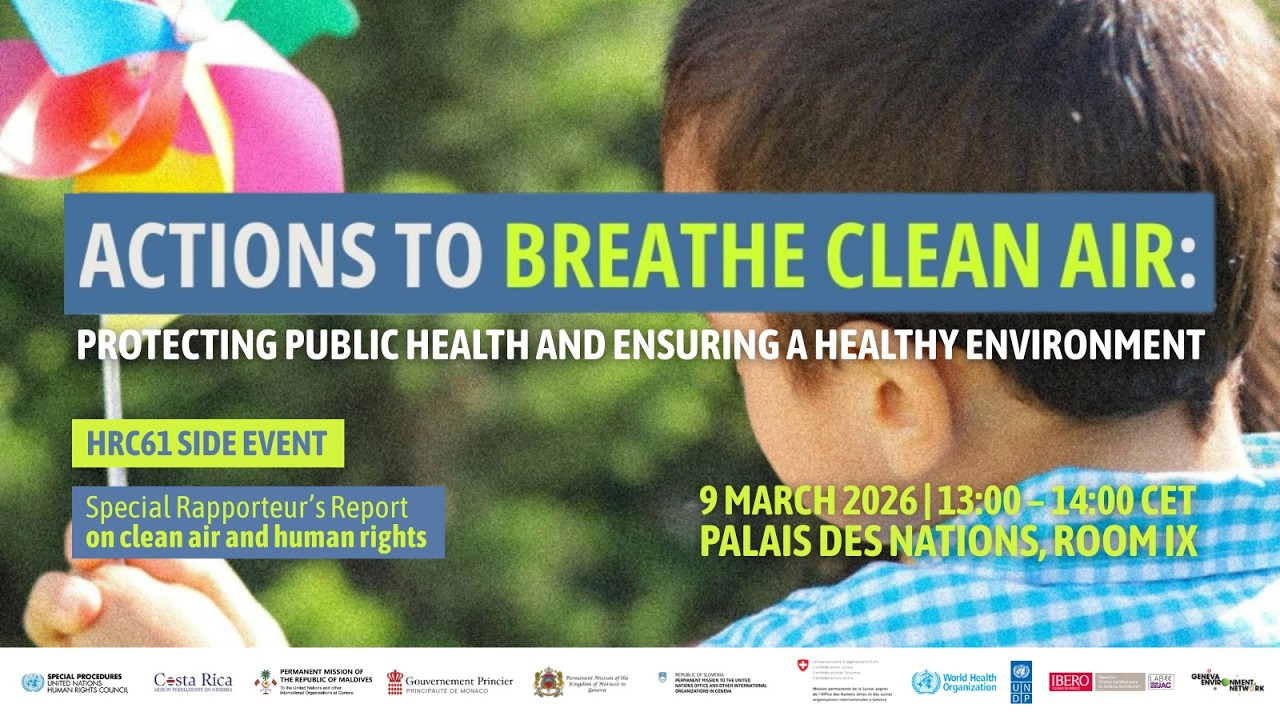
For the 61st session of the Human Rights Council the UN Special Rapporteur on the human right to a clean, healthy and sustainable environment decided to deepen the understanding of air pollution impacts on human rights. The report is focused on the protection of marginalized groups based on updated science and legal advances. The Special Rapporteur identifies priority actions for States and businesses to improve air quality with a human rights perspective, highlighting urgent actions required to protect the health of the most vulnerable people.
The UN Special Rapporteur highlights the severity of air pollution, especially in low- and middle-income countries and contrast this with existent solutions and actions that must be improved and or further scale up, including transitions to cleaner energy, appropriate monitoring and emissions control, improved planning, and better transport systems, among others. The report calls for a health-based approach that recognizes the profound risk and harm air pollution poses, prioritize effective actions, and applies intersectional perspective that respond to the needs of the most vulnerable people and ensuring their protection.
This side event will present and discuss the UN Special Rapporteur’s report, including its key recommendations and possible ways forward. The event will explore States obligations to prevent harm, exercise stringent due diligence, and implement effective measures to guarantee clean air for all. It will also address business responsibilities to prevent, avoid and halt activities that worsen air pollution and associated health risks, especially for children, workers and others in vulnerable situations. The panel reflect on the need for strong coordination between health, environment and policy and justice sectors when developing institutional capacities, policies, regulations and guidelines on air quality, and when leveraging the rights to a healthy environment.
More information: https://www.genevaenvironmentnetwork....








Информация по комментариям в разработке