Knife-Using Skills and Their Development
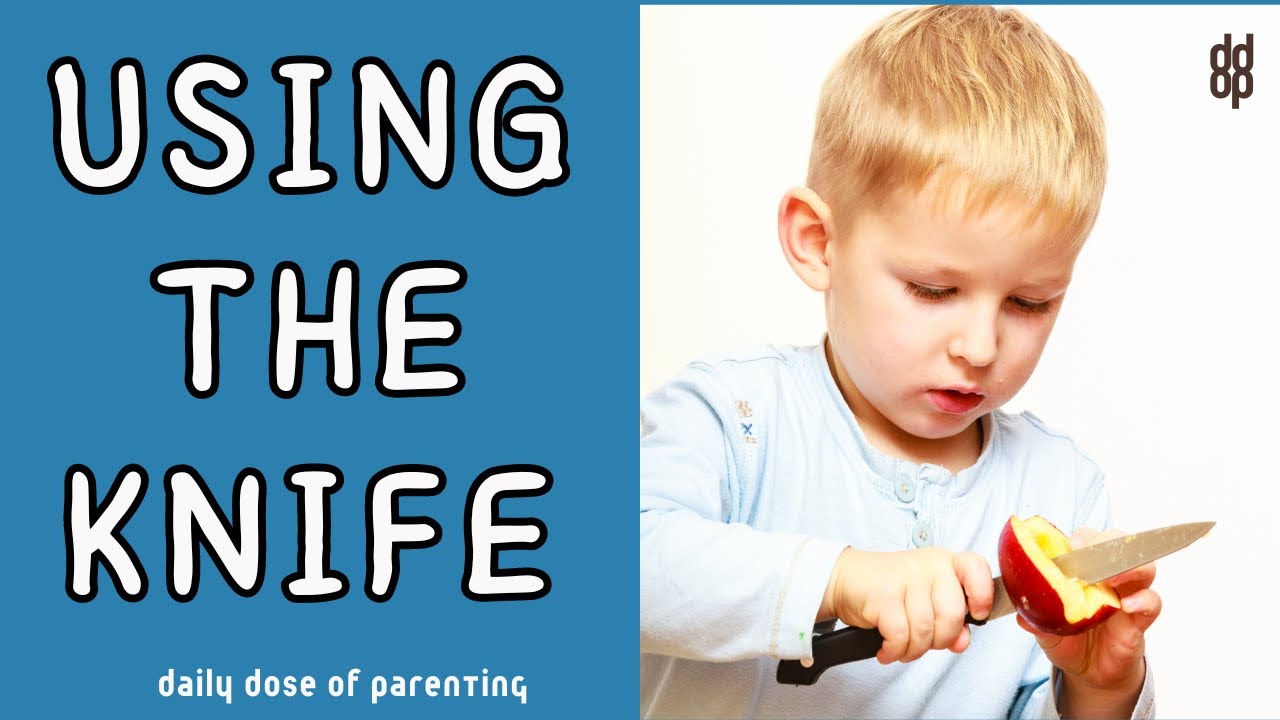
In today's episode, we delve into the fascinating process of how children develop the essential skill of using a knife. Unlike learning to use a fork, which many children start mastering at an earlier age, using a knife requires a higher level of dexterity and hand-eye coordination. Understanding the stages of this development and knowing how to support your child through each phase can transform mealtime into a safe, enjoyable, and educational experience for both you and your child.
In this video, we cover:
Early Introduction (2-3 Years): 🧒🔪 Learn how to introduce your child to the concept of using a knife with safe, child-friendly utensils. Discover tips on helping them get comfortable with holding and using a knife for basic tasks like spreading soft foods.
Basic Cutting Skills (4-5 Years): 🍌🔪 See how children can start learning basic cutting skills with child-safe knives, improving hand-eye coordination and building confidence in handling a knife. Get practical advice on safe cutting techniques and the importance of supervision.
Intermediate Skills (6-7 Years): 🥒🔪 Understand how to guide your child in using sharper knives for slightly firmer foods. Learn about the "pinch grip" technique and how to help your child refine their cutting skills with increasing precision.
Advanced Skills (8 Years and Beyond): 🥕🔪 Explore advanced knife skills for older children, including dicing and chopping. Discover the importance of safety rules and supervision as your child masters more complex cutting tasks.
We also delve into scientific insights from developmental psychology and occupational therapy that support the progression of fine motor skills, essential for effective knife use. Research highlights the critical role of practice, parental guidance, and a supportive learning environment in developing these skills.
References:
Zelazo, P. R., & Zelazo, P. D. (1979). The development of walking: New findings and old assumptions. Journal of Motor Behavior, 11(2), 119-139.
Case-Smith, J. (1995). The effects of occupational therapy intervention on the development of preterm infants. American Journal of Occupational Therapy, 49(5), 507-513.
Cermak, S. A., & Larkin, D. (2002). Developmental coordination disorder. Cengage Learning.
Gabbard, C. P. (2008). Lifespan motor development. Human Kinetics.
Kaiser, A. P., & Rasmussen, T. (2013). Supporting early childhood development: Implications for intervention. Journal of Early Childhood Research, 11(1), 93-107.
Thank you for joining us on this episode of Daily Dose of Parenting, where we explored how children develop knife-using skills! If you found this information helpful, make sure to subscribe to our channel for more insights and tips on parenting. Hit the like button 👍, share this episode with other parents 📤, and don’t forget to click the notification bell 🔔 so you never miss an update. For a comprehensive understanding of your child's utensil skills, be sure to watch our episodes on spoon and fork use. Together, let's make parenting a more enjoyable and informed journey. See you in the next episode!

Информация по комментариям в разработке