The Lost Tribes of Israel: History or Legend?
Welcome back to Time Frame, where we dive deep into the mysteries of our past. Today, we’re exploring a fascinating topic that has intrigued historians, theologians, and adventurers alike: the Lost Tribes of Israel. Are they a matter of history, or are they simply a legend?
The story of the Lost Tribes begins in the ancient kingdom of Israel. After the reign of King Solomon, the kingdom split into two: the northern kingdom, known as Israel, and the southern kingdom, called Judah. In the eighth century BCE, the Assyrian Empire invaded the northern kingdom and exiled many of its inhabitants. These exiled groups became known as the Lost Tribes.
But who were these tribes? Traditionally, there were twelve tribes of Israel, each descending from one of the sons of Jacob. The tribes of Judah and Benjamin remained in the southern kingdom, while the other ten tribes—Reuben, Simeon, Ephraim, Manasseh, Zebulun, Issachar, Asher, Naphtali, Dan, and Gad—were taken away by the Assyrians. Their fate is shrouded in mystery, leading to endless speculation about where they might have gone.
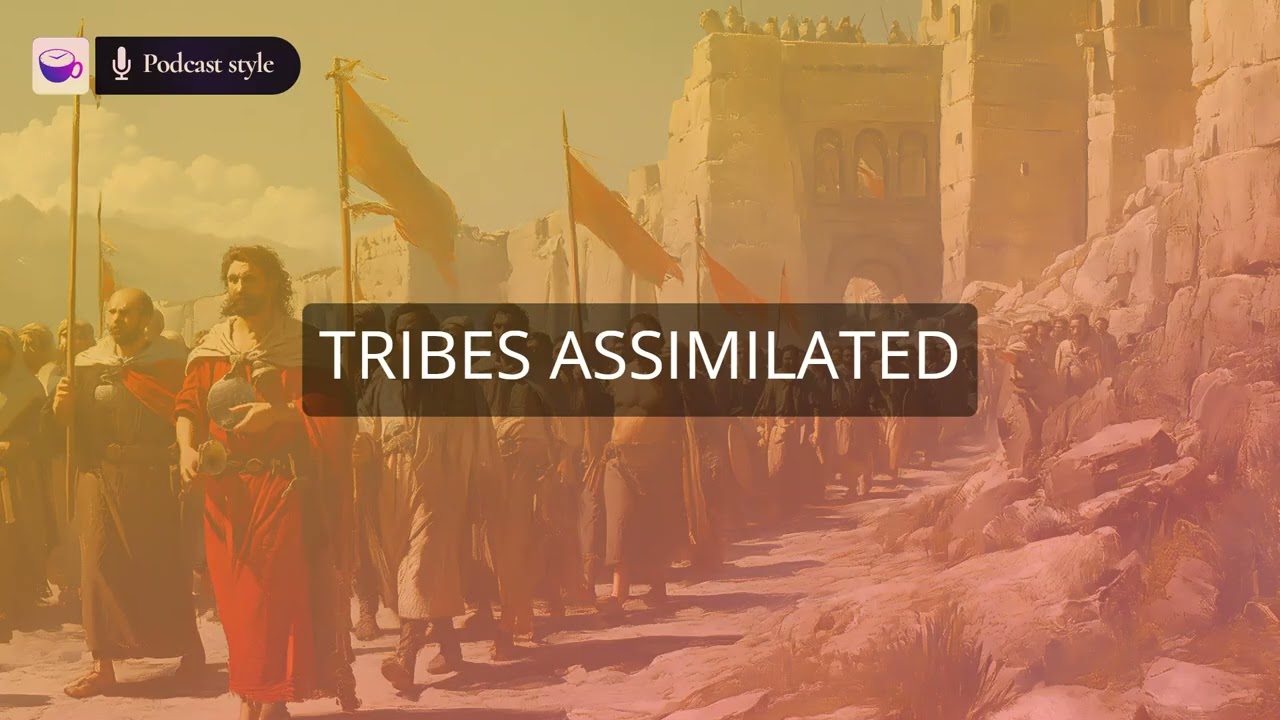
Various theories have emerged over the centuries. Some believe that these tribes assimilated into surrounding cultures and lost their distinct identities. Others suggest they migrated to far-off lands, leading to tales of tribes in places like Africa, India, and even the Americas. For instance, some groups in Ethiopia claim descent from the Lost Tribes, while others in India, such as the Bnei Menashe, assert they are direct descendants.
The quest to find the Lost Tribes has inspired countless expeditions and research. In the modern era, archaeological discoveries in the Middle East have provided tantalizing hints about the tribes’ existence and movements. Yet, no definitive evidence has surfaced to confirm their fate or whereabouts. This absence of concrete proof raises the question: are we chasing a historical truth, or are we simply captivated by a compelling legend?
Throughout history, the Lost Tribes have also played a significant role in various religious and cultural narratives. In Judaism, the hope of their eventual return is a theme that resonates deeply. In Christianity and Islam, these tribes are often referenced in eschatological contexts, adding layers of intrigue to their story.
As we delve deeper, we find that the Lost Tribes have not only been a subject of historical interest but have also captured the imagination of artists, writers, and filmmakers. From novels to documentaries, the allure of uncovering the truth behind these tribes continues to inspire creative exploration.
In conclusion, the question of whether the Lost Tribes of Israel are rooted in history or legend remains open to interpretation. While there are compelling arguments and numerous theories, the lack of definitive evidence keeps the mystery alive. Perhaps it is this very enigma that has allowed the story of the Lost Tribes to endure through centuries, captivating generations with the possibility of discovery.
Thank you for joining us on this journey into the past. If you enjoyed this exploration of the Lost Tribes of Israel, please give us a thumbs up and share your thoughts in the comments below. Don’t forget to subscribe to Time Frame for more fascinating historical content. Until next time, keep questioning the past and seeking the stories that shape our world!

Информация по комментариям в разработке