What We Cover
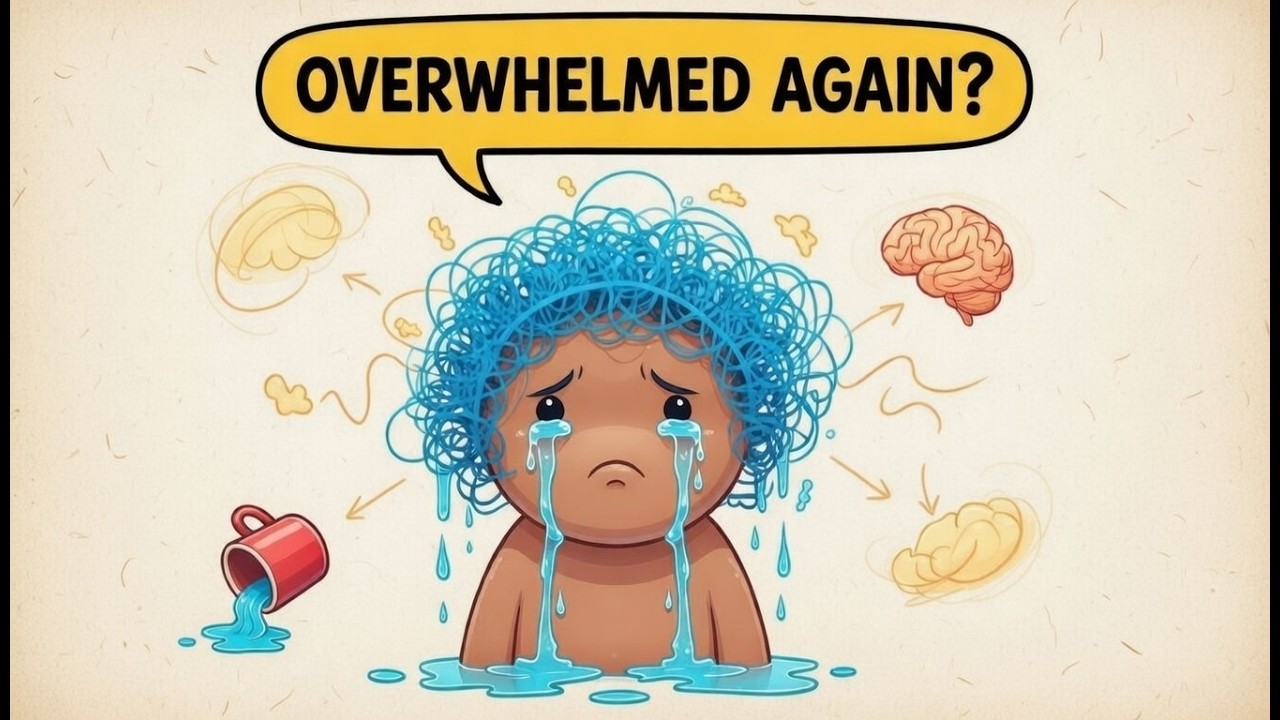
This content explores the neuroscience and psychology behind crying during frustration, known as emotional overspill. It explains how cognitive overload, threat detection, and injustice sensitivity place intense demand on the prefrontal cortex, triggering limbic system takeover and involuntary tear responses. The script breaks down emotional cross-wiring between anger and sadness circuits in the anterior cingulate cortex, autonomic nervous system activation, and the evolutionary role of tears in conflict de-escalation. It introduces practical regulation frameworks including the Ocular Interrupt, Cognitive Anchor, Transparent Reframe, Somatic Reset, and the concept of an Extinction Burst during nervous system retraining. It also addresses anger suppression, emotional avoidance masking, and post-episode shame reframing through self-directed neural reinforcement.
How It Helps You Psychologically
Understanding emotional overspill reduces shame and reframes crying during conflict as a high-load neurological response rather than weakness. By learning to regulate instead of suppress, you strengthen prefrontal control under stress, increase emotional differentiation, and build distress tolerance. Practicing these protocols improves conflict composure, preserves credibility, and prevents self-blame spirals after emotional episodes. Over time, this rewires automatic tear responses, increases resilience to cognitive overload, restores self-trust, and allows intensity to fuel clarity instead of overwhelm. The result is greater calm, stronger boundaries, emotional authority, and relief from chronic frustration fatigue.
📚 Research & References:
Emotional Overspill & Cognitive Load: Arnsten, A. F. T. (2009). Stress signaling pathways that impair prefrontal cortex structure and function.
Limbic System & Threat Response: LeDoux, J. (1996). The Emotional Brain: The Mysterious Underpinnings of Emotional Life.
Anterior Cingulate Cortex & Emotional Cross-Wiring: Bush, G., Luu, P., & Posner, M. I. (2000). Cognitive and emotional influences in anterior cingulate cortex.
Autonomic Nervous System Regulation: Porges, S. W. (2011). Polyvagal Theory and emotional regulation.
Prefrontal Cortex & Executive Function Under Stress: McEwen, B. S. (2017). Neurobiological and systemic effects of chronic stress.
Distress Tolerance & Emotional Regulation: Linehan, M. (2014). DBT Skills Training Manual.
Evolutionary Signaling of Tears: Hasson, O. (2009). Emotional tears as social signals.
Extinction Burst in Behavioral Psychology: Cooper, J. O., Heron, T. E., & Heward, W. L. (2007). Applied Behavior Analysis.
Anger Suppression & Emotional Processing: Gross, J. J. (2015). Emotion regulation: Current status and future prospects.
Self-Compassion & Shame Reduction: Neff, K. D. (2011). Self-compassion and psychological resilience.
#EmotionalOverload #CryingWhenAngry #Neuroscience #EmotionRegulation #PsychologyExplained #StressResponse #NervousSystem #EmotionalIntelligence #ConflictSkills #MentalHealth #CognitiveLoad #SelfRegulation #ShameHealing #Resilience #HumanBehavior














Информация по комментариям в разработке