Gelato 101 - Everything you need to know
Ever walked into a gelateria, spotted a cabinet with towering mountains of gelato, 50 flavors on display, and thought, "Wow, that looks amazing!"?Spoiler alert: It’s probably not.
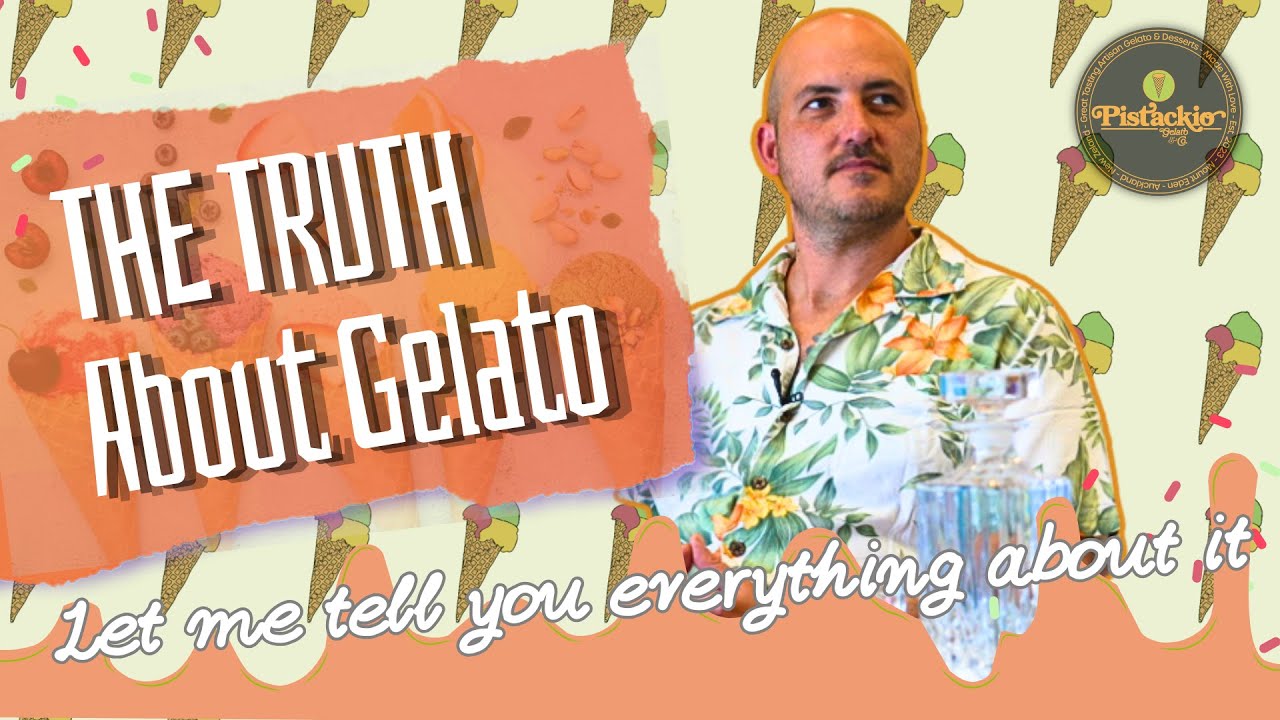
Hi, I’m Juan Balsani, and today we’re diving deep into the world of gelato to discover what makes a truly great scoop.
Gelato — when done right — is an art form. So, how can you spot the fakes, avoid the tricks, and appreciate the craftsmanship behind the ultimate dessert?
1. Start with the container.
Gelato is best stored flat, in deep containers. In traditional gelaterias, it’s often kept covered with lids in what’s known as a pozzetto freezer. Real gelato doesn’t need to scream for attention.Those big, fluffy mountains you see? They’re literally full of air—whipped with additives to bulk them up. So, you’re paying for air, not flavor.
Real gelato is creamy, dense, and contains very little air. When you taste it, it’s rich, smooth, and packed with flavor. Each scoop has a personality of its own.
2. The color test.
Here’s a simple rule: real gelato looks natural. The colors whisper—they don’t shout.Take banana, for example. Banana gelato is off-white because we eat the inside of the banana, not the peel. Pistachio? It should be a soft, pastel green. Mint? White, not neon green.If you see radioactive colors, that’s a big red flag! Real ingredients don’t glow in the dark.
3. The flavor count.
Here’s a pro tip: if a gelateria has 50, 60, or even 100 flavors, it’s a definite no, no, no!It’s nearly impossible to make that many flavors fresh, and the overwhelming number of options usually means disappointing quality.
Homemade gelato shops focus on quality over quantity. They offer fewer flavors, often made with local, seasonal ingredients. That’s where the magic happens—taking something as humble as an orange and transforming it into extraordinary gelato. That’s real skill.
Real gelato showcases ingredients; it doesn’t overwhelm you with choices.
4. The temperature matters.
Real gelato is served slightly warmer than ice cream. If it’s too cold and icy, chances are it’s not the real deal.
But why all of this matter? When you support authentic gelaterias, you’re supporting artisans who care deeply about their products and their customers, they care about the flavor, the texture, ingredients, and tradition. You’re not just eating dessert—you’re tasting the love and effort poured into every scoop.
So, next time you visit a gelateria, look closer. Watch for the signs we discussed here today and treat yourself to the real deal. Life is too short for bad gelato!
With that said, thank you for watching! If you enjoyed this content, give it a like, share it with your fellow dessert lovers, and don’t forget to subscribe for more.
Before I go—what’s your favorite gelato shop? Let me know in the comments! And remember, once you try authentic gelato, there’s no going back.
📍 Visit Pistackio Gelato & Co. - 416 Mount Eden Road, Auckland
📸 Follow us on Instagram: @PistackioGelato
🌐 Website: www.pistackiogelato.com
🔔 Subscribe & hit the bell to join our gelato revolution!
#PistackioGelato #icecream #italianfood #aucklandeats #gelato #gelateria
#GelatoHistory #FoodScience #ItalianFood #DessertLover #IceCreamVsGelato #CulinaryHistory #FoodieTravel #pistachio #gelato #foodie #aucklandeats #gelatoartigianale#PistackioGelato #icecream #italianfood #aucklandeats #gelato #gelateria










Информация по комментариям в разработке