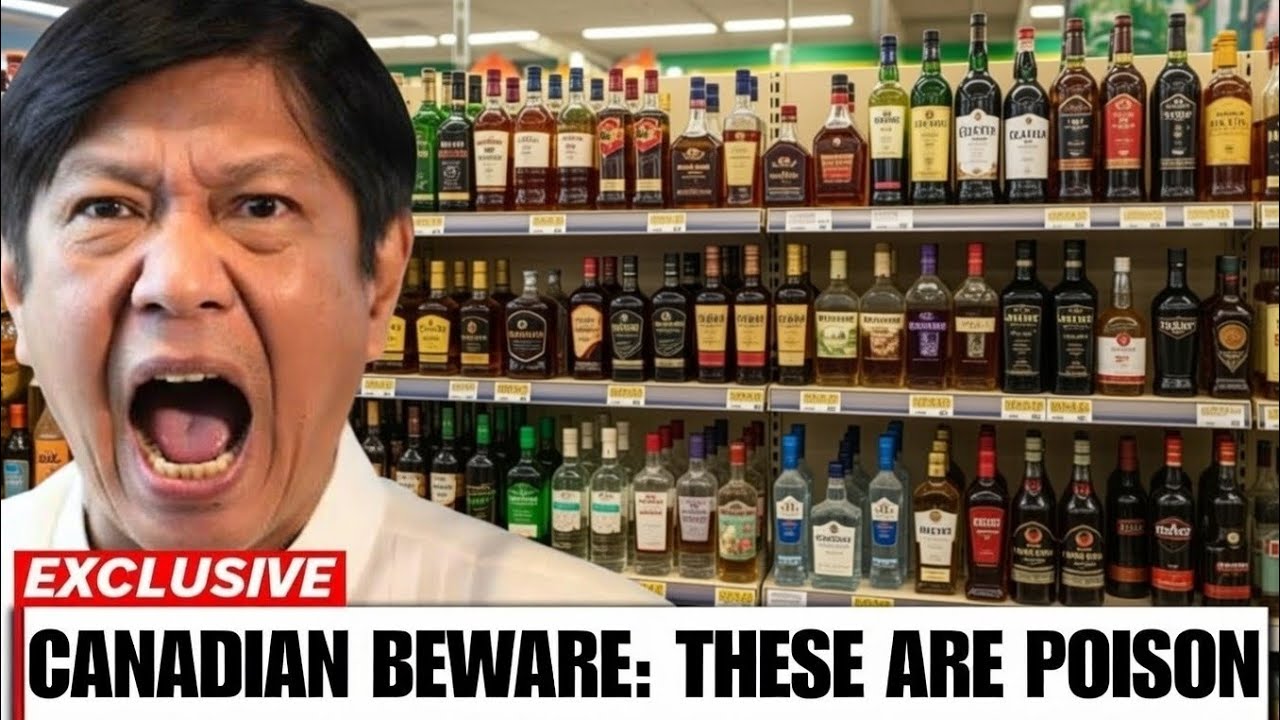
The phrase "robbing Canadians blind" often pops up in discussions about alcohol pricing in Canada, where high taxes, provincial monopolies (like the LCBO in Ontario), import duties, and markups make many popular brands feel outrageously expensive compared to their value or international prices. In recent years, especially amid trade tensions and tariffs around 2025-2026, many imported (especially U.S.) brands have faced boycotts, removals from shelves, or inflated costs, pushing consumers toward overpriced "premium" labels that don't always deliver superior quality.
Drawing from common complaints in blind tastings, consumer reports, and market trends, here are *10 alcohol brands* frequently called out as massively overpriced in Canada—often due to heavy marketing hype, celebrity endorsements, scarcity tactics, or just plain markup gouging—along with solid, better-value alternatives (many proudly Canadian or more fairly priced imports). These focus on spirits and popular categories where the "robbery" feels most acute.
1. *Grey Goose Vodka*
This French import is marketed as ultra-premium with fancy branding and celebrity ties, but blind tastings repeatedly show it's no smoother or cleaner than much cheaper vodkas. In Canada, it often costs $50–70+ for a 750ml bottle due to taxes and positioning. You're paying for the bottle shape and ads more than the liquid.
*Drink instead**: **Ren Ultra Premium Vodka* (Canadian-made from Niagara corn and water—smooth, citrusy notes, often around $30–40) or *Ketel One* (similar premium feel at a lower markup).
2. *Pappy Van Winkle Bourbon*
The ultimate hype beast—secondary market prices in Canada can hit thousands due to scarcity and collector frenzy, but blind tastings reveal it's often outshone by everyday bourbons in balance and depth. It's more investment piece than drink.
*Drink instead**: **Canadian rye whiskies* like *Alberta Premium* or *Forty Creek* (excellent, affordable Canadian options with rye spice, often $30–50, supporting local amid tariff issues).
3. *Jack Daniel's (various expressions)*
Iconic Tennessee whiskey, but heavily taxed and marketed in Canada—basic Old No. 7 feels overpriced for what it is (charcoal-filtered sour mash, not super complex), especially when U.S. prices are lower. Recent trade drama made it even scarcer or pricier.
*Drink instead**: **Crown Royal* (Canadian classic, smooth blended whisky) or *Canadian Club* (historic, great value for mixing or sipping).
4. *Patrón Tequila*
Premium branding and bottle design drive up prices in Canada (often $60+), but it's not dramatically better than other 100% agave tequilas in blind tests—more marketing than magic.
*Drink instead**: **Espolòn* or *El Jimador* (solid, authentic Mexican tequilas at half the price) or explore Canadian agave alternatives if available.
5. *Hennessy VSOP or XO Cognac*
Luxury positioning makes it a status pour, but Canadian prices are inflated by import taxes—often $80–150+—while quality doesn't always justify the jump over VS.
*Drink instead**: **Canadian brandy* options or *Quebec maple-finished spirits* like *Sortilège* (whisky-maple blend, uniquely Canadian and cheaper).
6. *Belvedere Vodka*
Polish rye vodka hyped as ultra-premium, but again, blind tests show comparable smoothness in cheaper brands. Canadian shelves price it high due to "import prestige."
*Drink instead**: **Crystal Head Vodka* (Canadian, Newfoundland-made, quadruple-distilled, iconic skull bottle—often better value and supports local).
7. *Johnnie Walker Blue Label*
Blended Scotch marketed as the pinnacle of luxury (often $250+ in Canada), but many whisky fans find it lacks the complexity of age-stated singles at lower prices.
*Drink instead**: **Canadian Club 40 Year Old* or craft Canadian whiskies like *Macaloney’s* (award-winning single malts, peated options, often far more flavorful per dollar).
8. *Absolut Vodka (flavored lines)*
Ubiquitous but overpriced for flavored
*Drink instead**: Shift to **Canadian rye* leaders like *Alberta Premium* or *Gooderham & Worts* (rich, spicy, and proudly domestic—great for sipping or cocktails).
In 2025–2026, with ongoing trade shifts, many Canadians are wisely turning to local craft distilleries, VQA wines, and non-U.S. imports for better value and quality. Provincial liquor boards heavily tax everything, so the real "savings" come from choosing wisely—support Canadian producers like those in Ontario, Quebec, or BC for gins, vodkas, and whiskies that often punch above their price. Always drink responsibly, and check your local store for current availability and pricing!

Информация по комментариям в разработке