Logo video2dn
  • Сохранить видео с ютуба
  • Категории
    • Музыка
    • Кино и Анимация
    • Автомобили
    • Животные
    • Спорт
    • Путешествия
    • Игры
    • Люди и Блоги
    • Юмор
    • Развлечения
    • Новости и Политика
    • Howto и Стиль
    • Diy своими руками
    • Образование
    • Наука и Технологии
    • Некоммерческие Организации
  • О сайте

Скачать или смотреть Charité Clinical Journal Club (German) by Fred Luft - 22.05.2019

  • Clinical Journal Club
  • 2019-05-31
  • 47
Charité Clinical Journal Club (German) by Fred Luft - 22.05.2019
Clinical Journal ClubFred LuftCJCCharite Clinical Journal ClubCharite CJCJournal ClubScientific Lecture
  • ok logo

Скачать Charité Clinical Journal Club (German) by Fred Luft - 22.05.2019 бесплатно в качестве 4к (2к / 1080p)

У нас вы можете скачать бесплатно Charité Clinical Journal Club (German) by Fred Luft - 22.05.2019 или посмотреть видео с ютуба в максимальном доступном качестве.

Для скачивания выберите вариант из формы ниже:

  • Информация по загрузке:

Cкачать музыку Charité Clinical Journal Club (German) by Fred Luft - 22.05.2019 бесплатно в формате MP3:

Если иконки загрузки не отобразились, ПОЖАЛУЙСТА, НАЖМИТЕ ЗДЕСЬ или обновите страницу
Если у вас возникли трудности с загрузкой, пожалуйста, свяжитесь с нами по контактам, указанным в нижней части страницы.
Спасибо за использование сервиса video2dn.com

Описание к видео Charité Clinical Journal Club (German) by Fred Luft - 22.05.2019

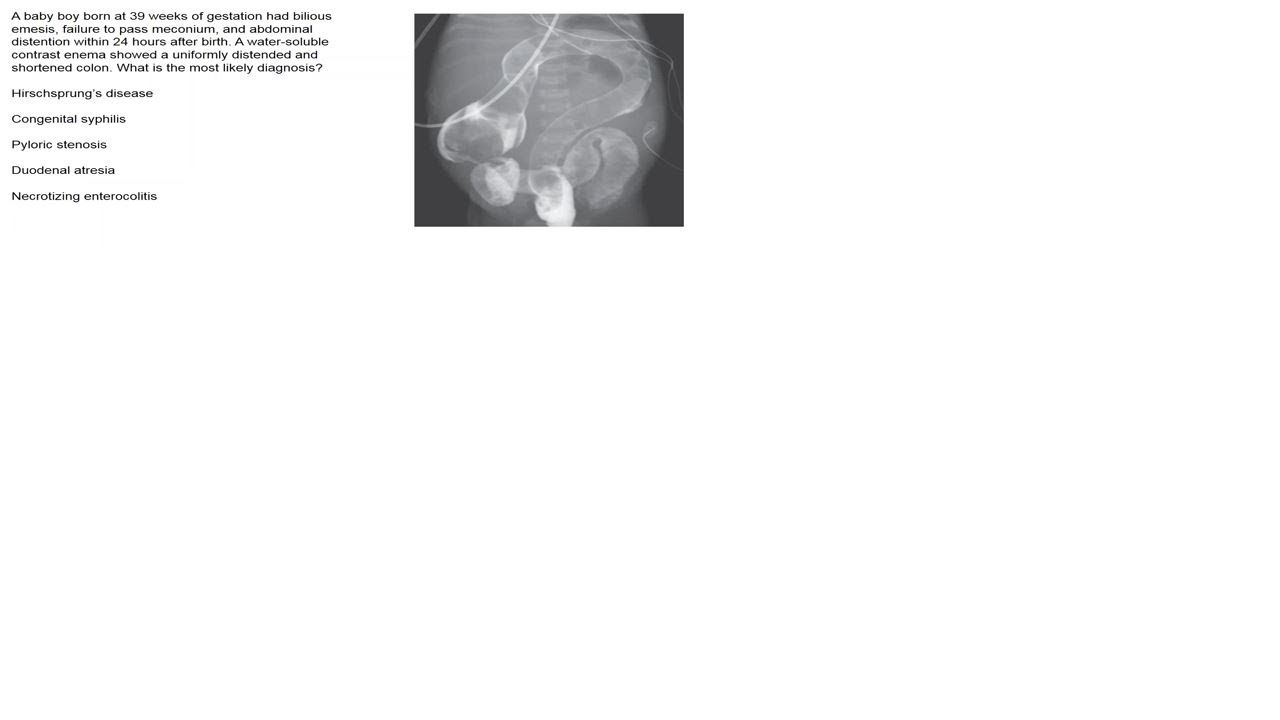
The N Engl J Med image of the week concerns a baby boy born at 39 weeks of gestation who had bilious emesis, failure to pass meconium, and abdominal distention within 24 hours after birth. A water-soluble contrast enema showed a uniformly distended and shortened colon. What is the most likely diagnosis? You are offered Hirschsprung’s disease, Congenital syphilis, Pyloric stenosis, Duodenal atresia, Necrotizing enterocolitis. We review the possibilities. Infections after placement of cardiac implantable electronic devices (CIEDs) are associated with substantial morbidity and mortality. There is limited evidence on prophylactic strategies, other than the use of preoperative antibiotics, to prevent such infections. Investigators conducted a randomized, controlled clinical trial to assess the safety and efficacy of an absorbable, antibiotic-eluting envelope in reducing the incidence of infection associated with CIED implantations. Patients who were undergoing a CIED pocket revision, generator replacement, or system upgrade or an initial implantation of a cardiac resynchronization therapy defibrillator were randomly assigned, in a 1:1 ratio, to receive the envelope or not. Standard-of-care strategies to prevent infection were used in all patients. The primary end point was infection resulting in system extraction or revision, long-term antibiotic therapy with infection recurrence, or death, within 12 months after the CIED implantation procedure. The secondary end point for safety was procedure-related or system-related complications within 12 months. The WRAP-IT study suggests that the envelope provides some protection against infection. Cryptogenic strokes (where we have no idea where the stroke came from or why) constitute 20 to 30% of ischemic strokes, and most cryptogenic strokes are considered to be embolic and of undetermined source. An earlier randomized trial showed that rivaroxaban was no more effective than aspirin in preventing recurrent stroke after a presumed embolic stroke from an undetermined source. Whether dabigatran would be effective in preventing recurrent strokes after this type of stroke is unclear. Investigators conducted a multicenter, randomized, double-blind trial of dabigatran at a dose of 150 mg or 110 mg twice daily as compared with aspirin at a dose of 100 mg once daily in patients who had had an embolic stroke of undetermined source. The primary outcome was recurrent stroke. The primary safety outcome was major bleeding. Dabigatran was no better than aspirin according to this study. In the context of kidney transplantation, genomic incompatibilities between donor and recipient may lead to allosensitization against new antigens. Investigators hypothesized that recessive inheritance of gene-disrupting variants (missing a piece, ie a small deletion) may represent a risk factor for allograft rejection. They performed a two-stage genetic association study of kidney allograft rejection. In the first stage, they conducted a recessive association screen of 50 common gene-intersecting deletion polymorphisms in a cohort of kidney transplant recipients...

Комментарии

Информация по комментариям в разработке

Похожие видео

  • О нас
  • Контакты
  • Отказ от ответственности - Disclaimer
  • Условия использования сайта - TOS
  • Политика конфиденциальности

video2dn Copyright © 2023 - 2025

Контакты для правообладателей [email protected]