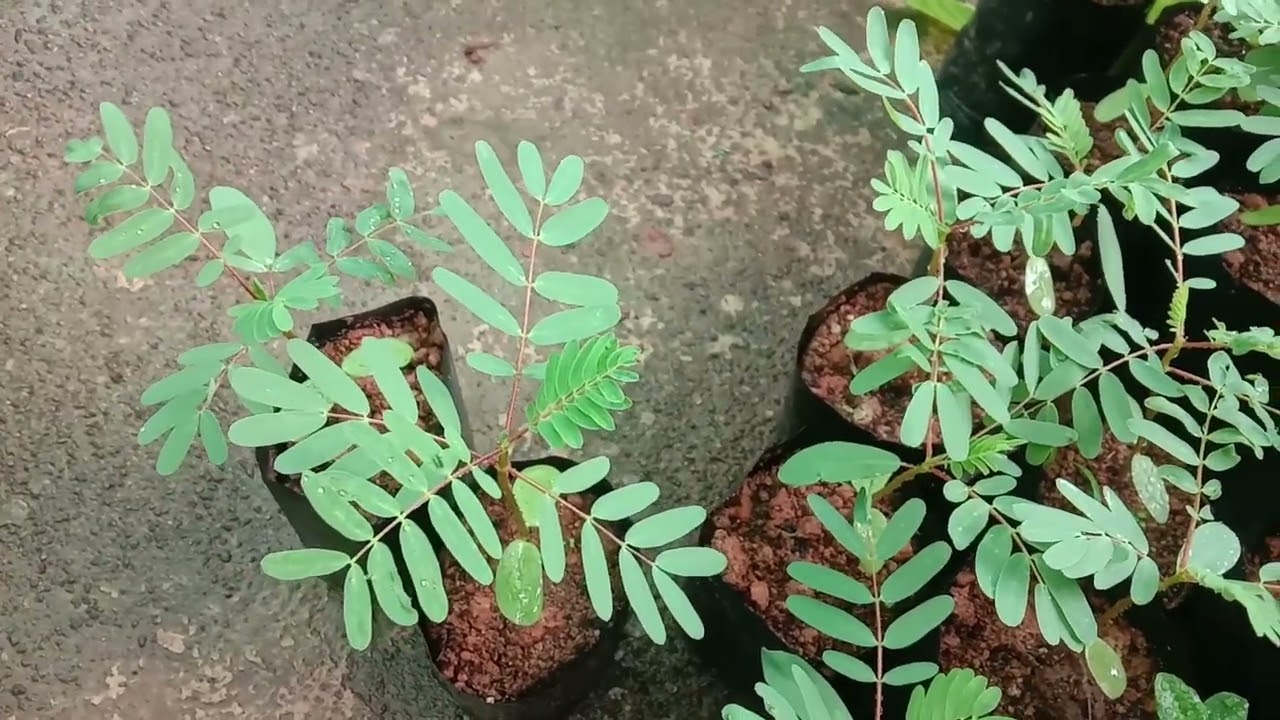
Sesbania grandiflora, commonly known as vegetable hummingbird, katurai, agati, or Agati Cheera, Agathi Keerai, West Indian pea, is a small leguminous tree native to Maritime Southeast Asia and Northern Australia. It has edible flowers and leaves commonly eaten in Southeast Asia and South Asia.
In India, this plant is known as அகத்தி (Tamil), hadga (हादगा in Marathi), agasti (Odia), agasey (Kannada), అవిసె (Telugu), and both the leaves and the flowers have culinary uses. It is known as Bok phool (বকফুল) in West Bengal, India and Bangladesh, and is eaten after being fried with gram paste.
Sesbania grandiflora is a fast-growing tree. The leaves are regular and rounded and the flowers white, red or pink. The fruits look like flat, long, thin green beans. The tree thrives under full exposure to sunshine and is extremely frost sensitive.
It is a small soft wooded tree up to 3–8 m (10–26 ft) tall. Leaves are 15–30 cm (6–12 in) long, with leaflets in 10–20 pairs or more and an odd one. Flowers are oblong, 1.5–10 cm (1–4 in) long in lax, with two to four flower racemes. The calyx is campanulate and shallowly two-lipped. Pods are slender, falcate or straight, and 30–45 cm (12–18 in) long, with a thick suture and approximately 30 seeds 8 mm (0.3 in) in size.
The leaf extract may inhibit the formation of advanced glycation end-products. The leaf extract contains linolenic acid and aspartic acid, which were found to be the major compounds responsible for the anti-glycation potential of the leaf extract.
Culinary uses
The flowers of S. grandiflora are eaten as a vegetable in Southeast Asia and South Asia, including Java and Lombok in Indonesia, the Ilocos Region of the Philippines, Vietnam, Laos, and Thailand.
In Khmer language, the flowers are called ផ្កាអង្គាដី (angkea dei) and young leaves and flowers are used in the cuisine both cooked in curries, such as Samlor mchou angkea dei and salad sauce bok amproek or toek kroeung.
In the Thai language, the flowers are called ดอกแค (dok khae) and are used in the cuisine both cooked in curries, such as kaeng som and kaeng khae, and raw or blanched with nam phrik.
The young pods are also eaten. In Sri Lanka, agati leaves, known as Katuru murunga in Sinhala language, are sometimes added to sudhu hodhi or white curry, a widely eaten, thin coconut gravy. It is also eaten in the Maldives (locally known as Feeru Muran'ga, ފީރު މުރަނގަ).
Информация по комментариям в разработке