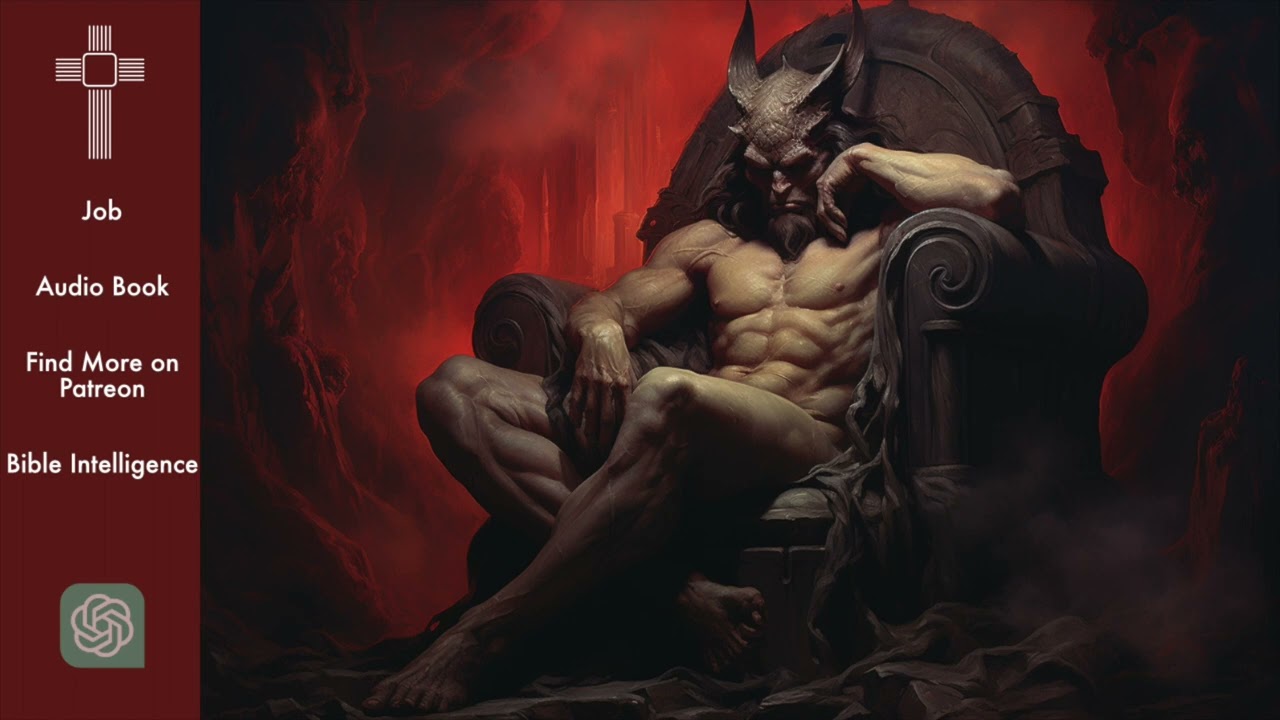
The story of Job, a central figure in the Bible, is a profound narrative exploring themes of faith, suffering, and divine justice. Job, a wealthy and righteous man, lives a prosperous life, blessed with a large family and abundant wealth. His faith in God is unwavering, making him a target for Satan's challenge to God. Satan argues that Job's faith is solely due to his blessed life and contends that if his fortunes were reversed, he would surely curse God.
God permits Satan to test Job, leading to a series of calamities that strip Job of his wealth, children, and health. Yet, in the face of overwhelming loss and physical suffering, Job refuses to curse God, although he struggles to understand the reasons for his suffering. His friends visit, offering their perspectives on his misfortunes, often suggesting that his suffering is a punishment for sin. Job, however, maintains his innocence and his faith, though he questions God's justice.
In a dramatic turn, God finally responds, speaking out of a whirlwind. God's response is not a direct answer to Job's questions but rather a reminder of the vastness of divine wisdom and the limited scope of human understanding. God's speech, filled with references to the wonders of creation, underscores the idea that human beings cannot always grasp the divine plan.
In the end, Job's faith and patience are rewarded. God restores his fortunes, giving him even greater wealth than before, along with a new family. The story concludes with Job living a long and fulfilling life, having passed through his trials with his faith not only intact but deepened. The Book of Job, with its rich poetic language and deep philosophical questions, continues to inspire and challenge readers with its timeless exploration of the nature of faith and the human condition in the face of suffering.
Discover more:
/ bibleintelligence
Информация по комментариям в разработке