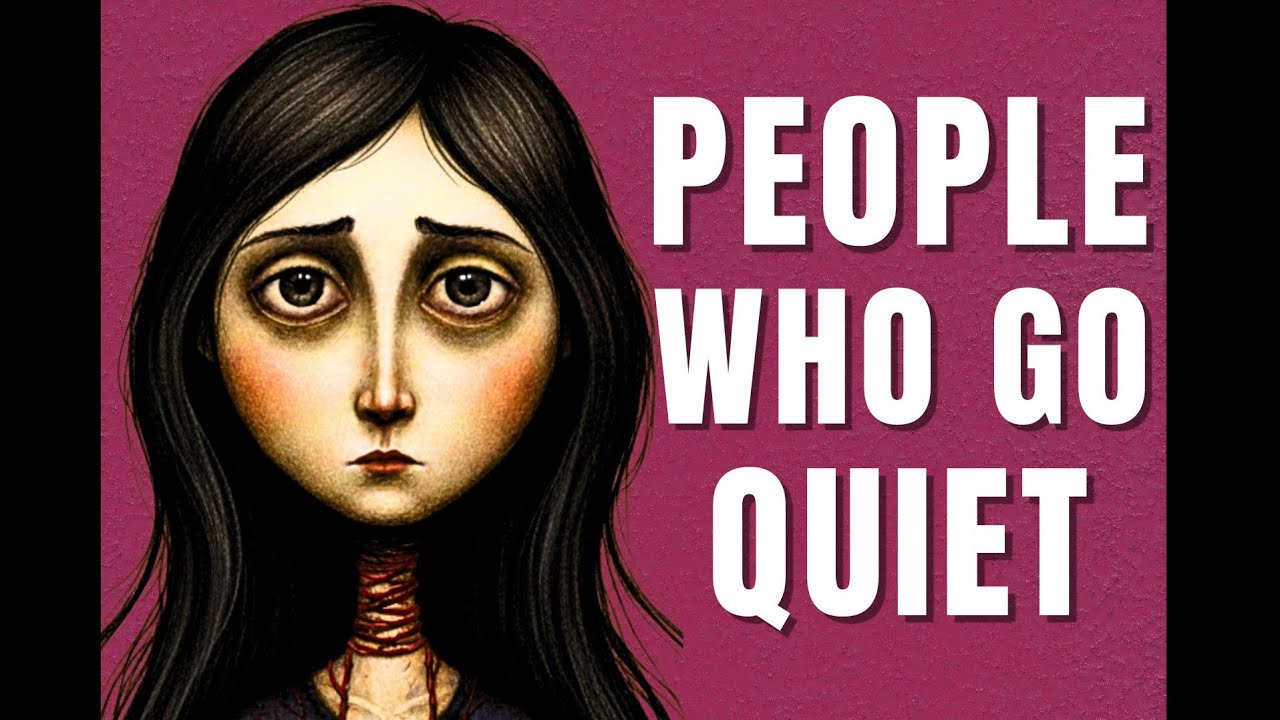
Psychology of people who go quiet after being hurt. This video explores why emotional withdrawal isn’t coldness, avoidance, or “shutting down,” but a natural nervous system response after repeated emotional pain. When someone has been misunderstood, dismissed, or emotionally overexposed too many times, silence becomes a form of protection. This is about adaptation, boundaries, and learning when not everyone deserves full access to you.
You’ll learn what actually happens in the brain and body when trust is broken repeatedly, including nervous system recalibration, threat detection, and why people stop over-explaining, stop initiating, and become more selective with emotional energy. If you’ve noticed yourself replying less, pulling back without drama, or feeling more comfortable being misunderstood, this video explains why—and why it isn’t bitterness or weakness.
This video is for anyone who’s been told they’ve “changed,” “become distant,” or “built walls,” when in reality they’ve learned discernment. Healing doesn’t always look like openness again. Sometimes it looks like quiet confidence, fewer explanations, and stronger boundaries. Going quiet after being hurt isn’t giving up—it’s waking up.
Timestamps:
00:00 When Silence Becomes Safer Than Speaking
01:23 The Subtle Signs You’ve Started Pulling Back
05:19 Why Emotional Hurt Changes Your Nervous System
08:07 What Healing Looks Like After You Stop Over-Giving
12:49 When Going Quiet Becomes Self-Respect
#Psychology, #EmotionalHealing, #EmotionalBoundaries, #NervousSystem, #TraumaResponse, #EmotionalWithdrawal, #SelfProtection, #MentalHealthAwareness, #HealingJourney, #personalgrowth
Disclaimer: This content is for educational and informational purposes only and is not a substitute for professional psychological, medical, or therapeutic advice.
Информация по комментариям в разработке