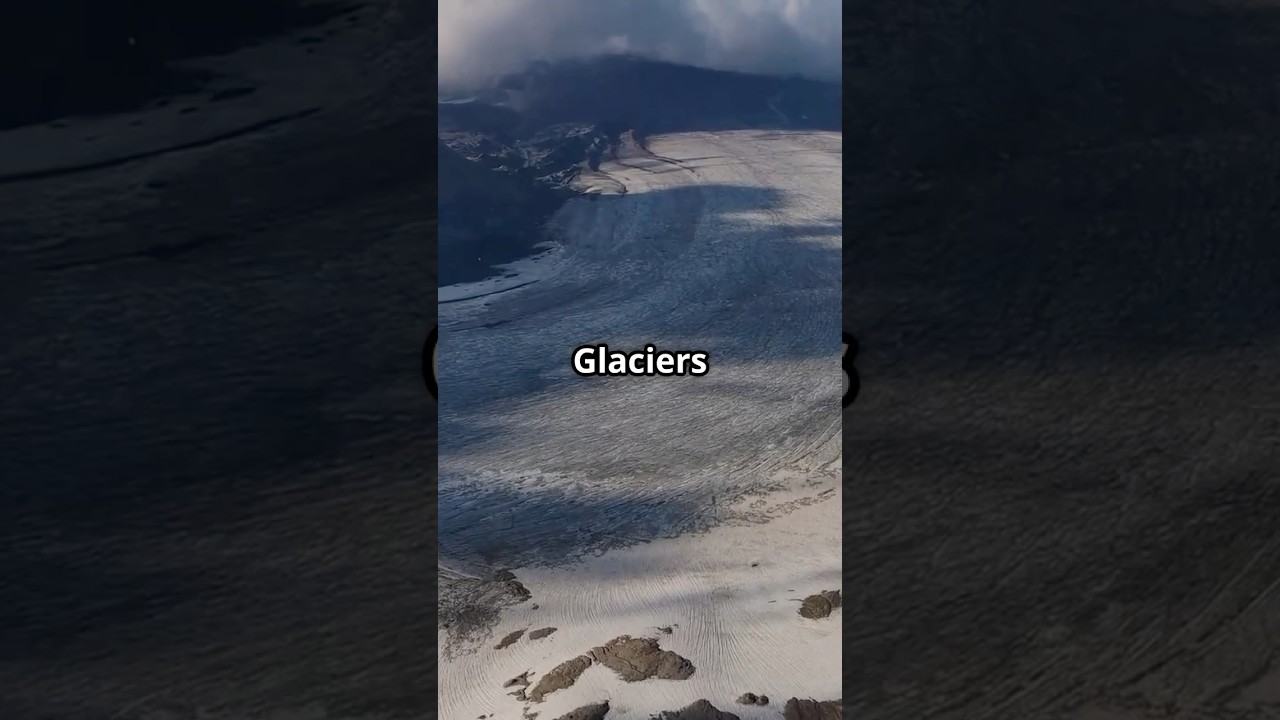
Uncover the secrets of glacier-born gold in this captivating YouTube Short! 🌨️✨ Glaciers once sculpted valleys, dragging precious gold along the way. As they melted, they scattered this treasure across moraines and glacial tills, hiding chunky nuggets and coarse placer in loose gravel beneath the surface. 🏔️🔍
In this brief journey, learn where to look: flat valleys, U-shaped troughs, and boulder-strewn soil—ancient gold catchers just waiting to be explored. Dig test pits, pan for color, and follow the trail left by the ice. The adventure of finding glacier-born gold is just beginning!
Module 1: Glacial Washes and Gold Transport
Gold doesn’t just flow with rivers—it rides the ice. Glaciers are one of the most powerful geologic forces to ever move gold across the landscape, and if you understand how they work, you can still tap into forgotten deposits left behind during the last Ice Age.
In this module, we explore how glaciers crushed bedrock, mobilized gold, and distributed it through unique formations like moraines, tills, and outwash plains. Understanding these glacial wash features gives you a massive edge when prospecting in the northern U.S., Canada, or anywhere that experienced glacial coverage.
So how does it work?
As glaciers advanced, they plucked and scraped rock from the mountainsides, often pulling gold-bearing quartz veins with them. This material was ground into a mix of angular rock, clay, and silt—a formation known as glacial till. Gold became part of this mix, dragged for miles and deposited when the ice began to retreat.
These gold-charged tills were then dropped in long, winding ridges called moraines or scattered across outwash plains. Moraines are made of unsorted glacial debris, which can include coarse placer gold trapped among larger cobbles. Outwash plains form when meltwater rushes away from a glacier, sorting lighter material and concentrating heavy gold in depressions and gravel beds.
Here’s what to look for:
• U-shaped valleys: Classic glacial terrain with wide, flat bottoms and steep walls.
• Kettle ponds and outwash flats: These areas may hide settled gravels where gold has dropped out over time.
• End and terminal moraines: Especially promising when located near known gold-bearing regions upstream.
Unlike river gold, which tends to migrate downstream, glacial gold can appear seemingly at random. That’s because ice doesn’t flow like water—it bulldozes. Gold-bearing material might be hundreds of miles from its lode source, dropped where the glacier stopped or changed direction.
The key to success is sampling.
Start with broad test pans across glacial tills. Don’t expect visible gold in every scoop, but look for black sands, garnets, or magnetite as indicators. When you find a hotspot—dig deeper. Glacial gold often lies below layers of clay or silt, resting on buried hardpan or compacted till.
In some areas, especially the Midwest and Great Lakes states, glacial gold might be small or flour-sized. But in others—like Montana, British Columbia, or parts of New England—chunks of glacial placer have been recovered weighing over an ounce.
Your best friends in the field are:
• Shovels & test pans: For deep pit digging in gravel beds.
• Classifiers & sluice boxes: Especially helpful where water is present.
• Geological maps: Look for glacial advance lines, moraine locations, and known till zones.
If you’re working dry areas, use a drywasher or metal detector—just be aware that mineralized glacial soils can give false positives, so dig every signal and test carefully.
One huge benefit of glacier-born gold is accessibility. These deposits often lie in flat or gently sloping terrain, making them easier to reach than hard-rock lode systems or steep creek drainages. And since most glacial placer isn’t worked out, you’re often the first prospector to test that land in decades—if ever.
Gold may have taken a wild ride on a river of ice, but it didn’t vanish. It just settled where the meltwater left it. If you can read glacial terrain and understand its flow, you can read where the gold went too.
Like and share this video, and don't forget to explore the beauty of nature’s hidden treasures!
#GoldHunting #GlacierGold #TreasureHunt #NatureAdventure #MiningHistory #aigoldmap

Информация по комментариям в разработке