Logo video2dn
  • Сохранить видео с ютуба
  • Категории
    • Музыка
    • Кино и Анимация
    • Автомобили
    • Животные
    • Спорт
    • Путешествия
    • Игры
    • Люди и Блоги
    • Юмор
    • Развлечения
    • Новости и Политика
    • Howto и Стиль
    • Diy своими руками
    • Образование
    • Наука и Технологии
    • Некоммерческие Организации
  • О сайте

Скачать или смотреть Ungru lossi varemed / Ungru Castle ruins

  • 1kaks3
  • 2018-04-10
  • 6633
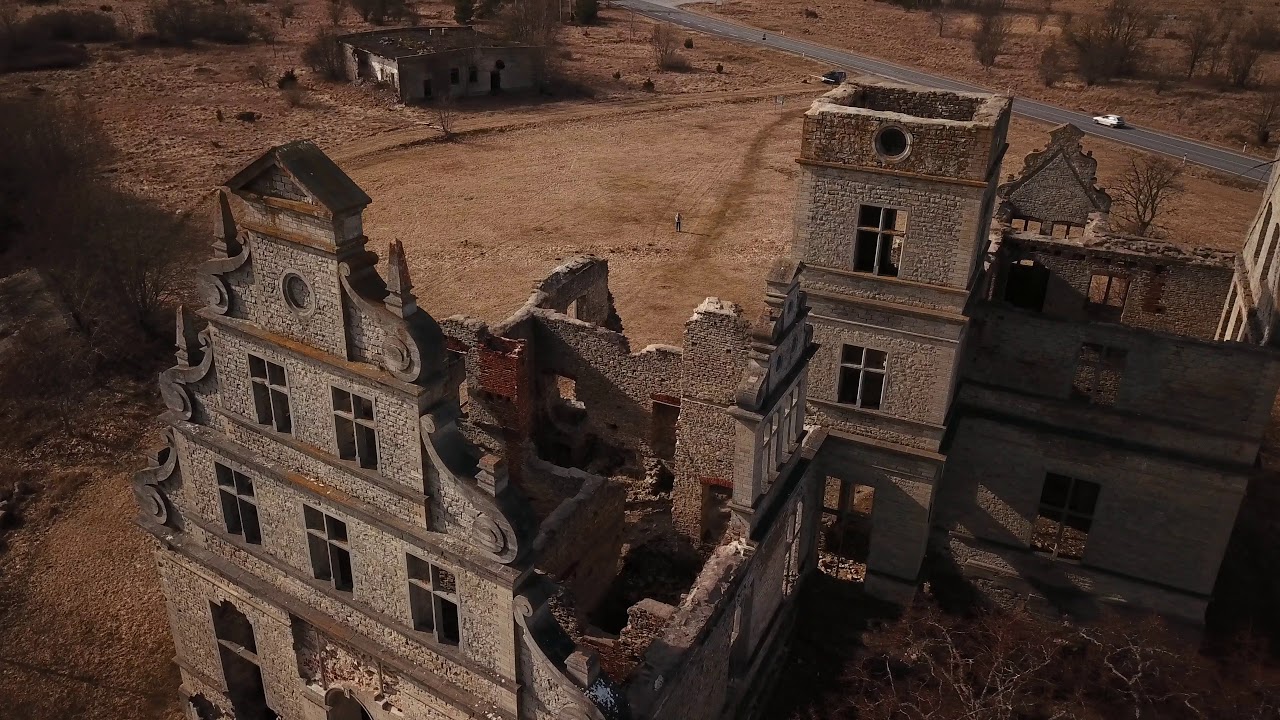
Ungru lossi varemed / Ungru Castle ruins
ReisiportaalReisiportaal.eeVideoteenusVideoteenus.eeUngru lossLäänemaaHaapsaluRohuküla
  • ok logo

Скачать Ungru lossi varemed / Ungru Castle ruins бесплатно в качестве 4к (2к / 1080p)

У нас вы можете скачать бесплатно Ungru lossi varemed / Ungru Castle ruins или посмотреть видео с ютуба в максимальном доступном качестве.

Для скачивания выберите вариант из формы ниже:

  • Информация по загрузке:

Cкачать музыку Ungru lossi varemed / Ungru Castle ruins бесплатно в формате MP3:

Если иконки загрузки не отобразились, ПОЖАЛУЙСТА, НАЖМИТЕ ЗДЕСЬ или обновите страницу
Если у вас возникли трудности с загрузкой, пожалуйста, свяжитесь с нами по контактам, указанным в нижней части страницы.
Спасибо за использование сервиса video2dn.com

Описание к видео Ungru lossi varemed / Ungru Castle ruins

Video: Ivar Soopan / Reisiportaal.ee (https://reisiportaal.ee) / Videoteenus.ee (https://videoteenus.ee)

Ungru manor (in German Linden or Lindenhof) was founded in 1523 when it was separated from Kiltsi manor. In 1629, Swedish king Gustav II Adolf gave the manor to Otto von Ungern-Sternberg as a gift. The first manor house was built in 1630. The baroque building was not as remarkable as the surrounding park that was claimed to have been one of the most beautiful parks in the whole of Estonia. In 1830 Magnus de la Gardie bought the manor. After his death, Evald Ungern-Sternberg bought the manor.
According to rumours, his son, count Ewald Adam Gustav Paul Constantin von Ungern-Sternberg had visited the renaissance style castle of Merseburg in Germany in the beginning of the last decade of the 19th century, where he fell in love with the daughter of the castle s owner. When he proposed to her, the young lady claimed to be so fond of her father s castle that she promised to stay there for the rest of her life. After that the count in love had promised to build exactly the same castle. Having received a promise from the lady to marry him as soon as the castle is ready, the man hurried back home, where in 1893 the construction begun.
In a couple of years the frame of the house and the roof were ready. Interior works took some longer time and they were almost completed when a message arrived informing about the death of the beloved lady. The count himself fell ill in 1908 during a trip to St.Petersburg where he died as well. According to his wish he was brought back to Haapsalu by train and then carried into the manor, where he spent, though already dead, his only night. Later he was buried in Hiiumaa, to his family s burial plase in Korgessaare.
The mansion was left without an owner and it started to dilapidate due to pillages already during World War I. During Soviet times, an airfield was built nearby. In order to find some hidden treasures and get building materials, the local people and the military destroyed this magnificent building step by step. Today s owners have decided to preserve the building as a sightseeing place and take care of its surroundings.

(http://www.aviastar.org/travel/estoni...)
The manor is built from local materials under the supervision of an Estonian master builder A.Saar. E.Schwartz and P.Shubaneyev have been mentioned as architects of the building. The entrance of the building was in the southwestern tower, a staircase led from there to the reception floor with a big ballroom and adjacent play rooms, a dining hall, a wardrobe and salons. The first floor was used for management purposes. The former manor was worth 5 million gold roubles. Some original trees of the manor park have been preserved until today. An oak that is relatively close to the main road is known as Peter s oak. It was supposedly planted by Peter I or according to another legend, he had his meal under that oak. An old arched bridge of limestone has also been preserved on the road going from the manor towards Haapsalu, the park area reached until there. That is the road that goes past the present dumping ground through Paralepa to a bis stone.

Комментарии

Информация по комментариям в разработке

Похожие видео

  • О нас
  • Контакты
  • Отказ от ответственности - Disclaimer
  • Условия использования сайта - TOS
  • Политика конфиденциальности

video2dn Copyright © 2023 - 2025

Контакты для правообладателей [email protected]